In the hushed rhythm of early mornings, when streets seem to breathe gently under the first light of day, another set of numbers quietly climbs — not in dusty ledgers, but in digital charts that map the value of homes across a continent. Like the slow, imperceptible rising of a tide, Australian real estate has been swelling; each tick upward in price a reflection of the hopes, anxieties, and movements of countless families seeking shelter and investment. From cobbled laneways to coastal edges, a new chapter unfolds in the narrative of the nation’s housing landscape.
This year, for the first time in recent memory, six of Australia’s capital cities have reached what analysts call the “million-dollar club,” with median house prices cresting around or above seven figures. What once might have felt like an abstract benchmark — a distant horizon on the property map — is now a lived reality for buyers and sellers alike across major cities. The combined median house price for capital cities has climbed to record levels, propelled by sustained demand, renewed buyer confidence, and the gentle buoyancy of lower interest rates that have persisted in recent seasons.
In Sydney, the landscape of high valuation has long been etched into popular consciousness, its median prices soaring above the million mark with rhythmic consistency. Not far behind, cities such as Brisbane, Adelaide, and Perth have carved out their own places in this elevated club, each responding to local population shifts, economic currents, and the intricate dance of supply and demand. Even Canberra, with its quiet dignity and smaller market scale, now stands among this group of capitals where property values have etched new highs.
Melbourne’s story in this broader tableau carries the soft undertone of a rebound. For several years, the city’s median house price traced a flatter arc, quietly reflecting the ebb and flow of economic changes and buyer activity. But in recent quarters, that arc has gently turned upward again. Where once prices paused, they now move with a renewed momentum — not explosive, but steady — suggesting a thoughtful return to growth that many had hoped for in the heart of Victoria.
Underneath these broad strokes are countless human dimensions: first-time buyers edging carefully onto crowded ladders; long-term homeowners weighing the comfort of equity against the necessity of cashing in; investors observing the dance of numbers with keen interest. The price thresholds are more than figures — they reflect choices, aspirations, and, for some, the bittersweet realities of markets that increasingly favor those already within.
Analysts caution that such elevated valuations come with both opportunity and complexity. While lower borrowing costs and strong employment backdrops have supported demand, challenges like constrained housing supply and broader cost-of-living pressures temper the pace at which some buyers can participate. And as forecasts extend into coming months, the nature of growth may continue its gentle undulations rather than sharp leaps, hinting at a market that balances vigor with caution.
This convergence of capitals into the million-dollar realm is not merely a statistical milestone. It speaks to the broader interplay of human settlement, economic rhythm, and the enduring centrality of home in Australian life. As populations shift, communities evolve, and policy environments respond, the stories written in property prices are, in many ways, reflections of the wider narrative of Australia itself.
As the sun climbs higher over city skylines and suburban rooftops, the conversation around housing continues — gently, reflectively, and with a sense of the shared stake that every household holds in the ground beneath their doorsteps.
Closing Latest data from property reports indicate that median house prices across Australia’s capital cities have reached record highs, with six capitals now at or above the million-dollar median threshold. Sydney, Brisbane, Adelaide, Perth, Canberra, and Melbourne all show elevated values, supported by ongoing demand and favourable borrowing conditions. Melbourne’s housing market, in particular, has shown signs of consistent growth in recent quarters after a period of relative stagnation, contributing to its inclusion in this group. Analysts note that while strong price levels reflect market momentum, affordability pressures and supply constraints remain key factors that could influence future trends.
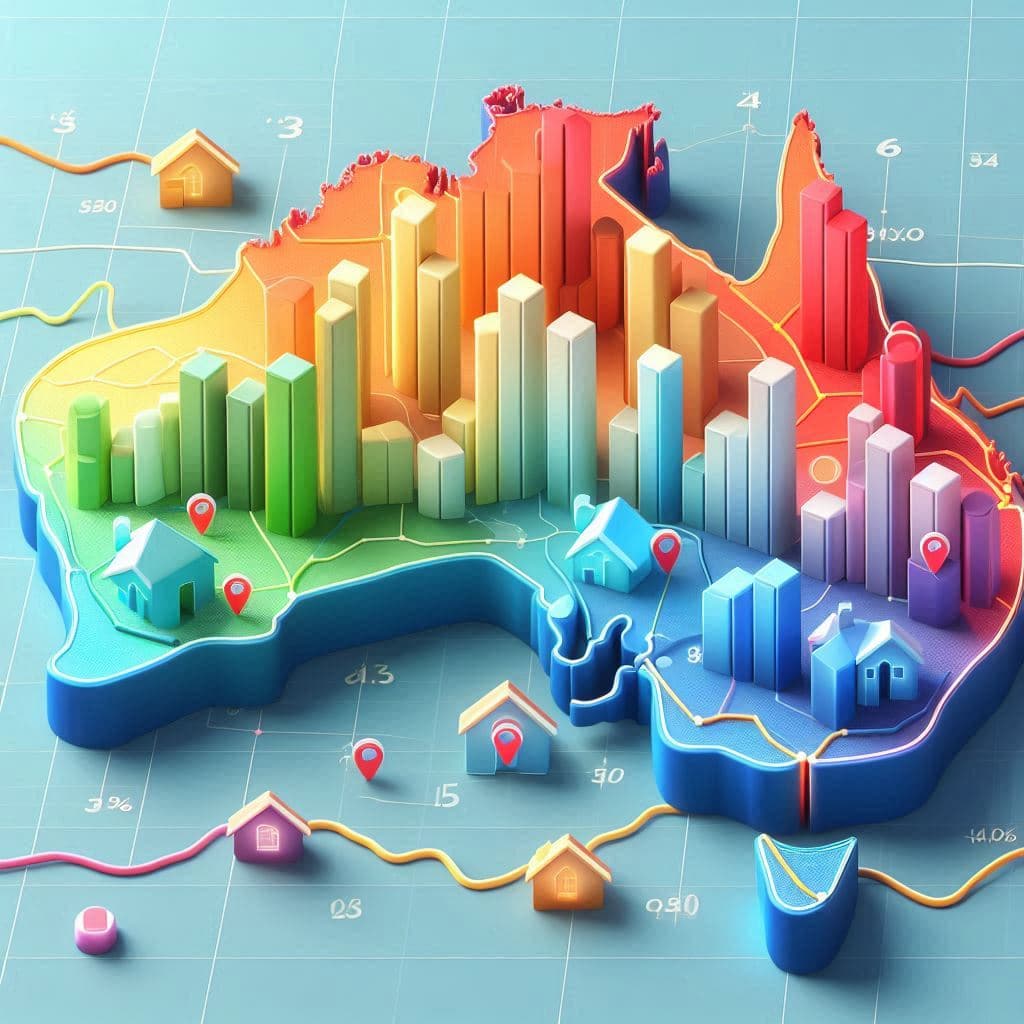
AI Image Disclaimer Graphics are AI-generated and intended for representation, not reality.
SOURCE CHECK — Credible Mainstream/Niche Reports Identified
ABC News – Australian capital cities house price growth, Melbourne recovery noted The Urban Developer – Domain report on house price records across capitals Domain House Price Report data showing record medians Domain national house price record reporting InvestSMART property price forecast context
Published by Banx Network. This article is part of the Banx decentralized media programme, powered by the BXE token on the XRP Ledger.