Key Highlights
- Sinterklaas expresses concern over Christmas changes.
- The holiday's evolution reflects shifting customs.
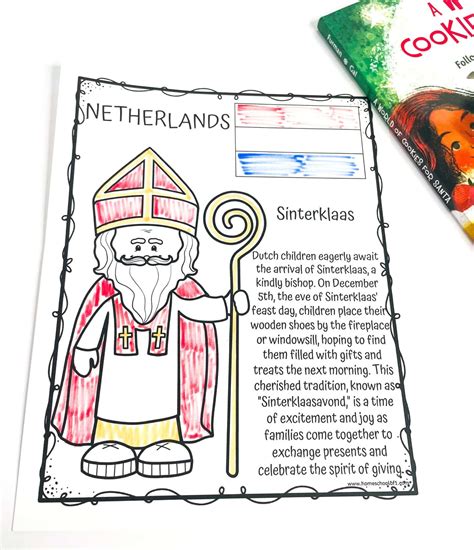
- Sinterklaas is celebrated in early December in the Netherlands.
Sinterklaas, the beloved figure celebrated in the Netherlands and Belgium, has recently made headlines with his critical remarks about the evolution of Christmas celebrations. He stated that the holiday has 'gone off the rails,' suggesting a significant departure from traditional customs and expectations. This statement has sparked discussions about how holiday celebrations have transformed over the years, reflecting broader societal changes.
The tradition of Sinterklaas is deeply rooted in Dutch culture, with festivities typically occurring in early December. This celebration is distinct from Christmas, which takes place later in the month. Sinterklaas, often depicted as a kind and generous figure, is known for bringing gifts to children, a practice that has been celebrated for centuries. However, as Christmas has grown in popularity and commercialism, Sinterklaas's remarks highlight a perceived shift in the essence of holiday celebrations.
While Sinterklaas's comments resonate with many who feel that the commercialization of Christmas has overshadowed its original meaning, the specifics of his critique remain unclear. He did not elaborate on which aspects of Christmas he believes have changed or how these changes impact the spirit of the holiday. This ambiguity leaves room for interpretation and discussion among those who cherish both Sinterklaas and Christmas traditions.
The evolution of holiday celebrations is not unique to the Netherlands. Across the globe, many cultures have witnessed shifts in how they celebrate significant events. The blending of traditions, the influence of globalization, and the rise of consumerism have all played a role in reshaping these celebrations. Sinterklaas's remarks serve as a reminder of the importance of preserving cultural heritage while adapting to contemporary societal norms.
As the holiday season approaches, it will be interesting to see how Sinterklaas's comments influence public discourse about Christmas. Will his critique encourage a return to more traditional celebrations, or will the trend of modernizing holiday customs continue? The conversation surrounding these changes is likely to evolve, reflecting the diverse perspectives of those who celebrate.
In conclusion, Sinterklaas's statement about Christmas highlights a significant cultural discussion about the meaning and essence of holiday celebrations. As traditions continue to adapt, it remains essential to consider the values and customs that define these special times of the year.
Published by Banx Network. This article is part of the Banx decentralized media programme, powered by the BXE token on the XRP Ledger.