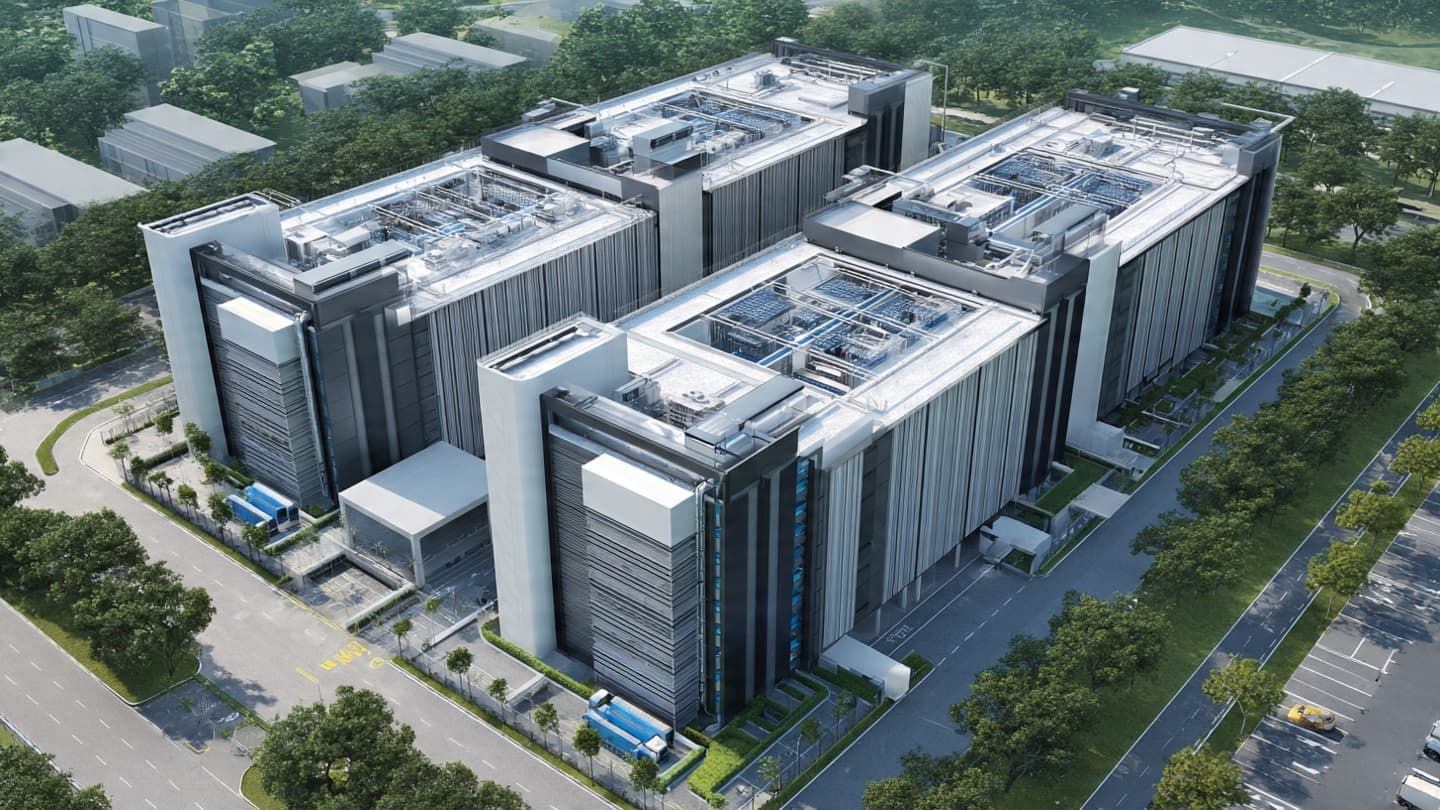
Singapore’s digital economy rests on infrastructure that is mostly invisible to the people who use it. Behind a banking application, an online store, or a cloud-based business system are rows of servers operating continuously. As those facilities become more important, Singapore is preparing a new framework to make their infrastructure more secure, resilient, and efficient.
The Digital Infrastructure Bill introduced in Parliament on September 8 proposes licensing regimes covering data centers and major cloud services. The framework is designed to strengthen the security and resilience of critical digital infrastructure while also addressing the environmental sustainability of data-center operations.
Under the proposed rules, data-center operators with a critical IT load of at least 3 megawatts would need to obtain a license. Initial requirements would include facility-level energy-efficiency standards, including power-usage-effectiveness requirements.
The framework could later expand to cover additional areas such as IT-equipment efficiency and water efficiency. The approach reflects the growing physical demands created by digital infrastructure, particularly as cloud computing and artificial intelligence require larger amounts of computing capacity.
Security is another central element. A separate licensing regime would cover major co-location and cloud data centers with a critical IT load of at least 10 megawatts, as well as major cloud-service providers meeting specified revenue thresholds from Singapore users.
The proposed thresholds are intended to focus regulation on infrastructure whose disruption could have significant effects on Singapore’s economy and society. The framework would be administered by the Infocomm Media Development Authority, bringing critical digital infrastructure more directly into a structured regulatory system.
Singapore currently has around 70 data centers, according to the Ministry of Digital Development and Information, with the government expecting roughly two-thirds to fall within the scope of the two proposed licensing regimes.
The sustainability component is particularly relevant as Singapore has limited land and natural resources. Data centers require electricity and cooling, and their rapid expansion can increase demand on infrastructure. Efficiency therefore becomes part of the broader question of how a compact city-state can support continued digital growth.
At the same time, stronger security requirements reflect the role digital infrastructure now plays across everyday economic life. Banking, communications, commerce, logistics, government services, and business operations increasingly depend on cloud systems and data centers functioning reliably.
Singapore’s proposed framework is consequently an attempt to bring the physical and digital sides of the economy closer together. Data centers may appear distant from ordinary city life, but their energy use, resilience, and security increasingly shape the systems people rely on each day. As the Bill moves through the legislative process, Singapore is preparing to give that hidden infrastructure a more visible place within its economic planning.
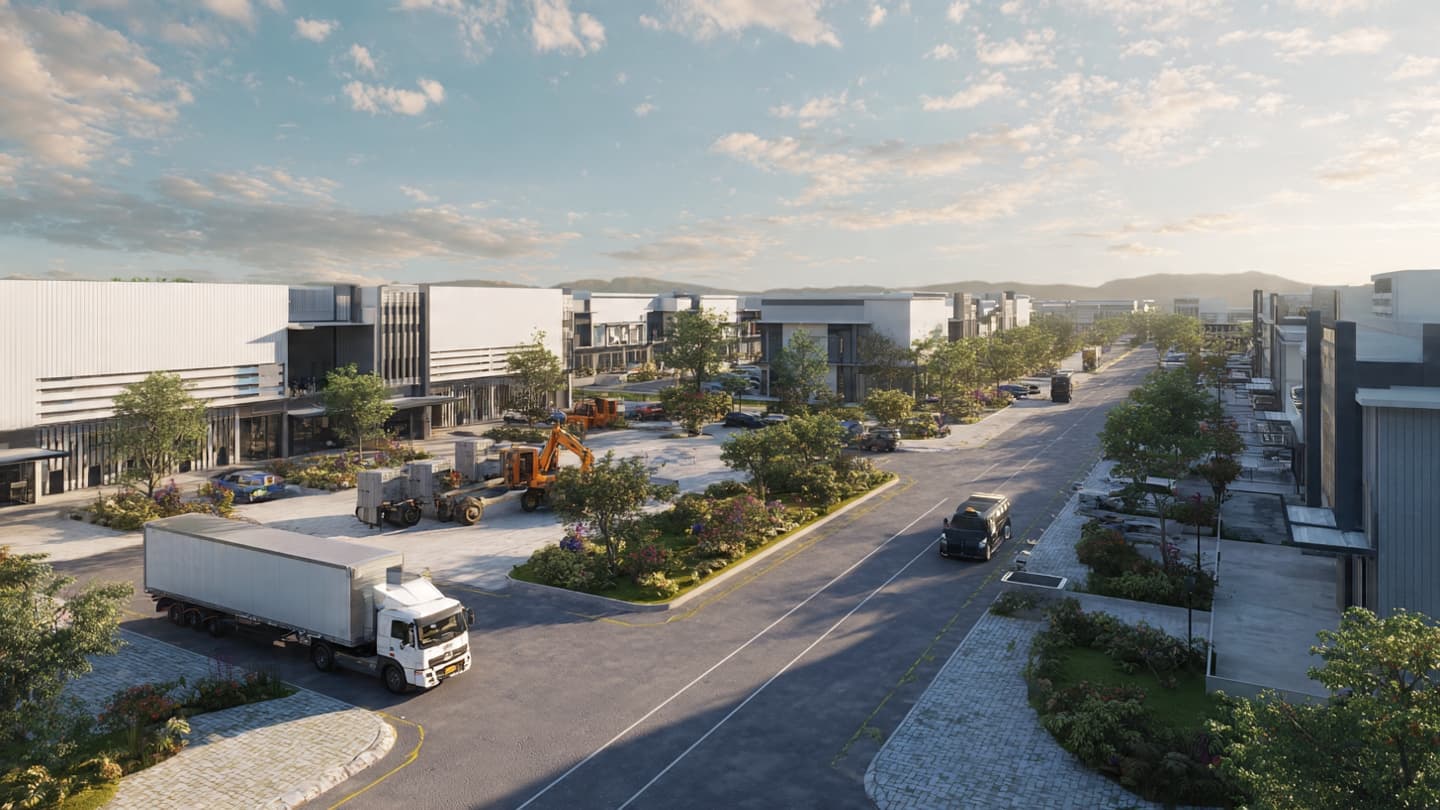
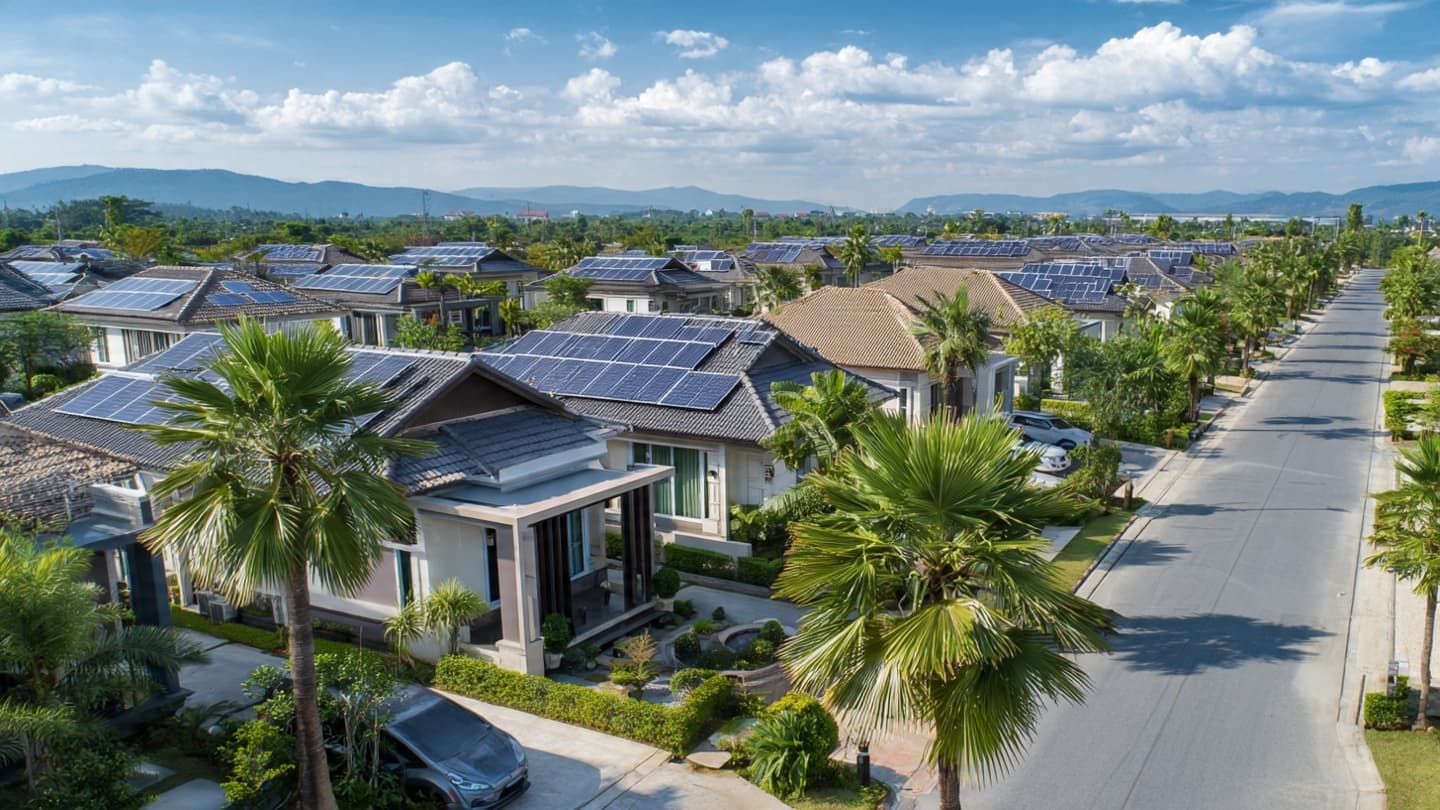
AI Image Disclaimer The images in this article were generated with AI and are conceptual visualizations of Singapore’s digital infrastructure, not photographs of actual data centers.
Sources CNA Ministry of Digital Development and Information Infocomm Media Development Authority
Published by Banx Network. This article is part of the Banx decentralized media programme, powered by the BXE token on the XRP Ledger.