
Key Highlights
- Initiative:Ireland to spearhead EU efforts for ID verification on social media.
- Purpose:Aimed at enhancing online safety and accountability.
- Challenges:Concerns over privacy and data security addressed.
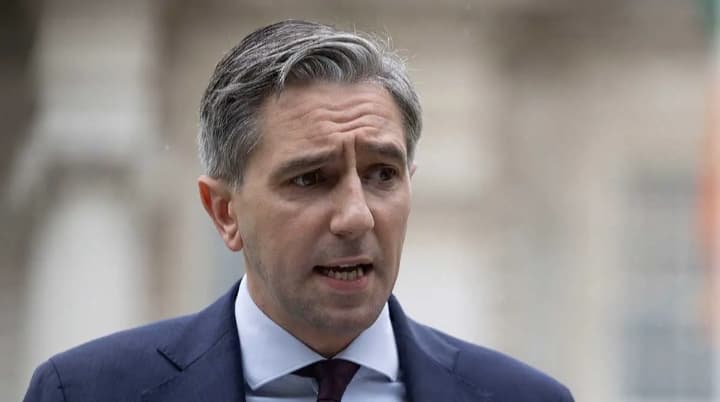
Ireland's Minister for Further and Higher Education, Simon Harris, has announced plans for the country to lead a European Union initiative focused on implementing ID verification for social media platforms. This initiative arises from increasing concerns regarding online safety, misinformation, and the rise of harmful content shared across social media channels.
In a recent press briefing, Harris highlighted the necessity of creating a safer online environment by ensuring users are accountable for their actions. "By requiring ID verification, we can significantly mitigate the risks associated with anonymous accounts that spread misinformation and incite harmful behavior," he stated, underscoring the urgency of the matter.
The proposed framework would mandate that social media companies operating within the EU establish systems to verify the identities of users before they can create accounts. This measure is viewed as a proactive approach to combat issues such as cyberbullying, hate speech, and fraudulent activities that have proliferated in the digital age.
Harris acknowledged the potential challenges that may arise, particularly concerns regarding privacy and data security. However, he reassured the public that appropriate safeguards would be implemented. "We will work closely with tech companies, privacy advocates, and EU member states to ensure that the rights of individuals are protected while enhancing accountability," he affirmed, indicating a balanced approach to the initiative.
The initiative is expected to spark extensive discussions among EU member states as they consider the delicate balance between ensuring online safety and preserving freedom of expression. As Ireland prepares to take the lead on this significant project, the outcomes of this endeavor could set a precedent for social media regulations across the continent, aiming to foster a more responsible online ecosystem.
The implications of this initiative extend beyond Ireland, as it could influence how social media platforms operate within the EU and potentially inspire similar measures in other regions. Stakeholders from various sectors will be closely monitoring the developments, as the results could reshape the landscape of digital communication and user interaction.
As Ireland embarks on this ambitious project, the focus will remain on creating a safer online environment while addressing the complexities of privacy and user rights. The success of this initiative may well determine the future of social media governance in Europe and beyond.
Published by Banx Network. This article is part of the Banx decentralized media programme, powered by the BXE token on the XRP Ledger.



