
Key Highlights
- India aims to expand its AI computing capacity significantly.
- Major investments from Adani Group and Reliance Industries are pledged.
- The initiative focuses on data sovereignty and local infrastructure.
India is on the brink of a technological transformation as it prepares to enhance its artificial intelligence (AI) computing capabilities. At the recent India AI Impact Summit, government officials and industry leaders unveiled ambitious plans to build a robust AI infrastructure that will serve educational institutions, government departments, and small and medium-sized enterprises. This initiative is particularly focused on ensuring that sensitive data remains within India's borders, addressing concerns about data sovereignty and security.
The term "massive AI computing power" reflects the technical requirements necessary for training advanced AI models, which depend on extensive clusters of graphics processing units, high-speed networking, and reliable energy sources. Historically, much of this infrastructure has been dominated by the United States and select East Asian countries. However, India's strategic move to develop its domestic capacity indicates a shift towards self-reliance in AI technology, reducing dependence on foreign cloud services.
Central to this initiative is the concept of local data residency. By keeping data within national boundaries, Indian policymakers aim to enhance regulatory oversight and security. This approach promises dual benefits: access to cutting-edge AI tools for public institutions and startups, and the assurance that sensitive information remains under national jurisdiction.
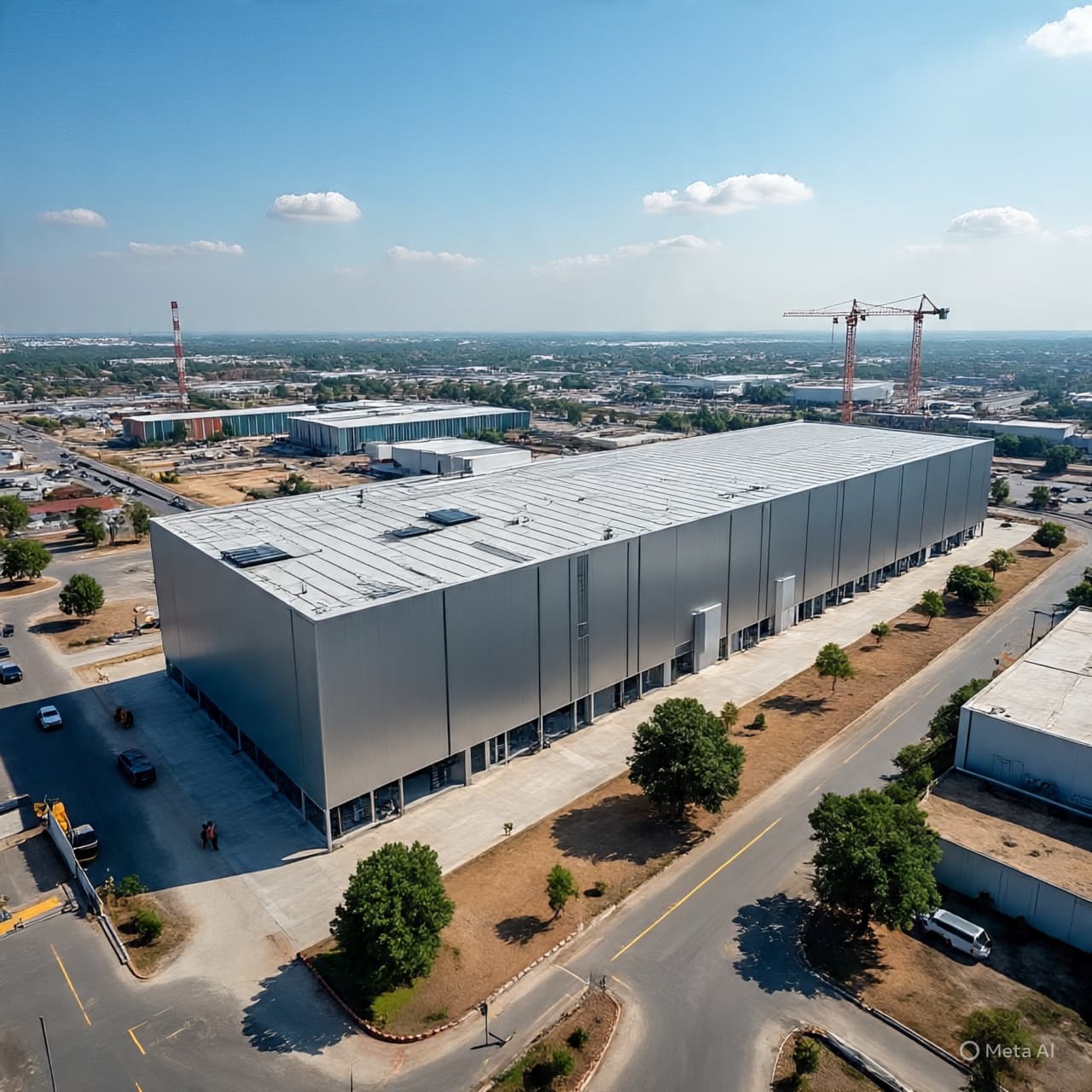
The summit also served as a platform for significant industrial commitments, with representatives from major corporations like Adani Group and Reliance Industries announcing multi-billion dollar investments to expand data center capacities. These facilities, which are essentially large, climate-controlled warehouses filled with servers, are crucial for the functioning of AI ecosystems. Without such infrastructure, the theoretical potential of algorithms cannot be realized.
India's digital landscape has undergone rapid evolution over the past decade, characterized by increased broadband connectivity, a burgeoning startup ecosystem, and government-supported digital identity initiatives. However, the development of AI necessitates a new level of infrastructure, including specialized chips, optimized cooling systems, and resilient power grids. Access to high-performance computing can significantly enhance research capabilities in universities, enabling complex simulations and the development of AI tools tailored to local needs.
For small businesses, the ability to deploy AI services locally could lower barriers to entry and reduce latency, fostering a more inclusive digital economy. However, the expansion of data centers raises practical concerns, particularly regarding sustainability and resource management. The need for substantial electricity and water for cooling systems poses challenges that must be addressed to balance technological ambition with environmental responsibility.
The global race for AI supremacy is intensifying, with nations not only competing for talent and algorithms but also for infrastructure sovereignty. The announcements made at the summit signal a clear intention, though much work remains to be done. Facilities must be constructed, supply chains established, and partnerships formed to realize these ambitious goals. Nevertheless, India's commitment to anchoring its AI future domestically is evident.
In the coming months and years, new data centers will emerge, humming quietly as they process vast amounts of data reflective of India's diverse languages, industries, and institutions. As these servers work tirelessly, India's digital aspirations will transition from mere rhetoric to tangible reality, measured by the sustained computing power that supports its growing AI landscape.
Published by Banx Network. This article is part of the Banx decentralized media programme, powered by the BXE token on the XRP Ledger.



