
Key Highlights
- Global Conference:The 15th Meeting of the Conference of the Parties to the CMS convened in Campo Grande, Brazil.
- Species Under Threat:Snowy owls, giant otters, and hammerhead sharks are among the species discussed for conservation.
- International Cooperation:Delegates are considering legal protections that transcend national boundaries.
The natural world pulses with life, and nowhere is this more evident than in the migratory patterns of animals that traverse vast landscapes and oceans. This week, an international assembly of governments gathered in Campo Grande, Brazil, for the 15th Meeting of the Conference of the Parties to the United Nations Convention on the Conservation of Migratory Species of Wild Animals (CMS). The conference aims to address the urgent need for expanded protections for migratory species facing threats from habitat loss, climate change, and overexploitation.
Among the species under review are the iconic snowy owl, the playful giant otter, and the distinctive hammerhead shark. These animals not only symbolize the beauty of biodiversity but also highlight the fragility of ecosystems that support them. Snowy owls, with their striking white plumage, have seen their populations decline sharply due to changing prey patterns and eroding hunting grounds as climate change alters their Arctic habitat.
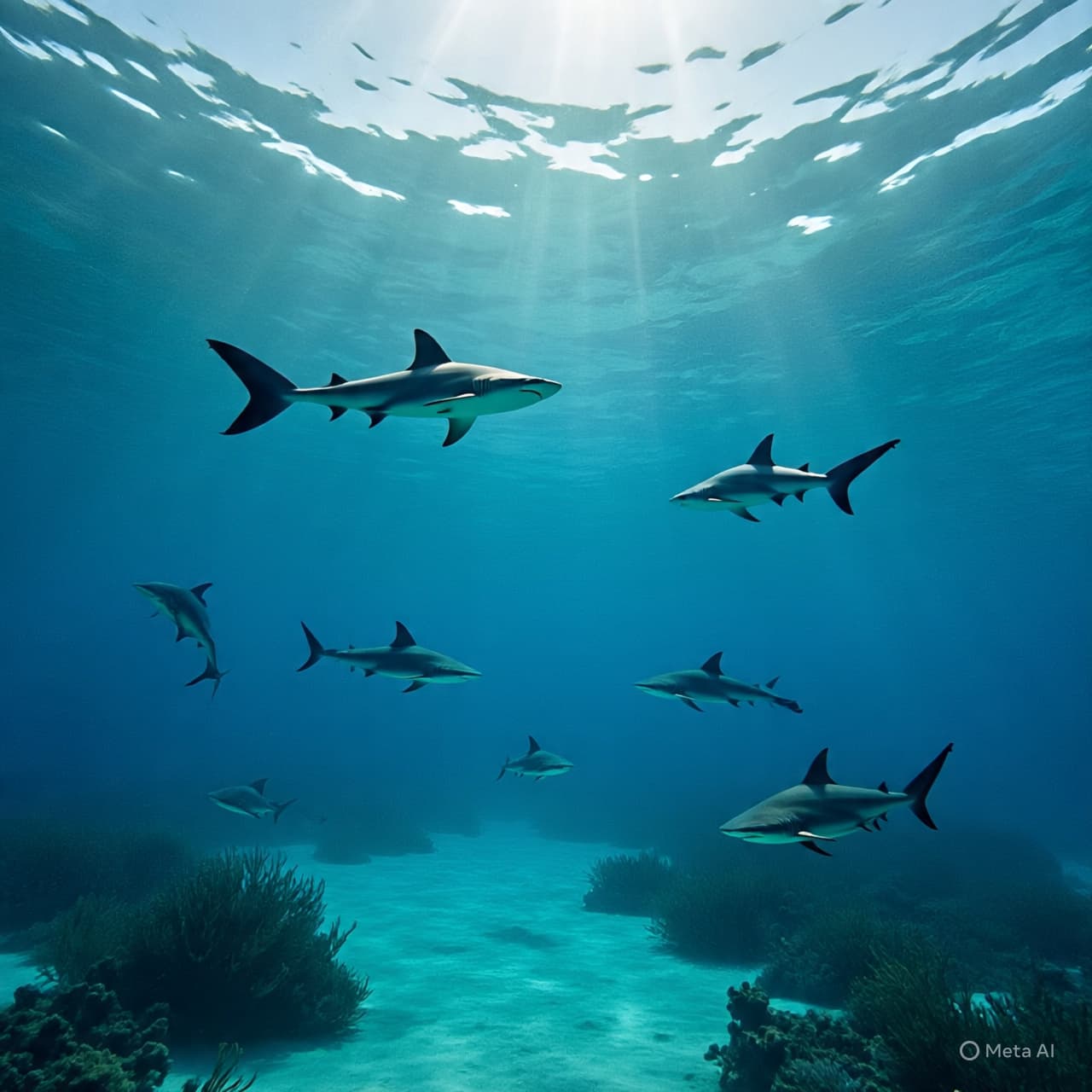
In South America, giant otters play a crucial role in maintaining the health of freshwater ecosystems. However, illegal fishing, pollution, and habitat fragmentation have led to a significant decrease in their numbers. Similarly, hammerhead sharks, known for their unique head shape, are facing one of the steepest declines among large marine predators due to overfishing and the demand for their fins.
The CMS summit represents more than just a gathering of scientists and diplomats; it is a collective effort to safeguard the natural world. Delegates are currently weighing proposals to list these species under the CMS appendices, which would legally bind nations to implement coordinated conservation actions. This acknowledgment of shared responsibility underscores the reality that migratory species do not recognize human-imposed borders, and their survival often hinges on international cooperation.
As discussions unfold in the conference halls, the plight of these animals resonates deeply with delegates. Snowy owls serve as a reminder of the warming Arctic, while giant otters symbolize the intricate web of life in freshwater systems. Hammerhead sharks represent the vast, mysterious oceans that are increasingly vulnerable to human activities.
The outcomes of this conference will have far-reaching implications, not only for the species involved but also for the ecosystems they inhabit. For conservationists and Indigenous communities present, these proposed protections are more than legal frameworks; they embody a commitment to preserving the stories and habitats of these animals. As the sun sets over the Pantanal, the hopes of the CMS delegates travel home with them, echoing the urgent need for empathy and action in safeguarding our planet's shared tapestry of life.
The decisions made in Campo Grande will ripple through the natural world, affecting the calls of birds in northern marshes, the playful splashes of otters in rivers, and the silent movements of sharks in the depths of the sea. The fate of these migratory species hangs in the balance, shaped by the collective will of nations to protect the delicate threads that connect all living beings.
Published by Banx Network. This article is part of the Banx decentralized media programme, powered by the BXE token on the XRP Ledger.



