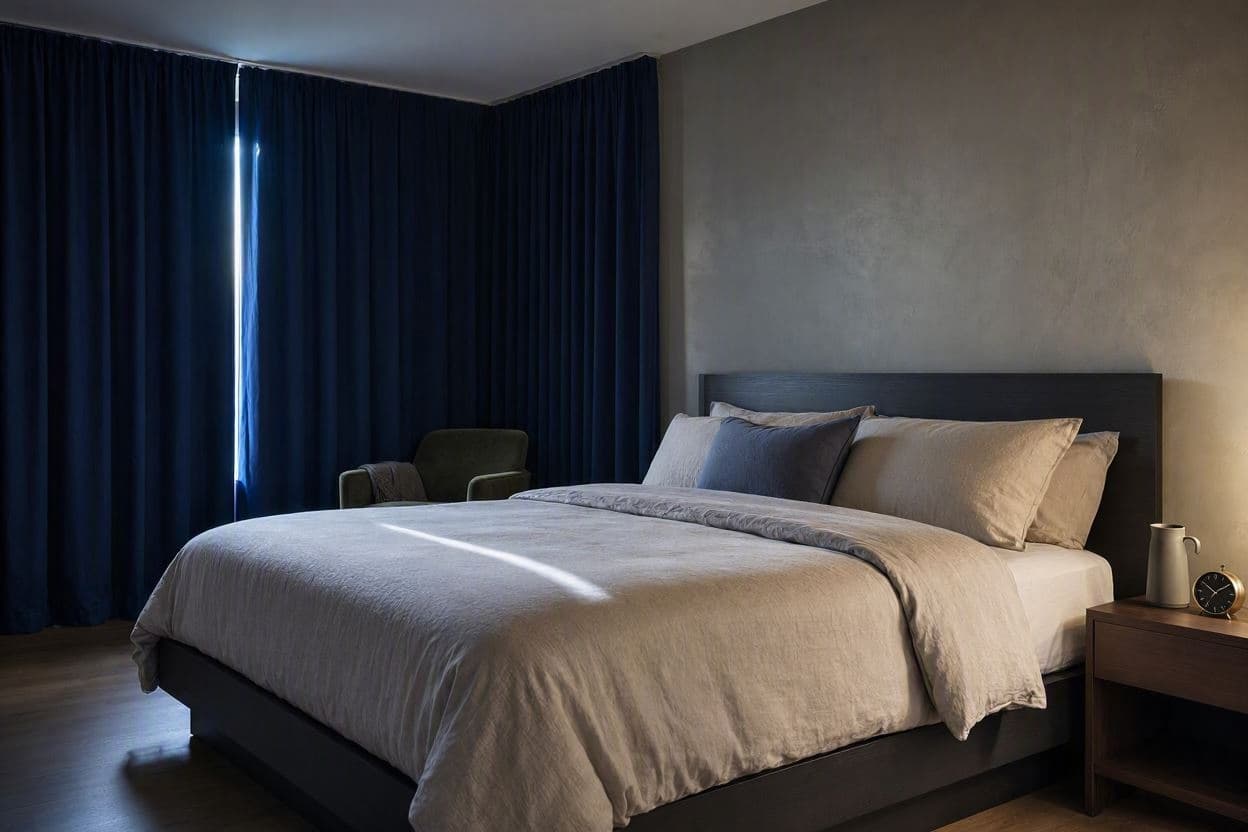
In the quiet sanctity of the night, our bodies seek restoration, guided by the ancient rhythm of darkness and light. Yet, in our modern world, where streetlights glow through curtains and screens emit a persistent blue hue, this natural cycle is often disrupted. Emerging research suggests that exposure to excessive light during sleep may do more than disturb rest; it could potentially harm cardiovascular health, linking our sleeping environment to the well-being of our hearts.
The study highlights the role of melatonin, a hormone regulated by light exposure, which plays a crucial part in maintaining circadian rhythms. When artificial light penetrates the bedroom, it can suppress melatonin production, leading to fragmented sleep and increased stress on the body. Over time, this disruption may contribute to higher blood pressure and inflammation, both of which are risk factors for heart disease. It is a subtle but significant connection between our domestic habits and physiological health.
Researchers analyzed data from thousands of participants, measuring the amount of light exposure during sleep and correlating it with health outcomes. Those who slept in brighter environments showed a higher incidence of cardiovascular issues compared to those who slept in darker rooms. The findings underscore the importance of creating a sleep sanctuary that prioritizes darkness, not just for comfort, but for long-term health preservation.
For many, achieving total darkness is a challenge in urban settings where ambient light is ubiquitous. Blackout curtains, eye masks, and mindful placement of electronic devices are practical steps that can mitigate exposure. These small adjustments serve as protective measures, allowing the body to engage fully in its restorative processes without the interference of external illumination. It is about reclaiming the night as a time of true biological rest.
The implications extend beyond individual habits to broader public health considerations. Urban planning and lighting design could play a role in reducing light pollution, thereby supporting better sleep hygiene for communities. By recognizing light as a potential environmental stressor, we can advocate for solutions that balance safety and visibility with the human need for darkness. It is a collective effort to harmonize modern living with biological needs.
Health experts emphasize that while light exposure is one factor, it interacts with other lifestyle elements such as diet, exercise, and stress management. A holistic approach to heart health includes attention to the sleep environment, ensuring that it supports rather than hinders recovery. This perspective invites us to view sleep not merely as a pause in activity, but as an active period of healing and maintenance.
As awareness grows, individuals are encouraged to assess their own sleeping conditions. Simple changes, such as dimming lights before bed and removing glowing clocks from the bedroom, can make a meaningful difference. The goal is to create a routine that respects the body’s natural cues, fostering a deeper and more restorative sleep experience. It is a gentle reminder to listen to what our bodies need in the silence of the night.
Ultimately, protecting our hearts may begin with something as simple as closing the blinds. By honoring the darkness, we allow our bodies to reset and recharge, reducing the strain on our cardiovascular systems. In a world that never truly sleeps, finding moments of genuine dark rest is an act of self-care that pays dividends in health and vitality.
AI Image Disclaimer: The visual representations in this article are AI-generated interpretations designed to evoke the themes of sleep, darkness, and cardiovascular health, without depicting specific medical conditions or individuals.
Sources: JAMA Network Open, Sleep Foundation, Harvard Health Publishing, American Heart Association
Published by Banx Network. This article is part of the Banx decentralized media programme, powered by the BXE token on the XRP Ledger.