In the quiet corridors of industrial ambition, plans can shift as quickly as market tides. Such is the case for Automotive Cells Company (ACC), the European battery venture backed by Stellantis, Mercedes‑Benz, and TotalEnergies. Once envisioned as a trio of gigafactories powering Europe’s electric future, the Italian and German sites now stand in suspended silence. According to union reports, these projects are being definitively shelved, leaving workers and local communities to navigate the uncertainty that follows.
The Termoli plant in Italy and the Kaiserslautern facility in Germany had already been paused since May 2024, awaiting conditions that might never arrive. ACC confirms that the prerequisites for resuming construction are unlikely to be met, though discussions continue with worker representatives regarding the orderly wind-down of operations. Only the French plant, intended to supply batteries for European EV production, is advancing — a solitary flame amid ambitions dimmed elsewhere.
The decision reflects broader pressures within the European EV and battery sector. Slower-than-anticipated adoption of electric vehicles, alongside rising costs and evolving market dynamics, has tempered the optimism that once drove these projects. ACC’s main shareholder, Stellantis, has faced financial adjustments linked to its EV strategy, illustrating how strategic pivots ripple through industries and communities alike.
Despite these setbacks, the story is not solely one of retreat. Europe’s push for a domestic battery supply chain continues, anchored by ongoing initiatives and the remaining French plant. Yet the shelving of two major sites underscores the fragility of industrial planning in a sector defined by rapid technological change, regulatory shifts, and global market forces. For workers, investors, and policymakers, the challenge remains: how to balance ambition with the pragmatics of an evolving energy landscape.
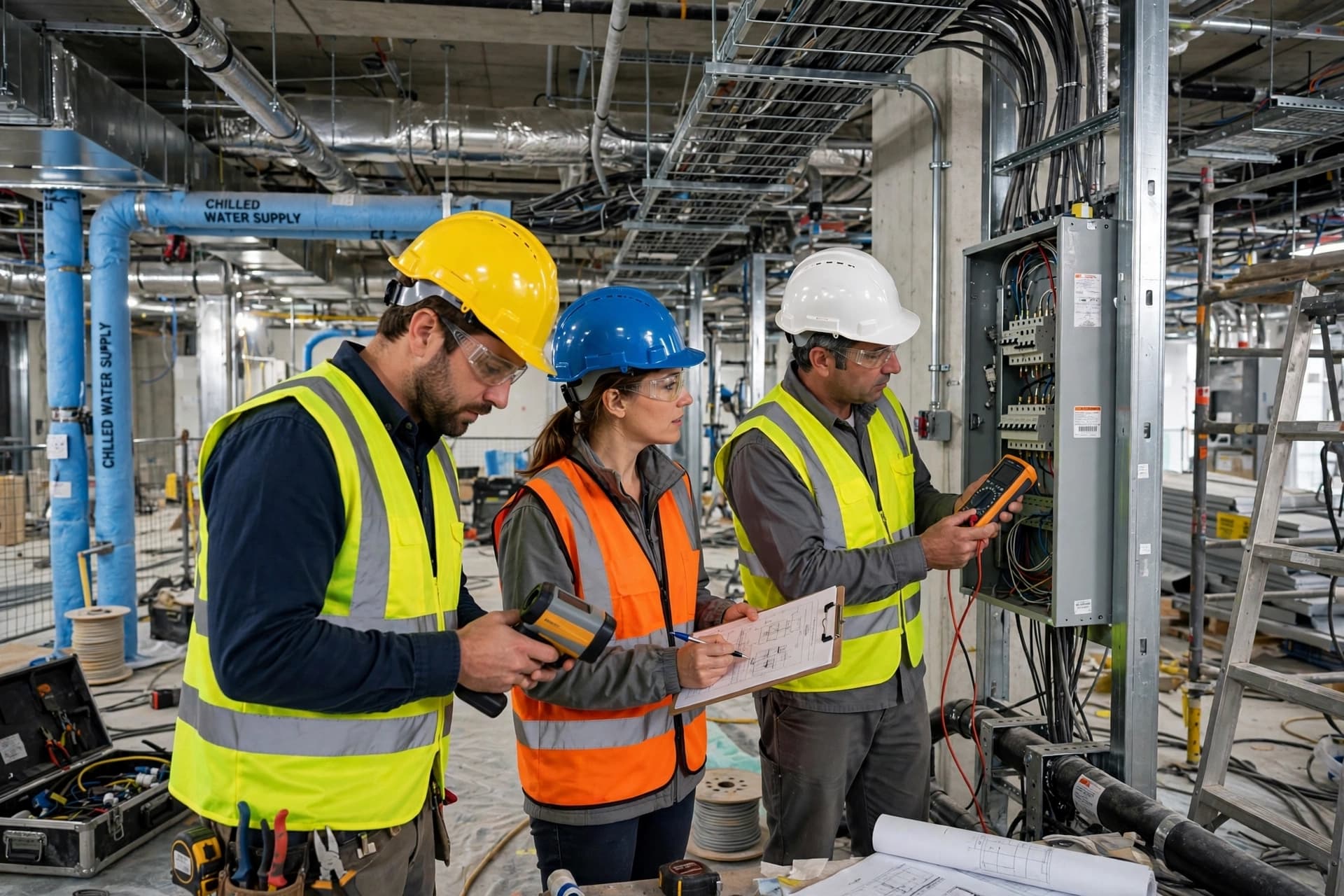
AI Image Disclaimer Illustrations were produced with AI and serve as conceptual depictions, not real photographs.
Sources: Reuters, Journal Chrétien, Die Welt, Euronews, Stellantis Press Release
Published by Banx Network. This article is part of the Banx decentralized media programme, powered by the BXE token on the XRP Ledger.