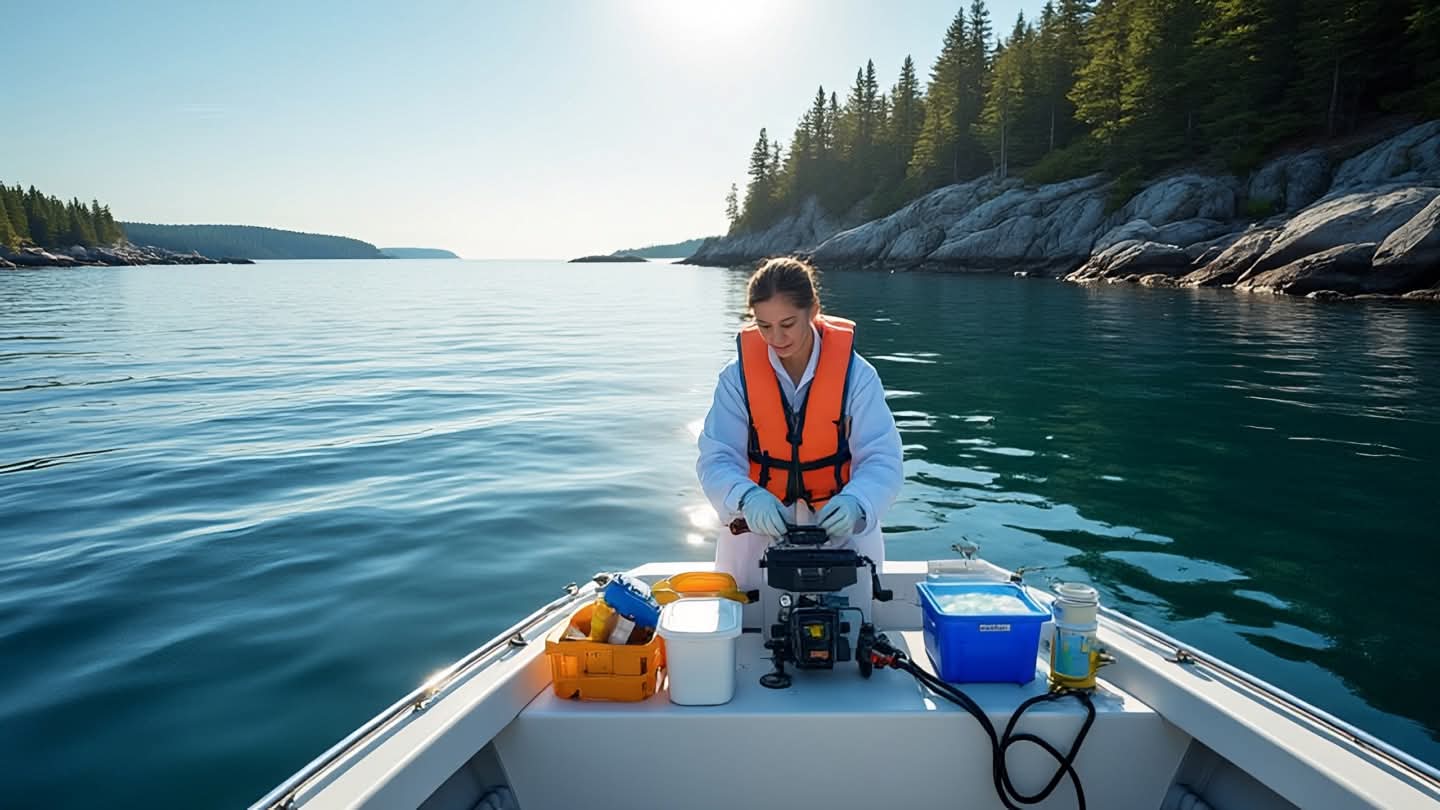
Georgian Bay, with its crystalline waters and rugged granite shores, is a jewel of the Great Lakes. Yet, beneath its serene surface, a subtle but serious threat is being monitored by scientists. Rising water temperatures and changing ecological conditions have created an environment where harmful algae blooms and bacterial pathogens can thrive. This situation invites reflection on the fragility of freshwater ecosystems and the importance of vigilant stewardship. It is a reminder that beauty often masks complexity, and health requires constant attention.
Researchers from various institutions are regularly sampling water to track the presence of cyanobacteria, which can produce toxins harmful to humans and wildlife. These blooms are fueled by nutrient runoff and warmer climates, creating patches of green scum that disrupt the bay’s balance. Warmth encourages growth. Nutrients drive excess.
In addition to algae, scientists are monitoring for bacteria such as Vibrio species, which can cause serious infections in humans. While rare in freshwater, changing conditions may allow these typically marine organisms to persist or spread. Change brings risk. Adaptation is necessary.
The tracking efforts involve both traditional field sampling and advanced remote sensing technologies. Satellites help identify large-scale bloom patterns, while local teams provide ground-truth data. Technology aids observation. Local knowledge validates data.
For local communities and visitors, understanding these risks is crucial for safe recreation. Authorities issue advisories when toxin levels rise, urging caution in swimming and fishing. Awareness protects health. Caution ensures safety.
The ongoing research aims to predict bloom events and identify sources of nutrient pollution. By addressing the root causes, stakeholders hope to preserve the bay’s pristine quality for future generations. Prevention is better than cure. Sustainability is shared duty.
Scientists are monitoring Georgian Bay for harmful algae blooms and bacterial threats driven by warming waters and nutrient runoff. The efforts aim to protect public health and preserve the ecosystem. The hope is for effective management strategies and continued water quality improvement.
AI Image Disclaimer: Visuals associated with this article are AI-generated to illustrate the themes of environmental monitoring and water safety.
Sources: University of Waterloo Ontario Ministry of the Environment CBC News
Published by Banx Network. This article is part of the Banx decentralized media programme, powered by the BXE token on the XRP Ledger.