In the aftermath of an earthquake, the ground may stop shaking, but the challenges for survivors often intensify. In southwestern Japan, where a powerful tremor recently displaced thousands, the summer heat has emerged as a silent but deadly adversary. Tragically, a woman in her 70s was found dead in her car, where she had taken shelter, with authorities citing apparent heat stroke as the cause. This incident underscores the compounded dangers faced by disaster victims, who must navigate not only the immediate destruction but also the harsh environmental conditions that follow.
The earthquake, which struck Kumamoto Prefecture, left many residents without safe housing, forcing them to seek refuge in their vehicles. While cars offer a sense of security and privacy, they can quickly become dangerous traps in high temperatures. Without air conditioning or adequate ventilation, the interior of a parked car can reach lethal levels within minutes, especially during Japan’s sweltering summer months. For the elderly, who are particularly vulnerable to heat-related illnesses, this risk is even greater.
Local officials have raised the death toll from the quake to 36, with heat-related fatalities becoming a significant concern. The woman’s death highlights the urgent need for better support systems for those sleeping in cars. Evacuation centers are often overcrowded or lack sufficient resources, leading some to prefer the isolation of their vehicles. However, this choice comes with hidden dangers that are not always immediately apparent to those in distress.
Emergency response teams are now prioritizing the distribution of water, cooling supplies, and information on heat stroke prevention. Volunteers are checking on vehicles parked in evacuation zones, offering assistance and encouraging people to move to safer, cooler environments. These efforts are crucial in preventing further tragedies, as the heatwave shows no signs of abating.
The incident also draws attention to the broader issue of climate change and its impact on disaster resilience. As extreme weather events become more frequent, the intersection of natural disasters and heatwaves poses a growing threat. Communities must adapt their emergency plans to account for these dual hazards, ensuring that shelters are equipped to handle both structural damage and thermal stress.
For the families of the victim, the loss is compounded by the preventable nature of the tragedy. It serves as a painful reminder of the vulnerabilities that exist even in developed nations with robust disaster response frameworks. The community is rallying around the bereaved, offering condolences and support as they navigate their grief.
Authorities are reviewing protocols for vehicle-based sheltering, considering measures such as designated cooling zones and regular welfare checks. The goal is to balance the desire for privacy and autonomy with the necessity of safety. Education campaigns are also being launched to inform the public about the risks of staying in cars during hot weather.
The death of the woman in Kumamoto is a sobering reminder of the multifaceted challenges of disaster recovery. As Japan continues to cope with the aftermath of the earthquake, protecting survivors from the relentless heat remains a critical priority. Every life lost to heat stroke is a call to action for more comprehensive and compassionate emergency responses.
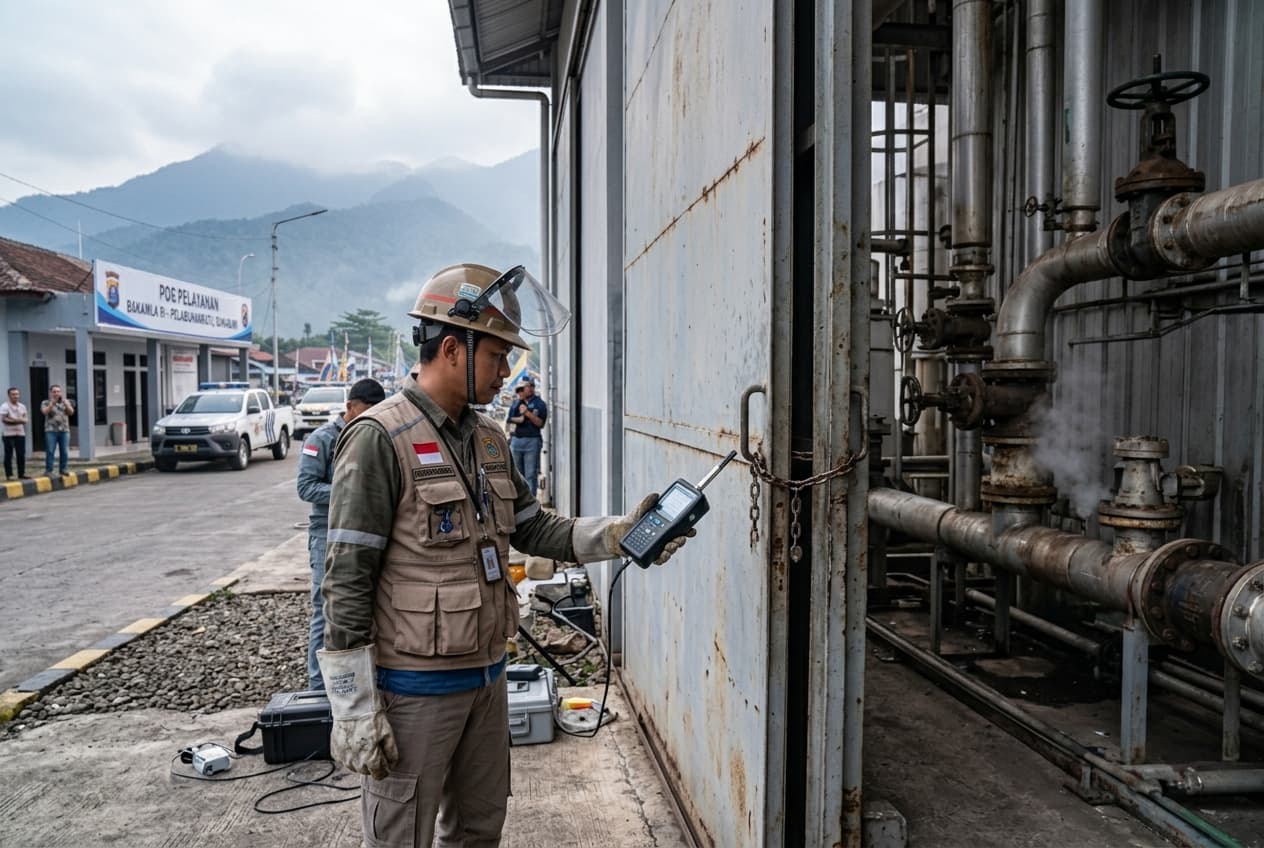
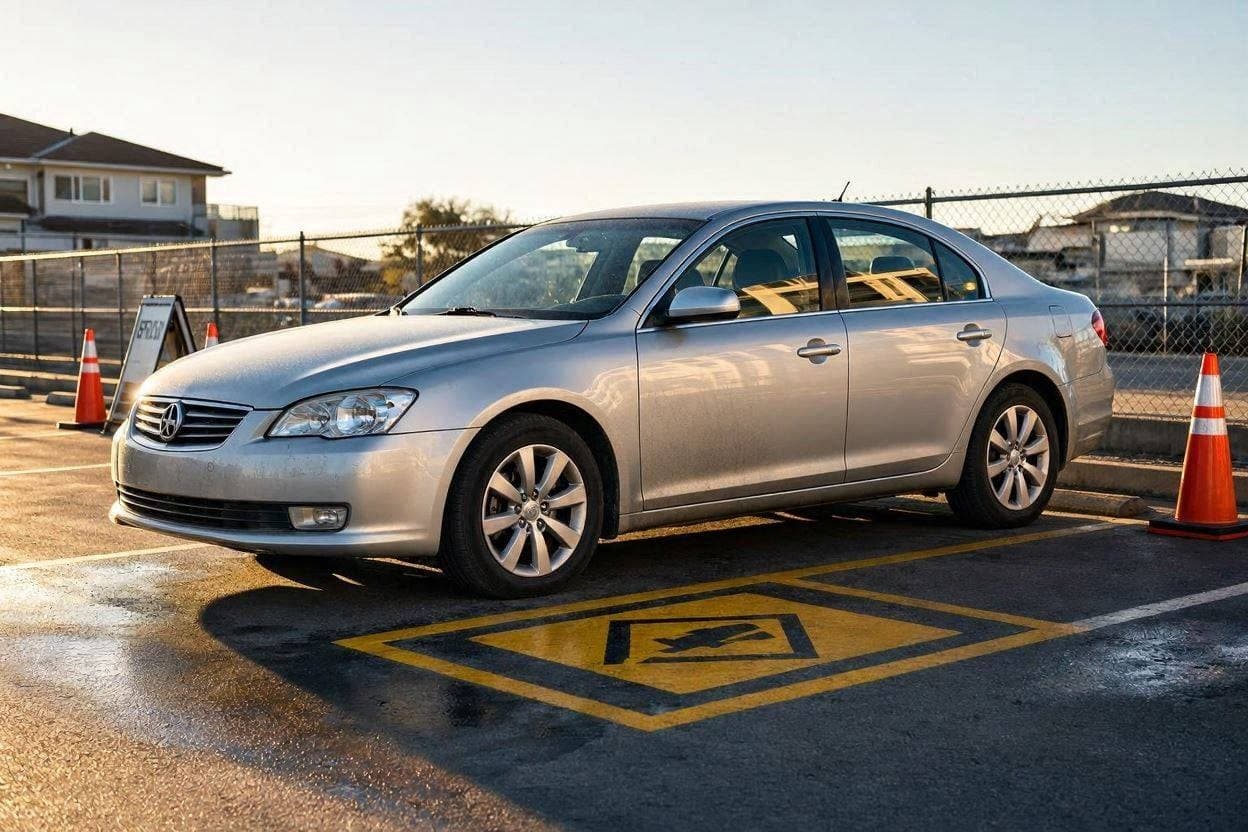
AI Image Disclaimer: The visuals accompanying this article are AI-generated illustrations designed to represent the themes of disaster relief and heat safety.
Sources: Channel News Asia, PBS NewsHour, The Independent, AsiaOne
Published by Banx Network. This article is part of the Banx decentralized media programme, powered by the BXE token on the XRP Ledger.