
Key Highlights
- U.S. military presence in the Persian Gulf has increased recently.
- The Strait of Hormuz is a critical passage for global energy trade.
- The situation remains tense but restrained, with no immediate conflict.
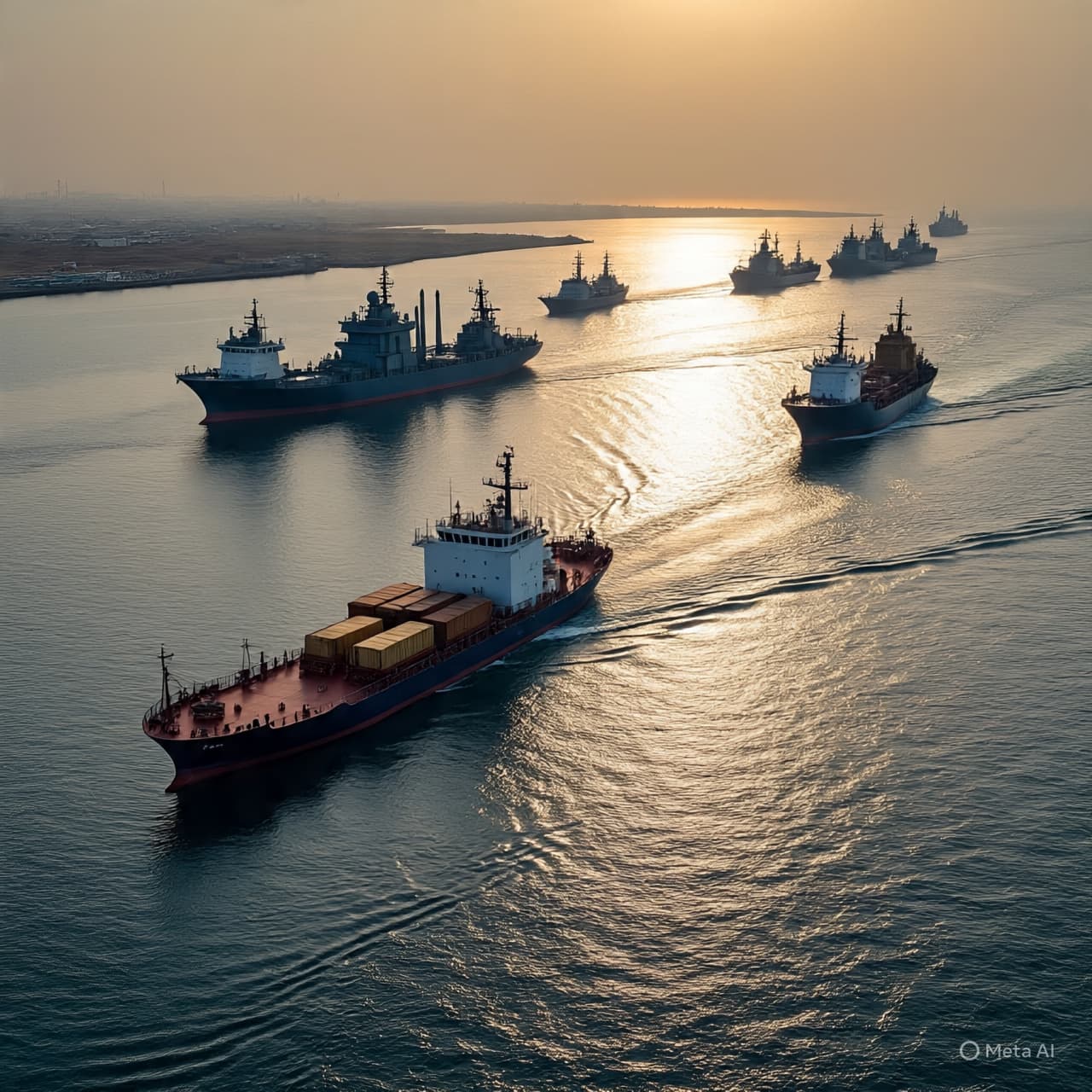
The dawn light casts a pale metallic sheen over the waters of the Persian Gulf, reflecting the hulls of ships that glide across its surface. While the sea appears calm from a distance, the atmosphere is charged with the presence of military vessels. In recent days, the United States has significantly expanded its military posture near Iran, deploying additional warships and fighter jets to the region. This buildup is not sudden; it unfolds gradually, much like the tides, yet its implications are profound.
The Persian Gulf has long served as a vital corridor for commerce and a focal point of geopolitical tension. The Strait of Hormuz, a narrow passage that carries a substantial share of the world’s oil supply, is particularly significant. Each vessel that navigates these waters carries not just cargo but also the weight of international relations and economic stability. The U.S. military's presence in this area is described by officials in terms of deterrence and readiness, projecting an image of strength and vigilance.
Fighter jets and warships are not merely symbols of power; they represent a complex web of strategy and caution. The language surrounding this military buildup is technical and procedural, designed to convey a sense of normalcy. However, in a region marked by historical tensions, even minor shifts in military posture are scrutinized closely. Observers are trained to interpret these movements as potential signals of future actions.
On the decks of aircraft carriers, operations proceed with a practiced calm. Crews meticulously position aircraft, while radar screens translate vast expanses of ocean into manageable data. The sun rises and sets, indifferent to the geopolitical stakes at play, yet its light illuminates the intricate dance of military readiness and restraint.
For Iran, the increased U.S. military presence is a reminder of longstanding mistrust and the potential for confrontation. Neighboring countries face a delicate balancing act, seeking protection while remaining wary of escalation. For global markets and shipping companies, the situation serves as a stark reminder that stability in this region is crucial, impacting everything from oil prices to shipping routes.
As night falls over the Gulf, navigation lights begin to blink on the vessels, signaling a controlled yet watchful atmosphere. Ships maintain their courses, and aircraft return to their carriers, creating a scene of quiet vigilance. The future remains uncertain, suspended between the potential for conflict and the hope for restraint. For now, the waters reflect the lights above, embodying a presence that is felt but not yet heard in the echoes of conflict.
Published by Banx Network. This article is part of the Banx decentralized media programme, powered by the BXE token on the XRP Ledger.



