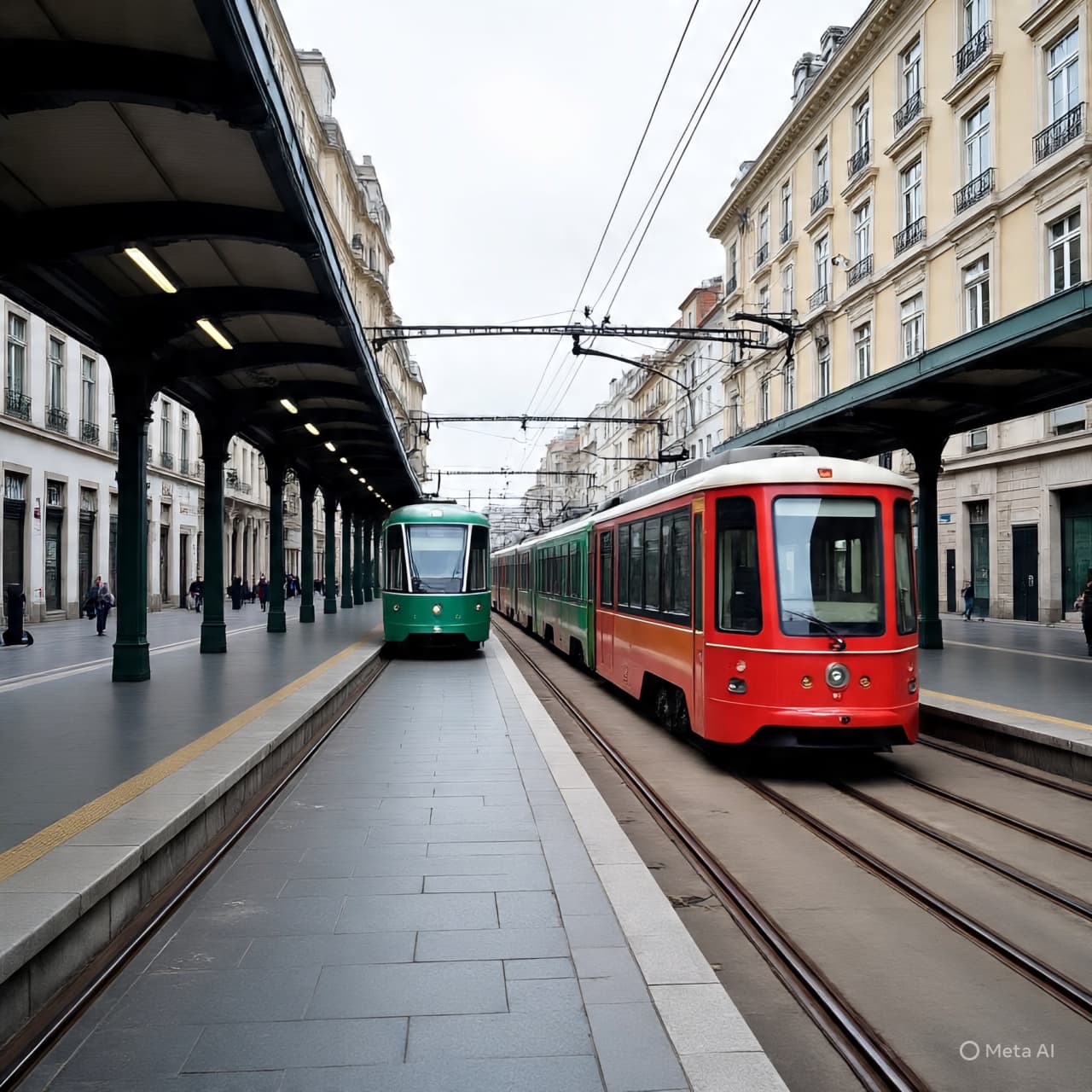
On a gray morning in Lisbon, where the Tagus River mirrors the muted sky, the hum of daily life gave way to silence punctuated by distant horns. Portugal, a country accustomed to rhythm and routine, faced a sudden stillness as millions of workers walked out, bringing transportation, public services, and daily commerce to a near standstill. The nation’s streets, usually vibrant with the chatter of cafés and the cadence of tram bells, became a living canvas of pause and protest.
The strike, called by a coalition of major labor unions, was set in motion over long-standing disputes concerning wages, working conditions, and public sector reforms. Airports saw delayed flights and empty check-in counters, while trains and buses remained parked at depots, their usual clamor replaced by the quiet of halted engines. In schools, offices, and hospitals, personnel shortages forced cancellations and rescheduling, turning routine errands into logistical challenges.
Workers from the transport sector, healthcare, and education marched through city centers, banners aloft, their voices merging in chants that echoed through narrow alleyways and broad avenues alike. These were not only demands for better pay or benefits, but also expressions of enduring frustration at systemic issues that have persisted despite political promises and incremental reforms.
For commuters and travelers, the strike was tangible in frustration and uncertainty. Passengers at Lisbon Airport, Porto, and Faro waited hours for updates; local commuters found trams and buses absent from familiar stops. Even essential services like municipal offices and postal deliveries felt the impact, illustrating how intertwined daily life is with the labor that sustains it.
Yet amid the disruption, there is a current of reflection. Citizens witnessed the power of collective action and the fragile balance of public service. Conversations in cafés and homes ranged from empathy for workers’ grievances to anxiety over the practical effects of halted services. The strike, while temporary, forces a broader reckoning on how societies value labor and negotiate change.
By evening, some services gradually resumed, but the day left an imprint. Portugal had paused, collectively and visibly, in a display of labor solidarity and civic assertion. The ripples of the strike will be felt not just in delayed journeys, but in ongoing debates over fairness, reform, and the future of work in the country.
AI Image Disclaimer Images in this article are AI-generated illustrations, meant for concept only.
Sources Reuters Associated Press Euronews CNN Portugal The Portugal News
Published by Banx Network. This article is part of the Banx decentralized media programme, powered by the BXE token on the XRP Ledger.