
Key Highlights
- Incident:A tourist was killed by an elephant during a guided tour.
- Background:The elephant has been linked to multiple fatal encounters.
- Response:Authorities are reviewing safety protocols for wildlife tourism.
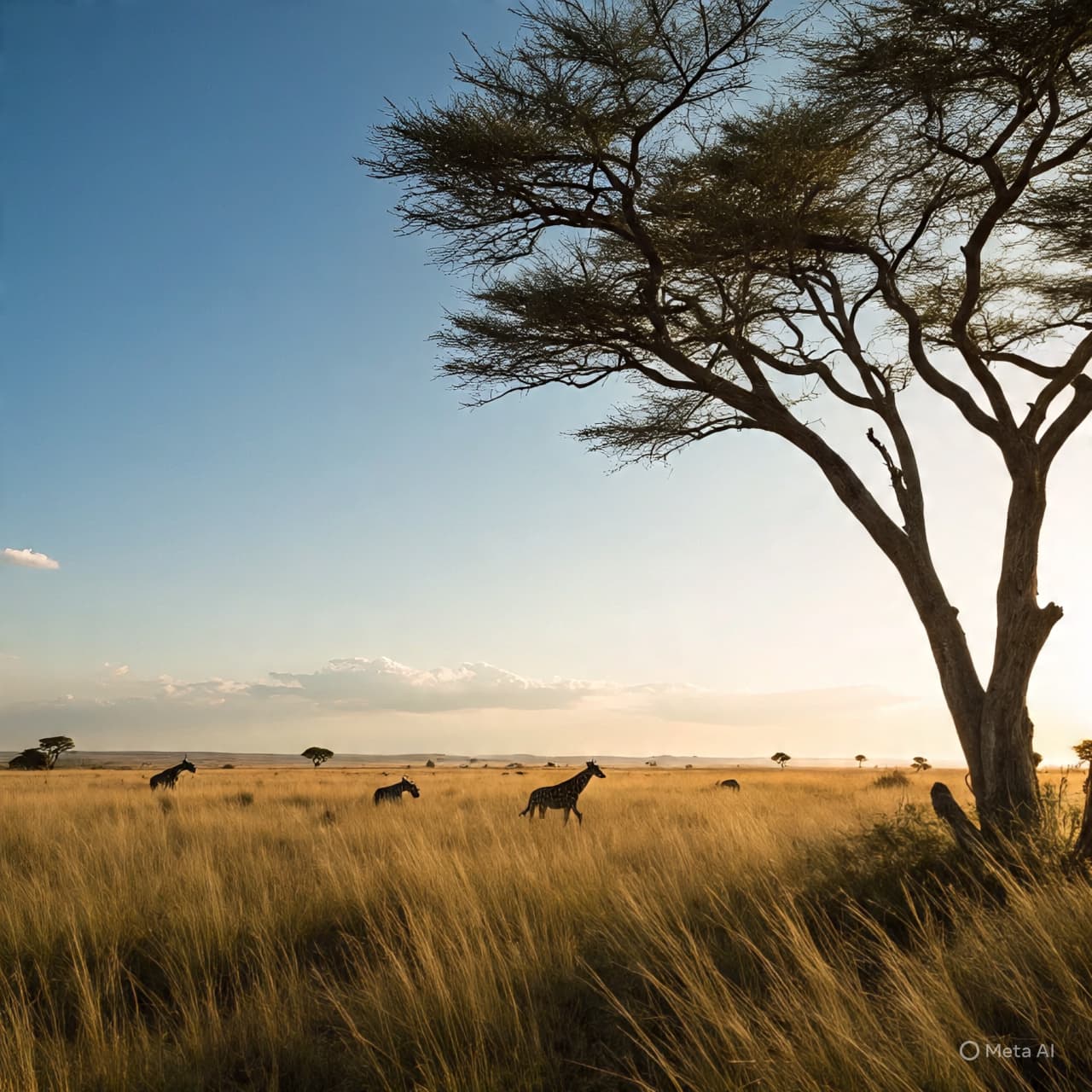
The landscape was meant to inspire awe, not fear. Tall grass shifted with the wind, birds lifted briefly from the trees, and the vastness of the place suggested distance from ordinary danger. For travelers, this is often the promise of the wild — beauty without confrontation, proximity without consequence. But the boundary between observation and exposure is thinner than it appears.
During a recent guided excursion in a wildlife-rich area, a tragic incident unfolded when a tourist was killed after being attacked by an elephant. His wife managed to escape, but the horror of the event has left a lasting impact on the local community and the tourism industry. Reports indicate that the elephant involved has now been linked to at least three fatal encounters, a rare but deeply unsettling pattern in regions where humans and wildlife increasingly cross paths. The incident unfolded quickly, leaving little time for intervention, and ending a journey meant for wonder in sudden loss.
Elephants, among the most intelligent and socially complex animals, are not inherently aggressive. Wildlife experts note that repeated encounters can be influenced by stress, habitat disruption, or prior confrontations with humans. As tourism expands deeper into protected and semi-wild areas, these pressures accumulate quietly, altering behaviors in ways that are difficult to predict and harder to reverse. The encroachment of human activity into natural habitats can lead to increased stress for wildlife, which may react unpredictably when confronted by tourists.
In response to the incident, authorities and conservation officials have begun reviewing safety protocols, including route planning, distance guidelines, and the monitoring of known high-risk animals. However, such measures carry their own tension. The very closeness tourists seek — the sense of stepping inside nature rather than viewing it from afar — is also what erodes the margin of safety. The desire for immersive experiences can lead to dangerous situations, as the boundaries between human and animal territories blur.
For the woman who escaped, survival came without relief. The psychological toll of witnessing such a traumatic event can be profound, leaving lasting scars that may never heal. For local guides and communities, the incident adds another layer of scrutiny to livelihoods built around wildlife tourism. Many depend on the income generated by visitors eager to experience the thrill of nature up close, yet incidents like this can deter future tourism and impact local economies.
For conservationists, the death serves as a stark reminder of a familiar dilemma: how to protect animals whose existence depends on human interest while acknowledging that this interest can itself become a threat. The challenge lies in finding a balance that allows for sustainable tourism while ensuring the safety of both visitors and wildlife. The death serves as a stark reminder that the wild does not adapt to expectation. It does not perform, negotiate, or soften itself for visitors. In places where humans enter animal domains, coexistence remains fragile, sustained only by restraint, respect, and an acceptance that nature’s silence is not the same as consent.
Published by Banx Network. This article is part of the Banx decentralized media programme, powered by the BXE token on the XRP Ledger.



