In the wide expanse between desert skylines and distant capitals, there is a certain stillness that comes just before agreements are made—a pause shaped by distance, diplomacy, and the quiet calculus of necessity. Planes descend into cities of glass and sand, carrying with them not only delegations, but the weight of a war that continues far beyond the horizon.
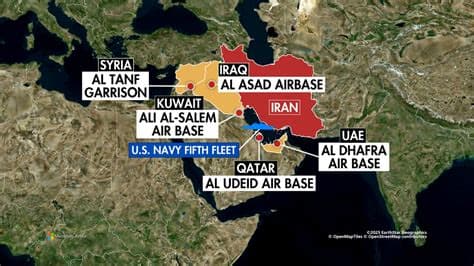
It was within this atmosphere that Volodymyr Zelenskyy arrived in the Gulf, moving through a landscape where sunlight reflects sharply off modern towers and long-standing alliances take on new forms. His tour through United Arab Emirates and Qatar unfolded with a measured urgency, focused on securing additional air defense support as Ukraine continues to navigate the prolonged strain of conflict.
The agreements signed during these visits center on systems and cooperation designed to strengthen Ukraine’s ability to intercept aerial threats—missiles, drones, and the evolving technologies that have come to define the war’s upper skies. While the specifics of the deals remain partly guarded, officials have indicated that they include both material support and technical coordination, extending beyond immediate deliveries into longer-term frameworks of assistance.
For the Gulf states involved, the moment carries its own quiet significance. The United Arab Emirates and Qatar have, in recent years, positioned themselves as intermediaries and partners across a range of geopolitical conversations, balancing regional priorities with an expanding global presence. Their engagement with Ukraine reflects a broader pattern—one in which diplomatic and economic ties are carefully layered, often away from the sharpest edges of public attention.
In Kyiv, the need is less abstract. Air defense has become a central thread in Ukraine’s strategy, woven into the daily realities of cities where sirens still punctuate ordinary life. Each system added, each agreement signed, represents not just a technical enhancement but a recalibration of vulnerability—an attempt to narrow the space through which threats can pass.
The Gulf tour also underscores the shifting geography of support. Where once alliances might have followed more predictable lines, the current moment reveals a wider network of engagement, stretching across regions not traditionally centered in European security frameworks. This expansion carries both opportunity and complexity, as partnerships are built across differing political landscapes and strategic interests.
Observers note that such agreements often extend beyond immediate military needs. Training, maintenance, and logistical integration form part of a longer arc, one that continues even as headlines move elsewhere. In this sense, the signatures placed on documents in Abu Dhabi and Doha become part of a quieter continuity—an ongoing effort to sustain capability over time.
As the tour concludes, the immediate facts settle into place: agreements signed, commitments made, and another layer added to Ukraine’s defensive posture. Yet the broader meaning remains in motion, carried forward by the evolving nature of the conflict and the shifting constellation of those who engage with it.
In the end, these moments of diplomacy, set against the stillness of desert evenings and the distant urgency of war, reveal a simple truth: that even far from the front lines, the contours of conflict continue to be shaped—in meeting rooms, in signatures, and in the careful alignment of support that travels quietly across borders.
AI Image Disclaimer Illustrations were created using AI tools and are not real photographs.
Sources Reuters Associated Press BBC News Al Jazeera Financial Times
Published by Banx Network. This article is part of the Banx decentralized media programme, powered by the BXE token on the XRP Ledger.