
Key Highlights
- Russia may be sharing satellite imagery and drone technology with Iran.
- This partnership reflects a shift in modern warfare dynamics.
- The Kremlin denies these reports, adding to the uncertainty.
In earlier eras, military alliances were marked by visible signs—troops crossing borders, ships gathering at sea, and formal declarations. Today, however, cooperation often occurs in a quieter realm, facilitated by signals, data, and the unseen architecture of technology. This shift has given rise to new concerns regarding the nature of military partnerships in the modern age.
Recent reports indicate that Russia may be sharing satellite imagery and drone-related technology with Iran. This potential transfer of capabilities, rather than conventional forces, suggests a deepening partnership shaped by years of military and strategic alignment. The claims, attributed to individuals familiar with intelligence assessments, highlight a significant evolution in how power is applied in contemporary conflicts.
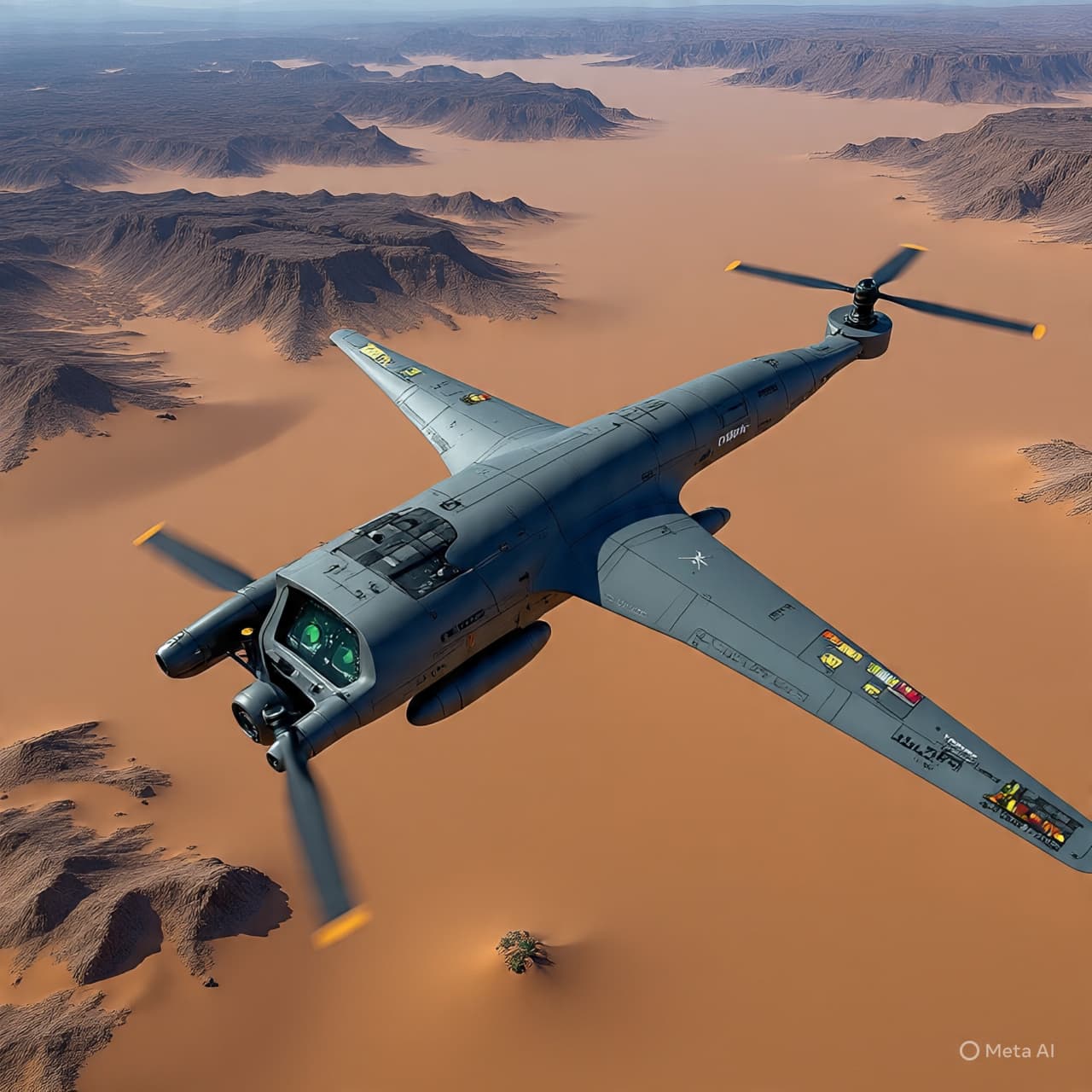
In modern warfare, satellite imagery serves as a critical form of intelligence, revealing movement, patterns, and vulnerabilities from above. This information allows military decisions to be made with unprecedented precision. When combined with sophisticated drone technology, this capability can translate into rapid and effective military action. The integration of data from orbit with aerial technology marks a transformative shift in the conduct of warfare.
Despite the implications of these reports, the situation remains ambiguous. The Kremlin has categorically rejected the claims, labeling them as unfounded. This denial underscores the challenges of verifying intelligence-based assertions, where competing narratives often cloud the truth. Nonetheless, the trajectory of cooperation between Russia and Iran appears to be on an upward trend.
In recent years, Iran has supplied Russia with drone technology that has been extensively utilized in the conflict in Ukraine, particularly systems designed for low-cost, repeated strikes. Conversely, Russia has adapted and integrated these systems, refining their deployment strategies. This exchange of technology and tactics is not merely one-directional; partnerships built on necessity often evolve into complex arrangements where knowledge circulates among participants.
If the reported sharing of satellite imagery is confirmed, it would signify a continuation of this evolution—extending cooperation from hardware to intelligence and from tools to targeting. The strategic implications of such developments extend beyond the immediate conflict, as they blur the lines between direct and indirect involvement in warfare. Support can now be provided through information streams and technical expertise, without the need for physical presence on the battlefield.
These advancements raise significant concerns among other global actors. Enhanced targeting precision, coupled with drone deployment, could increase both the effectiveness and frequency of military strikes, potentially altering the balance of power in already volatile regions. As the situation develops, the ramifications of this technology sharing will likely become clearer.
However, much remains unresolved. Reports rely heavily on unnamed sources, official denials abound, and independent verification is limited. In this space between assertion and confirmation, the narrative continues to evolve. As of now, officials have not independently verified the reported technology sharing, and Russia's denials add to the uncertainty surrounding the extent of cooperation and its implications for ongoing conflicts.
Published by Banx Network. This article is part of the Banx decentralized media programme, powered by the BXE token on the XRP Ledger.



