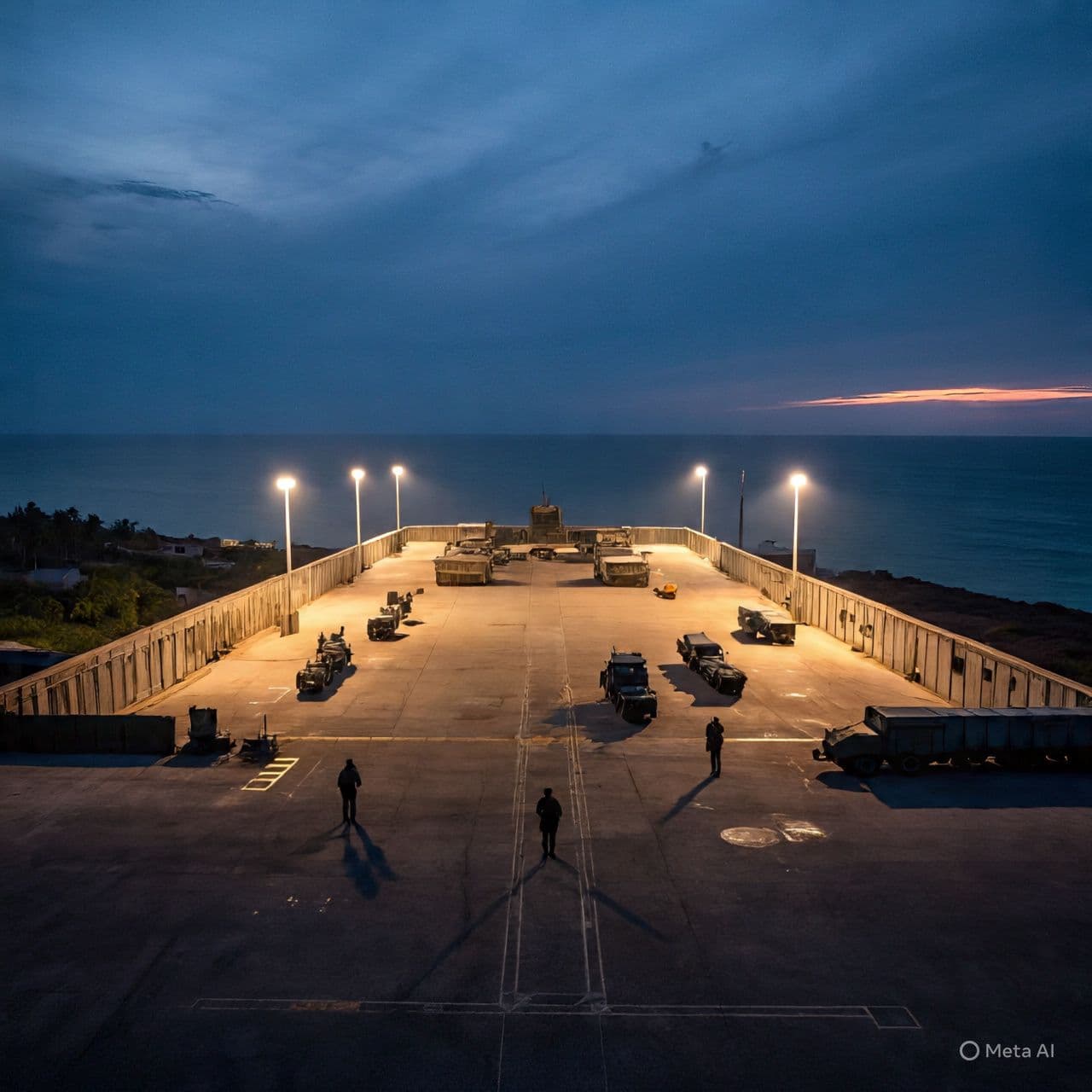
There is a particular stillness in the Caribbean when tension moves across the horizon—an atmospheric pause, as though the region itself is listening. In recent days, Venezuela has launched a massive military exercise, a nationwide mobilisation spanning land, air, naval and militia forces. It comes just as a U.S. aircraft carrier strike group moves closer to Latin American waters, casting a long shadow across an already delicate geopolitical landscape.
Caracas framed the mobilisation as a response to what it sees as an emerging threat, asserting that foreign military activity near its coastline demands vigilance. The United States, for its part, presents its deployment as a continuation of efforts to counter trans-national criminal networks and narcotics trafficking in the Caribbean. Between these two narratives lies a familiar tension: the difference between stated purpose and perceived intent.
The timing gives the moment its charge. A U.S. carrier—symbol of reach, presence, and unmistakable capability—does not approach a region quietly. Its arrival has been interpreted by Venezuelan officials as a provocation, prompting not only heightened alertness but also preparedness drills involving militia units that the government has long positioned as a strategic supplement to its conventional forces. Venezuela’s military capacity has faced years of strain and resource limitations, making this mobilisation less a show of overwhelming power and more a demonstration of resolve.
Published by Banx Network. This article is part of the Banx decentralized media programme, powered by the BXE token on the XRP Ledger.