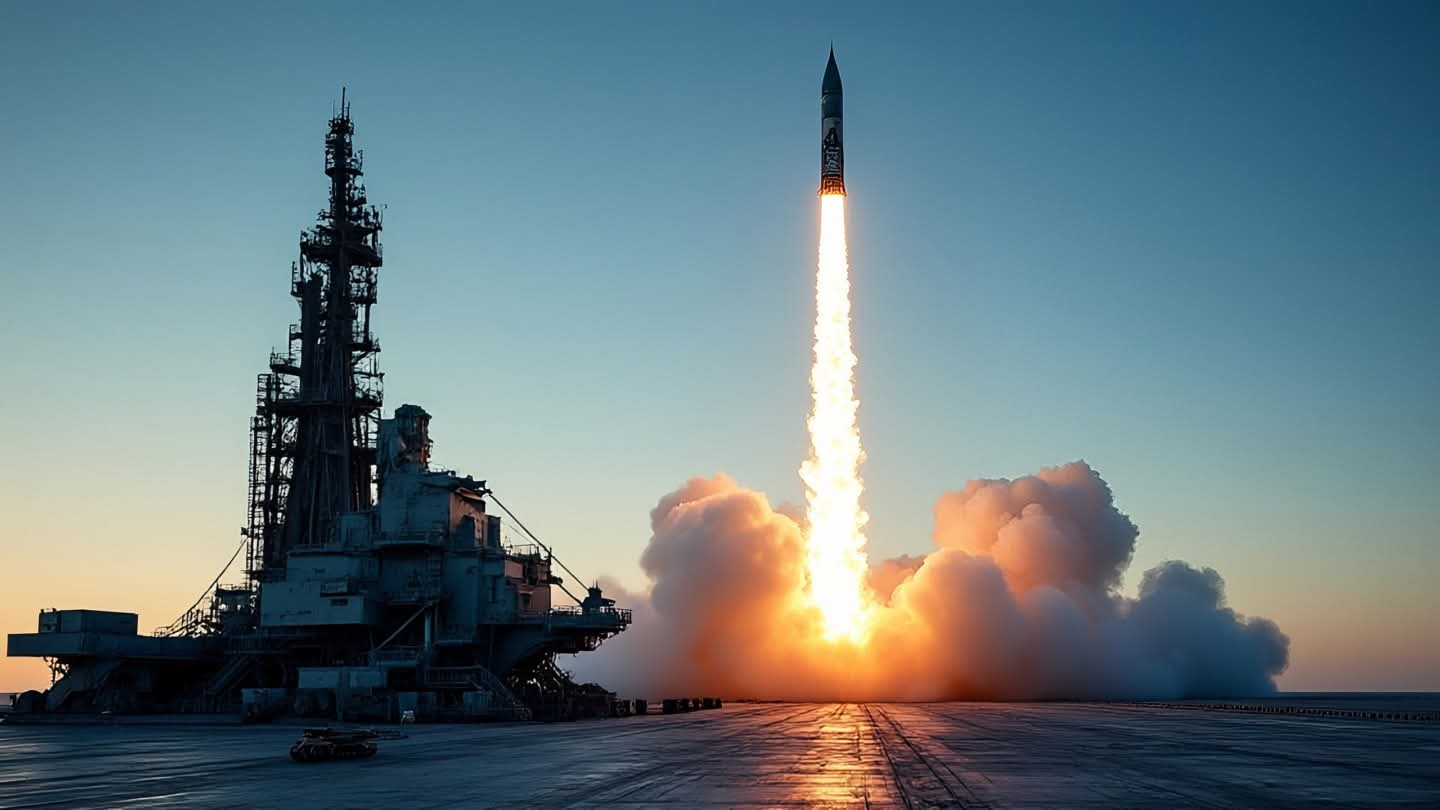
In the delicate dance of geopolitics, actions are often messages wrapped in steel and fire. North Korea’s recent launch of a ballistic missile comes just days before the start of major joint military exercises between the United States and South Korea. This timing is no coincidence; it is a calculated signal of defiance and a test of resolve. The event invites reflection on the cyclical nature of tension on the Korean Peninsula and the strategic language of deterrence. It is a moment where history repeats its patterns, and silence is broken by propulsion.
The missile, fired toward the Sea of Japan, marks the eleventh suspected ballistic test by Pyongyang in 2026. Each launch serves as a reminder of the regime’s growing capabilities and its unwillingness to be constrained by international norms. Capability demands attention. Defiance seeks recognition.
The upcoming "Freedom Shield" drills, scheduled to begin on August 17, are viewed by North Korea as rehearsals for invasion. For Seoul and Washington, they are essential for maintaining readiness and alliance cohesion. Perception shapes reality. Preparation ensures security.
By launching now, North Korea aims to disrupt the narrative and demonstrate its ability to strike despite heightened alert levels. It is a show of strength intended to influence diplomatic leverage. Strength projects power. Timing amplifies impact.
Regional neighbors, including Japan, have condemned the launch and increased their own surveillance efforts. The ripple effects of such actions extend beyond the peninsula, affecting global stability and non-proliferation efforts. Instability spreads wide. Cooperation counters threat.
As the drills approach, the international community watches closely, hoping for restraint and dialogue. Yet, the cycle of provocation and response remains a stubborn feature of regional politics. Hope persists amidst tension. Dialogue is the goal.
North Korea launched a ballistic missile ahead of the planned US-South Korea "Freedom Shield" military exercises, marking its eleventh test of the year. The move is seen as a protest against the drills and a demonstration of military capability. The hope is for de-escalation and renewed diplomatic engagement.
AI Image Disclaimer: Visuals associated with this article are AI-generated to illustrate the themes of geopolitical tension and military strategy.
Sources: Al Jazeera Associated Press Reuters
Published by Banx Network. This article is part of the Banx decentralized media programme, powered by the BXE token on the XRP Ledger.