
Key Highlights
- Electric flights could be operational in Europe by 2030.
- New aircraft technology aims to reduce reliance on jet fuel.
- Start-ups are developing electric planes for short-haul routes.
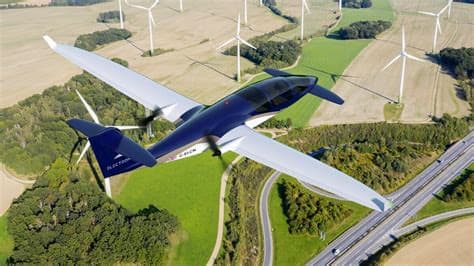
Electric flights are on the horizon for European travelers, with experts predicting that these innovative aircraft could be operational on popular short-haul routes by the early 2030s. As the aviation industry faces increasing pressure to reduce its carbon footprint, electric and hybrid planes are emerging as viable solutions to decrease dependence on imported jet fuel and mitigate air and noise pollution.
Recent advancements in aircraft technology have paved the way for electric planes capable of covering distances of up to approximately 500 kilometers. This range aligns well with many existing European routes, particularly those that are short-haul in nature. Aviation experts emphasize that the introduction of electric flights could significantly transform the travel landscape, making air travel more sustainable and accessible.
Start-ups are at the forefront of this electric aviation revolution, developing aircraft specifically designed for shorter distances. These companies are focusing on routes that may not be practical for conventional rail replacements, especially in rural or less accessible areas. By targeting these markets, electric flights could provide a much-needed alternative for travelers in regions where traditional transportation options are limited.
The potential benefits of electric flights extend beyond just convenience. With the aviation sector being a significant contributor to greenhouse gas emissions, the shift towards electric and hybrid aircraft represents a crucial step in the industry's efforts to combat climate change. Experts believe that as technology continues to evolve, the operational costs associated with electric flights will decrease, making them a more attractive option for airlines and passengers alike.
In addition to environmental benefits, electric flights could also lead to reduced noise pollution, which is a growing concern for communities near airports. The quieter operation of electric aircraft could enhance the quality of life for residents living in proximity to flight paths, making air travel a more harmonious part of urban living.
As the timeline for electric flights in Europe approaches, stakeholders across the aviation industry are closely monitoring developments. Airlines, manufacturers, and regulatory bodies are all engaged in discussions about the future of air travel and the role that electric aircraft will play. With continued investment and innovation, the dream of electric flights could soon become a reality, reshaping the way Europeans travel in the coming decade.
Published by Banx Network. This article is part of the Banx decentralized media programme, powered by the BXE token on the XRP Ledger.



