
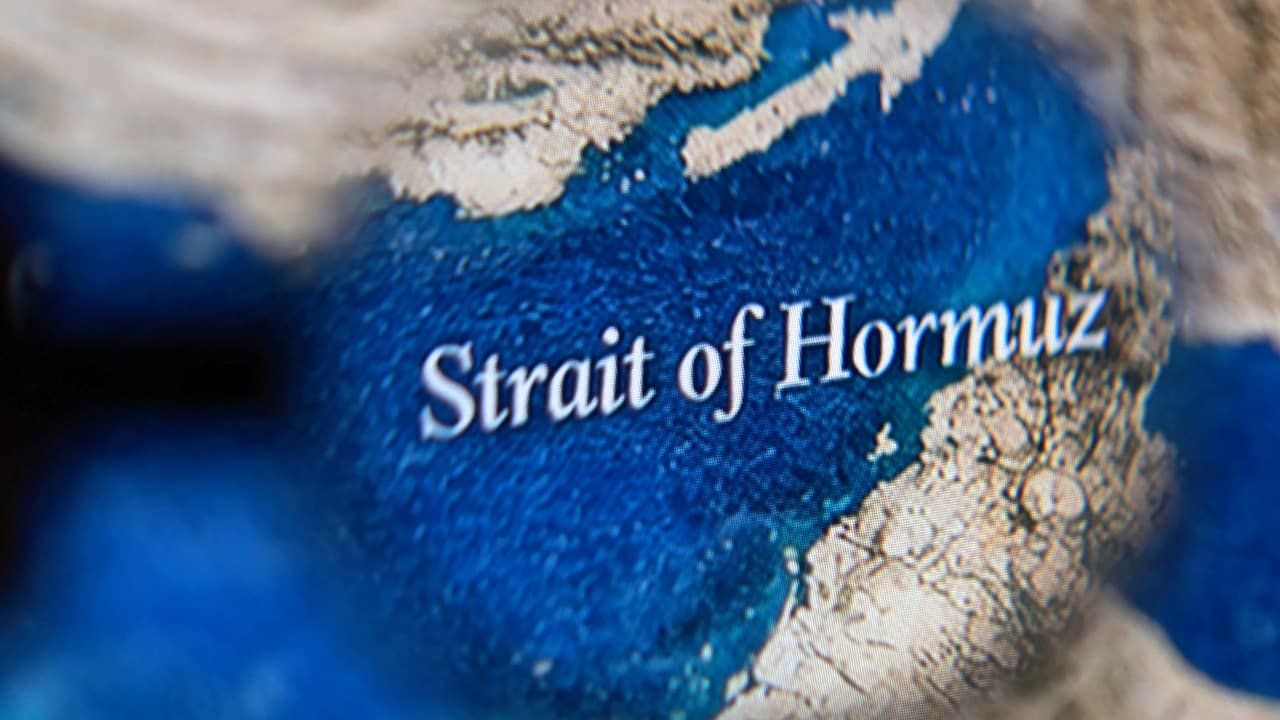
Key Highlights
- IRGC Approval:Ships must obtain permission from the IRGC to navigate the Strait of Hormuz.
- Unfreezing Assets:The reopening of the strait is linked to the unfreezing of Iranian funds.
- Global Oil Transport:The strait is vital for approximately 20% of the world's oil and LNG shipments.
On April 17, 2026, a high-ranking Iranian official announced that while the Strait of Hormuz remains open for commercial shipping, all vessels must secure approval from the Islamic Revolutionary Guard Corps (IRGC) to navigate through this critical maritime corridor. This statement follows a ceasefire agreement reached in Lebanon, with Iran's Foreign Minister Abbas Araqchi confirming the strait's operational status via social media.
The official emphasized that vessels must adhere to designated safe routes established by Iranian authorities, and military ships will continue to be prohibited from passing through the strait. This development is significant, as the Strait of Hormuz is a crucial transit point for about 20% of global oil and liquefied natural gas transport, making any changes in navigation rules impactful on international energy markets.
In addition to navigation approvals, the Iranian official highlighted that the unfreezing of Iranian assets is a key condition for the reopening of the strait. This comes in light of previous tensions that have left approximately 20,000 seafarers stranded in the region. Although U.S. vessels may be allowed to pass—provided they are not military ships—navigation must still occur in coordination with Iran to ensure safety and compliance with the new regulations.
President Donald Trump responded to the announcement, expressing optimism about an impending deal aimed at resolving ongoing conflicts with Iran. However, he reiterated that the U.S. military blockade of Iranian ports would remain in effect until further agreements are reached. This statement underscores the complex interplay of diplomacy and military strategy in the region.
Concerns about potential mine threats in the Strait of Hormuz have raised alarms among shipping interests, prompting advisories that urge caution and consideration of alternative routes. The situation remains fluid, with ongoing diplomatic negotiations aimed at stabilizing this vital maritime corridor while addressing regional security concerns. As the international community watches closely, the implications of these developments could reverberate through global markets and geopolitical relations.
Published by Banx Network. This article is part of the Banx decentralized media programme, powered by the BXE token on the XRP Ledger.



