Rivers of crude have long shaped economies and geopolitics alike, but sometimes the currents of oil carry more than trade; they carry history, tension, and the careful choreography of logistics unseen by most. Today, Venezuelan oil is stirring such currents once more. After years of sanctions and limited exports, companies and traders are moving quickly, securing ships and assembling operations, navigating both the literal and figurative channels to bring barrels of black gold to new destinations.
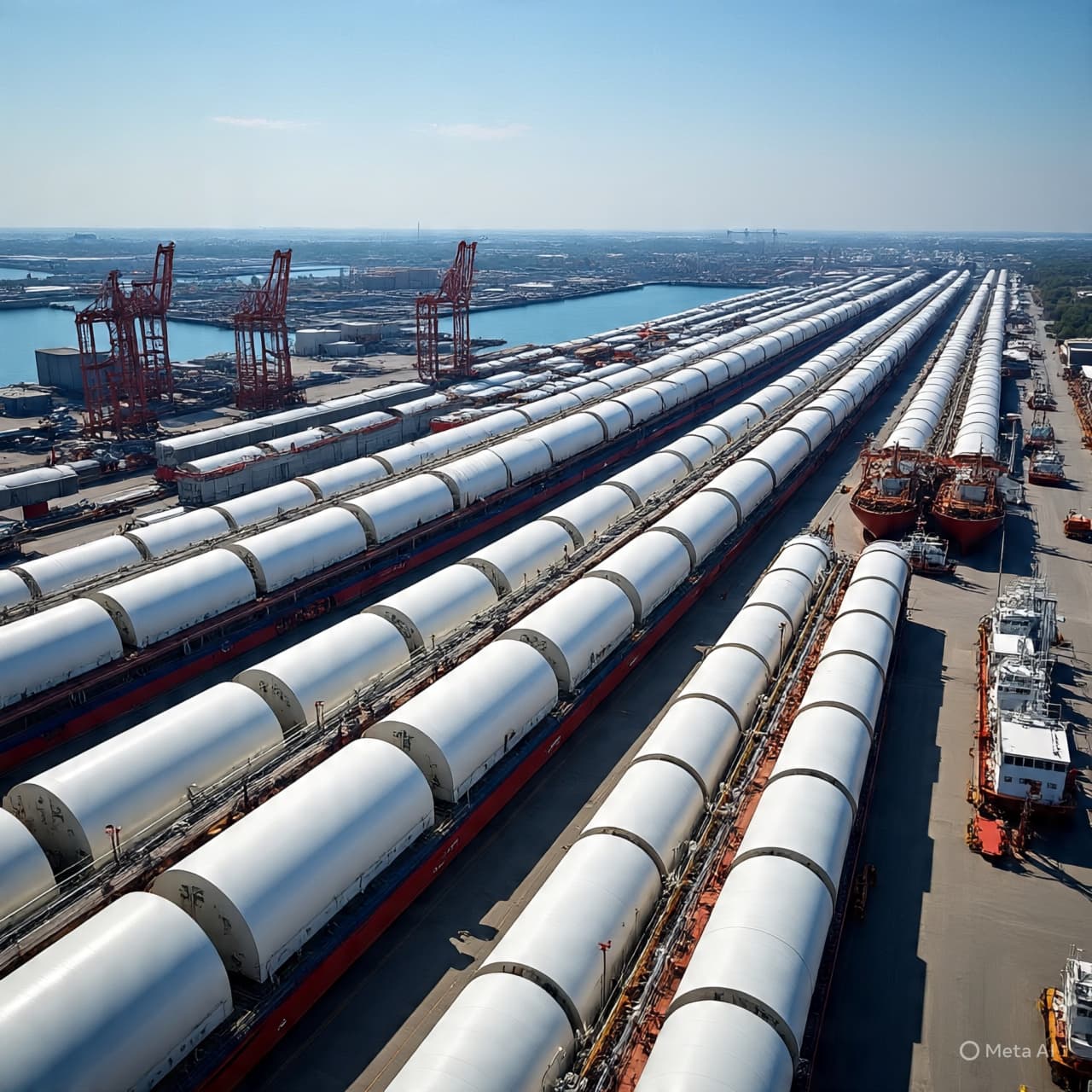
Behind the scenes, energy giants like Chevron, Trafigura, and Vitol are orchestrating a delicate ballet of ships, ports, and storage facilities. Some vessels have already slipped quietly from Venezuelan harbors, carrying oil that was once effectively trapped. Others are lined up, awaiting their turn to traverse the Gulf and beyond, each movement a signal of both opportunity and caution. The logistics are as intricate as they are vital: aging tankers, limited port capacity, and the need for ship‑to‑ship transfers in shallow bays all demand careful coordination.
The U.S., previously a market largely closed to Venezuelan crude, now signals intentions to receive millions of barrels, a shift that is reshaping trade patterns. Traders and shipping companies, long accustomed to global markets defined by routine flows, now find themselves responding to sudden openings, assessing routes, contracts, and operational risks. In this delicate environment, timing is everything: a day too soon or too late can ripple through global oil pricing and supply chains.
Yet, amid the movement, the scene is almost understated. The ships glide across the waters, silent ambassadors of a complex economic dance, while managers and crews coordinate from control rooms, offices, and ports. It is a reminder that energy, though often discussed in abstract numbers and charts, is deeply tangible, dependent on human effort, engineering, and the patience of nature’s own rhythms.
This resurgence of Venezuelan oil highlights the intersection of geopolitics and industry. It demonstrates how nations, corporations, and markets adapt to shifting policies, emerging opportunities, and the persistent demand for energy that drives modern life. For now, the Venezuelan crude finds new pathways, quietly reshaping trade while offering lessons in logistics, negotiation, and the enduring flow of natural resources.
In the quiet of the ports and the decks of tankers, the story continues — unassuming, precise, and continuous. The oil moves, the ships sail, and the world watches as one of the most storied reserves in history begins its next chapter, reminding us that even in a heavily charted industry, change can arrive like a current that reshapes the coastline overnight.
AI Image Disclaimer “Visuals are created with AI tools and are not real photographs, meant only for conceptual illustration.”
Sources Reuters The Guardian Reuters (shipping data & logistics) Reuters (Trafigura & Vitol reports) Reuters (Chevron exports coverage)
Published by Banx Network. This article is part of the Banx decentralized media programme, powered by the BXE token on the XRP Ledger.