
Key Highlights
- Shift in Power:The nature of global influence is evolving.
- Multipolar World:New economic centers are reshaping international relations.
- Technology's Role: Digital communication is altering power dynamics.
The landscape of international relations has long been defined by the dynamics of power—how it is acquired, wielded, and shared among nations. In recent years, however, we are witnessing a significant transformation in this narrative. The traditional metrics of power, such as military might and economic strength, are being redefined as new factors come into play, reshaping how nations interact and influence one another.
Historically, power was often quantified through tangible means like military capabilities and territorial control. While these elements remain crucial, they are increasingly complemented by softer forms of influence. Today, factors such as technological advancement, cultural appeal, and diplomatic finesse are becoming equally, if not more, important. This shift towards a more nuanced understanding of power dynamics reflects a broader trend where soft power operates alongside hard power, creating a complex and multi-dimensional global landscape.
The emergence of new economic and political centers is a key driver of this transformation. The world is gradually moving away from a unipolar or even bipolar structure towards a multipolar configuration. This shift introduces a greater diversity of perspectives and interests into the global arena, complicating decision-making processes and necessitating more collaborative approaches. As nations navigate this new reality, the ability to engage in constructive dialogue and build partnerships becomes paramount.
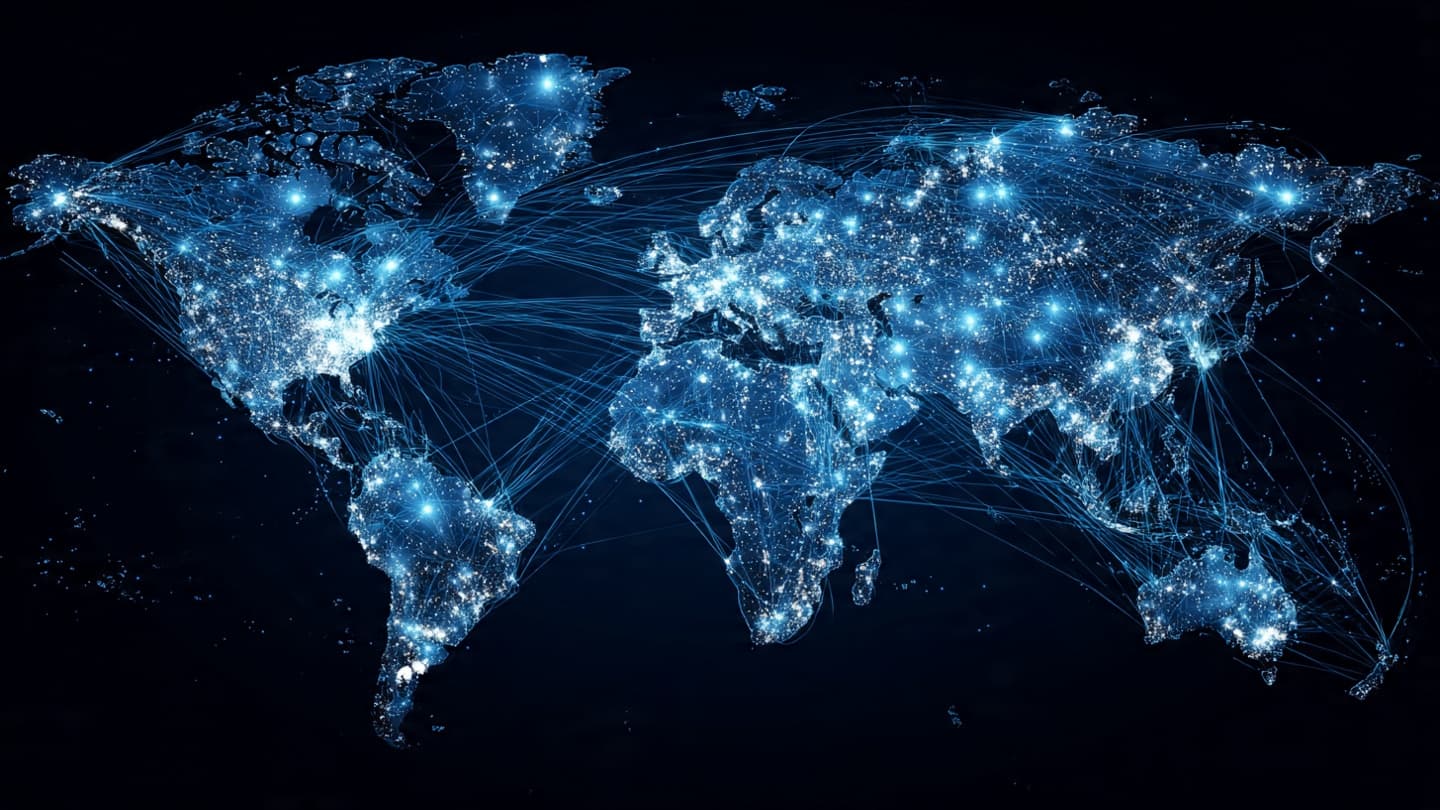
Interdependence is another defining characteristic of the contemporary international system. Countries are interconnected through trade, communication, and shared challenges, leading to a scenario where the actions of one nation can have far-reaching implications for others. This interconnectedness diminishes the feasibility of pure dominance, making cooperation not just an ideal but a practical necessity for addressing global issues.
The rapid advancement of technology has further accelerated these changes. Instant communication and global access to information have transformed how nations project influence and protect their interests. Non-state actors have gained prominence, increasing transparency and adding new dimensions to international relations. As a result, the traditional paradigms of power are being challenged, requiring nations to adapt their strategies to remain relevant in this evolving landscape.
Despite these changes, core concerns such as security, sovereignty, and national interests continue to hold significant weight in policy-making. The imperative to safeguard citizens and uphold national values remains a driving force behind many decisions. However, the challenge lies in reconciling these traditional priorities with the complexities of a rapidly changing world, necessitating innovative approaches and tools.
As we observe these developments, it becomes evident that the international system is undergoing a gradual restructuring. The established rules, institutions, and relationships that have historically governed global interactions are being reassessed and adapted to align with new realities. This process is often fraught with challenges and tensions as competing visions vie for prominence.
Nevertheless, this transformation also presents opportunities for richer cooperation and shared solutions in a more diverse and interconnected world. The success of this transition will depend on how nations manage their relationships, respect each other's roles, and work collaboratively to build a stable, inclusive, and responsive global system that addresses the needs of all stakeholders.
Published by Banx Network. This article is part of the Banx decentralized media programme, powered by the BXE token on the XRP Ledger.



