In the high-stakes world of New York City real estate, where property values often reflect status as much as shelter, a new fiscal policy has triggered a wave of strategic maneuvering. Mayor Zohran Mamdani’s recently enacted "pied-à-terre" tax, aimed at luxury second homes valued at 5 million or more, was designed to generate revenue for public services and address housing inequality. However, in the months leading up to its full implementation, a quiet exodus has begun among the city’s wealthiest residents, who are actively restructuring their ownership arrangements to mitigate the financial impact. It is a classic tale of policy intent meeting market adaptation.
The tax, which applies to residential properties not occupied by a full-time resident for at least 183 days a year, imposes a significant annual surcharge. For owners of multi-million-dollar apartments that serve as occasional retreats rather than primary residences, the cost can run into the tens of thousands of dollars annually. In response, many have sought legal loopholes, such as transferring titles to trusts, increasing their physical presence in the city to meet residency requirements, or even putting properties on the market before the assessment date.
Real estate attorneys and tax consultants report a surge in inquiries from clients seeking to reclassify their homes or adjust their living patterns. Some owners are now spending more time in their New York units simply to avoid the label of "second home," while others are exploring complex corporate structures that may shield them from the levy. This rush to compliance, or avoidance, highlights the fluid nature of wealth management in the face of regulatory change.
Critics of the tax argue that it may inadvertently harm the luxury housing market, potentially lowering property values and reducing transaction volumes. They contend that wealthy homeowners contribute significantly to the local economy through spending on maintenance, staff, and services, and that penalizing them could have broader economic ripple effects. Supporters, however, maintain that the tax is a necessary step toward equity, ensuring that those with the greatest means contribute fairly to the city’s infrastructure.
The city administration defends the policy as a targeted measure that affects only a small fraction of properties while generating hundreds of millions in revenue. Mayor Mamdani has emphasized that the goal is not to drive away residents but to ensure that the burden of funding public goods is shared more broadly. The revenue is earmarked for affordable housing initiatives and public transit improvements, projects that benefit the majority of New Yorkers.
Despite the controversy, the trend of avoidance continues. Data from property records shows an uptick in transfers and changes in declared residency status in recent months. Whether these moves represent genuine shifts in lifestyle or purely financial calculations remains a subject of debate. What is clear is that the tax has altered the behavior of the city’s elite, forcing a reevaluation of what it means to own a home in New York.
Mayor Mamdani’s second-home tax has succeeded in sparking conversation and action among New York’s wealthy. While the long-term economic effects remain to be seen, the immediate response underscores the complexity of taxing high-value assets in a global city. As the policy takes hold, it will serve as a case study in the balance between fiscal responsibility and market dynamics.
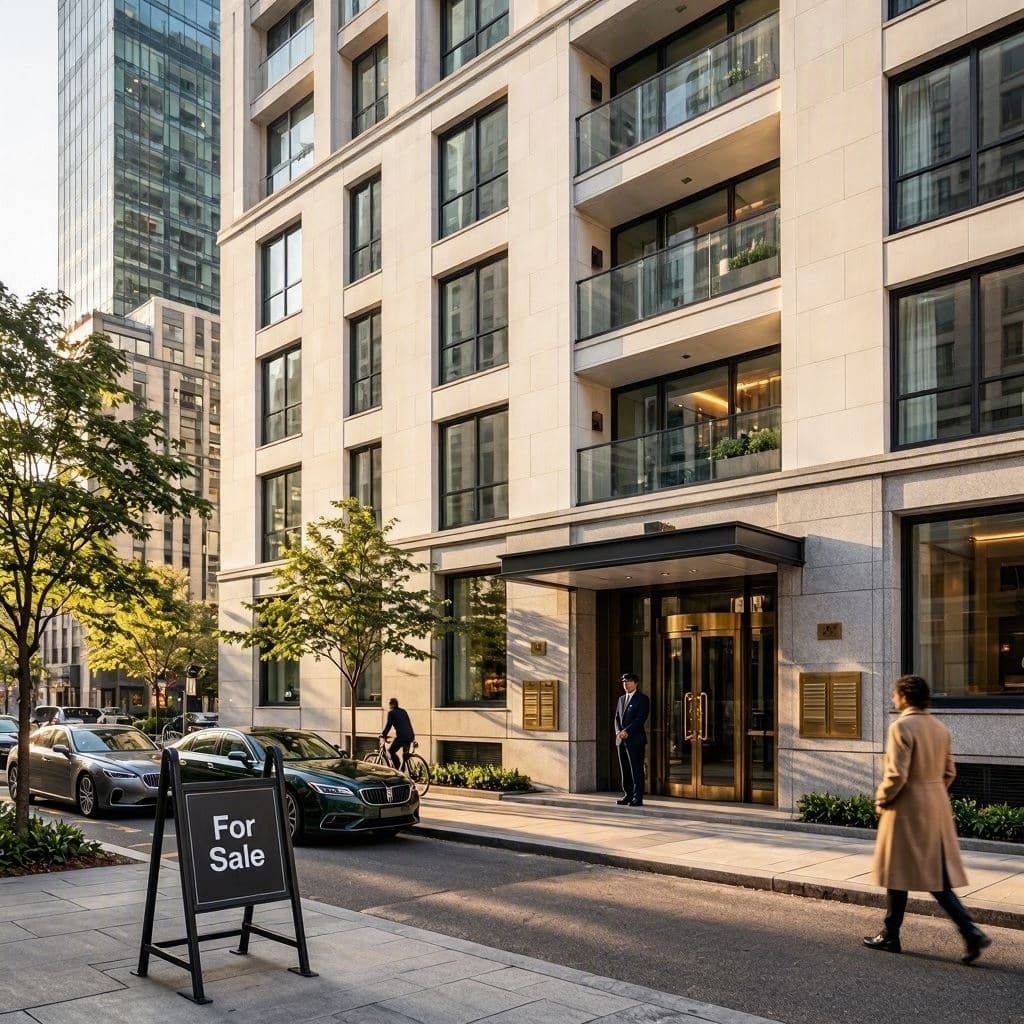
AI Image Disclaimer: The visual elements accompanying this report are AI-generated interpretations designed to reflect the economic and urban context of the story.
Sources: CNBC The New York Times NYC Mayor’s Office
Published by Banx Network. This article is part of the Banx decentralized media programme, powered by the BXE token on the XRP Ledger.