There is a particular anticipation that gathers in the weeks before Easter. It arrives softly, almost without announcement—bright wrappers appearing on shelves, familiar shapes returning to view, small rituals waiting to be resumed. Among them, the chocolate egg holds a quiet place, not extravagant, but enduring.
And yet, sometimes, even the most familiar things slip out of reach.
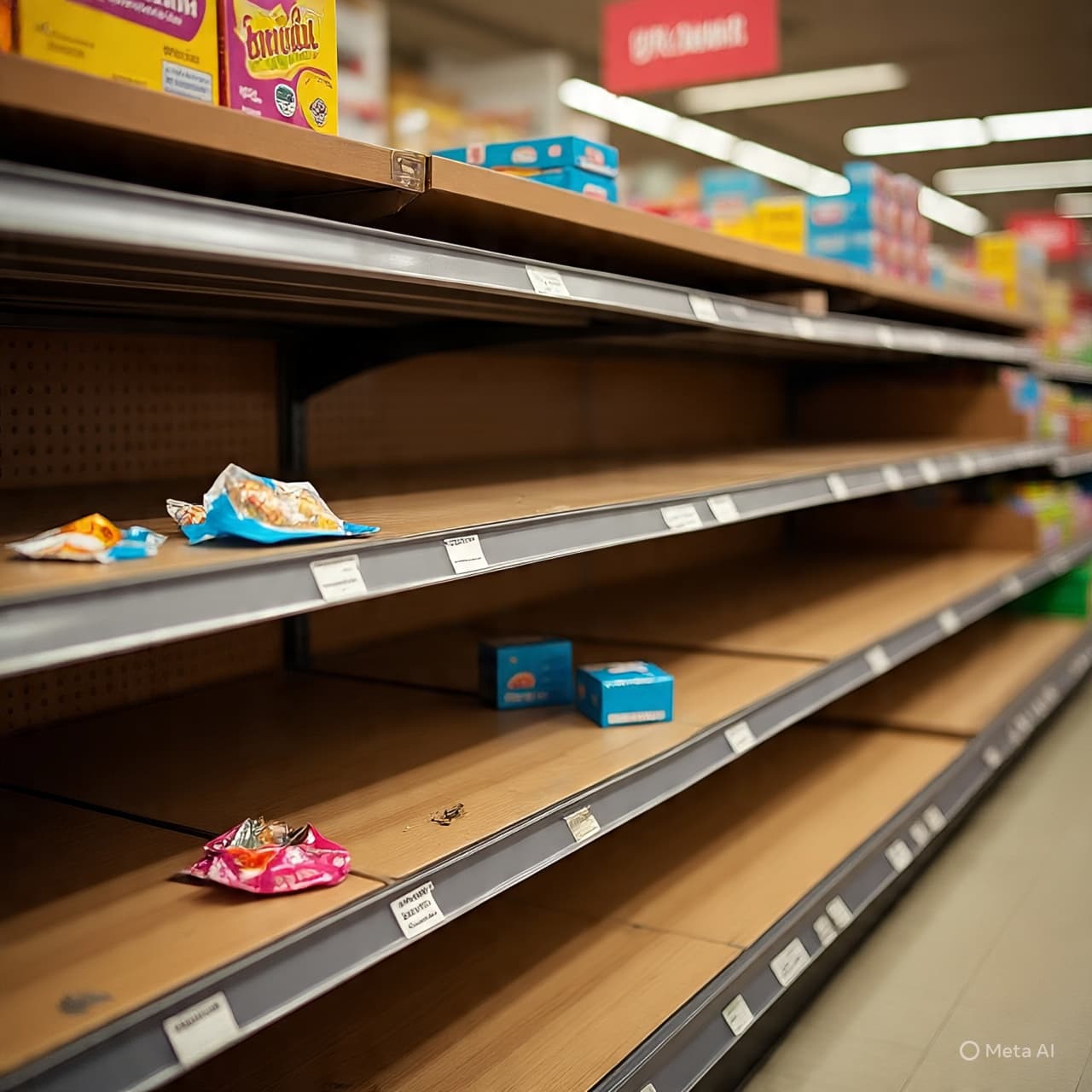
Across parts of New Zealand, Cadbury Mini Eggs have begun to disappear from supermarket shelves earlier than expected, as demand in the lead-up to Easter has outpaced supply. What might once have lingered through the season—gradually chosen, slowly consumed—has instead moved quickly, gathered up in the steady rhythm of shoppers preparing for the holiday.
The absence is not dramatic. It reveals itself in small ways: a gap where bright packaging once sat, a passing remark between customers, a substitution made without much hesitation. Yet behind that absence lies a pattern that repeats itself each year with slight variations—demand building not in a single moment, but in layers.
Easter, as a retail season, carries both predictability and surprise. Certain products return with reliable timing, shaped by tradition as much as by commerce. But the exact pace at which they move can shift, influenced by weather, timing, promotion, and the quiet psychology of anticipation. When demand accelerates, it does so collectively, many small decisions aligning at once.
For retailers, this alignment presents a familiar challenge. Stock is planned in advance, quantities estimated based on past seasons and current conditions. Yet no forecast is exact. A product can tip, almost unexpectedly, from sufficient to scarce, its popularity exceeding the boundaries set for it.
In the case of Cadbury Mini Eggs, their appeal lies partly in their consistency. They return unchanged, carrying with them a sense of continuity—taste, texture, and form held steady across years. That familiarity becomes part of their demand, as shoppers reach not for novelty, but for something already known.
At the same time, broader factors shape the environment in which such products are sold. Supply chains remain sensitive, influenced by global production, shipping timelines, and ingredient costs. Even when disruptions are not overt, they can narrow margins, leaving less room for adjustment once demand begins to rise.
There is also a subtle shift in how seasonal goods are approached. Where once purchases may have been spaced across weeks, there is now a tendency toward earlier preparation—buying ahead, securing what might not be available later. This behavior, repeated across many shoppers, compresses demand into a shorter window, amplifying the sense of scarcity.
And so the shelves clear, not all at once, but steadily—each purchase a small part of a larger movement.
What remains, however, is not only the product itself, but the pattern it reveals. Seasonal traditions, though rooted in repetition, are always subject to change in their expression. The timing shifts, the pace quickens or slows, and familiar objects take on new significance within that motion.
In this case, the disappearance of a chocolate egg is less about absence than about timing—a reminder that even the most predictable rituals are shaped by the present moment.
Supermarkets in New Zealand have reported that Cadbury Mini Eggs have sold out in some locations ahead of Easter, as higher-than-expected demand outpaced available stock. Retailers note that seasonal buying patterns and supply planning continue to influence availability in the lead-up to the holiday.
AI Image Disclaimer
Visuals are AI-generated and serve as conceptual representations.
Sources
RNZ NZ Herald Stuff Newshub The Spinoff
Published by Banx Network. This article is part of the Banx decentralized media programme, powered by the BXE token on the XRP Ledger.