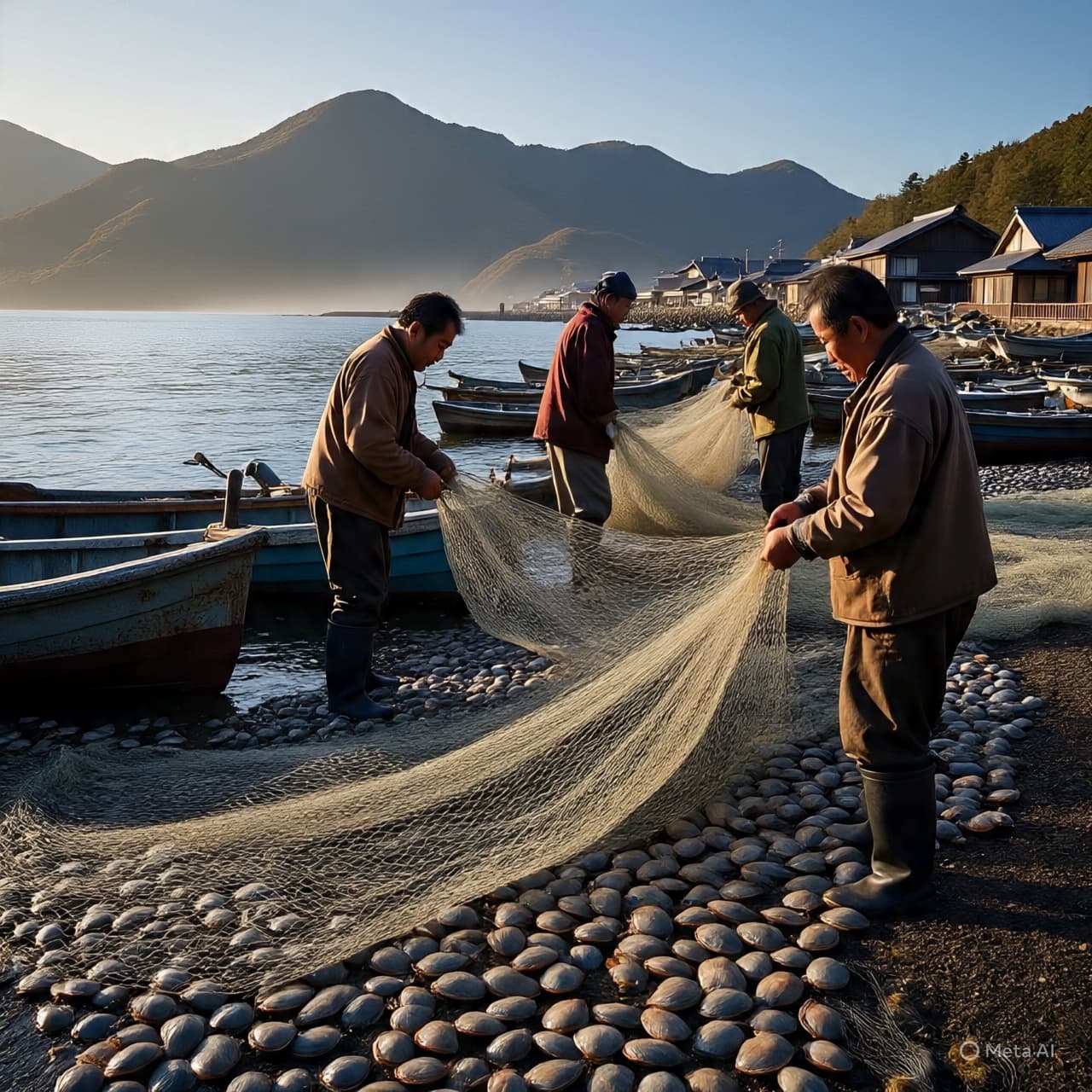
In the quiet northern waters off Hokkaido, the scallops drift in their rhythm, unaware of the human tides swirling far beyond the sea. For centuries, these shellfish have been more than food—they have been markers of culture, labor, and local pride. Yet in the intricate dance of international relations, even such humble creatures can find themselves swept into the currents of diplomacy, becoming unintentional symbols in the delicate choreography between nations.
Recently, Japanese scallops have found themselves at the center of a diplomatic push-and-pull with China. In late 2025, Chinese authorities suspended imports of certain Japanese seafood products, citing regulatory concerns. For many, the announcement seemed to ripple quietly across trade charts and shipping schedules. For the coastal communities that depend on the harvest, however, the decision struck like a sudden storm, reshaping the economic landscape of fisheries that have been tended for generations.
The context is more than commerce. Analysts note that the scallop suspension coincided with a broader period of diplomatic strain, following comments by Japanese officials on territorial issues in the East China Sea. While Beijing framed the trade measures as safety and quality regulation, observers suggest that the scallops had become, metaphorically, a pawn in a larger strategic game. Ships that once carried the morning catch to bustling markets now face new obstacles, documentation requirements, and export delays, illustrating how even everyday commodities are not insulated from international tension.
For fishermen in Hokkaido, the impact is immediate and intimate. Seasonal rhythms that once dictated planting, harvesting, and shipping now require adaptation, as communities reimagine supply chains and explore alternative markets. Local economies, reliant on both domestic consumption and foreign demand, are reminded that their livelihoods exist in an ecosystem that extends far beyond the coastlines they know so well.
Yet beyond the calculations of trade and diplomacy, there is a quiet narrative of resilience. Families, cooperatives, and local businesses are finding creative ways to sustain both the scallops and the traditions they represent. Some are turning to new processing techniques, domestic marketing strategies, and collaborations with other regions to ensure that the delicate balance between nature, culture, and commerce persists. The scallop, a symbol of nourishment and heritage, remains at the heart of these efforts, bridging a gap between local life and global currents.
In the larger view, the saga of Japanese scallops reminds us that the smallest actors in human affairs—seafood, crops, or cultural exports—can reflect the fragility and interdependence of international relations. Diplomacy is often imagined as a distant game of policy and rhetoric, yet here it manifests in crates of scallops, in the cautious timing of shipments, and in the livelihoods of those whose work begins long before any official statement reaches the press.
The story is ongoing, and as governments navigate negotiation and compromise, the scallops continue to grow quietly beneath the waves, their world largely untouched by political winds. It is a gentle reminder that the natural rhythms of life endure even amid the shifts of human affairs.
AI Image Disclaimer Illustrations were produced with AI and serve as conceptual depictions.
Sources The New York Times Reuters Channel News Asia Times of India Nippon.com
Published by Banx Network. This article is part of the Banx decentralized media programme, powered by the BXE token on the XRP Ledger.