

Key Highlights
- Senator Thom Tillis criticizes the DOJ's proposed Anti-Weaponization Fund.
- The debate reflects declining trust between political parties and federal agencies.
- Supporters argue the fund aims to enhance oversight, while critics raise concerns about political influence.
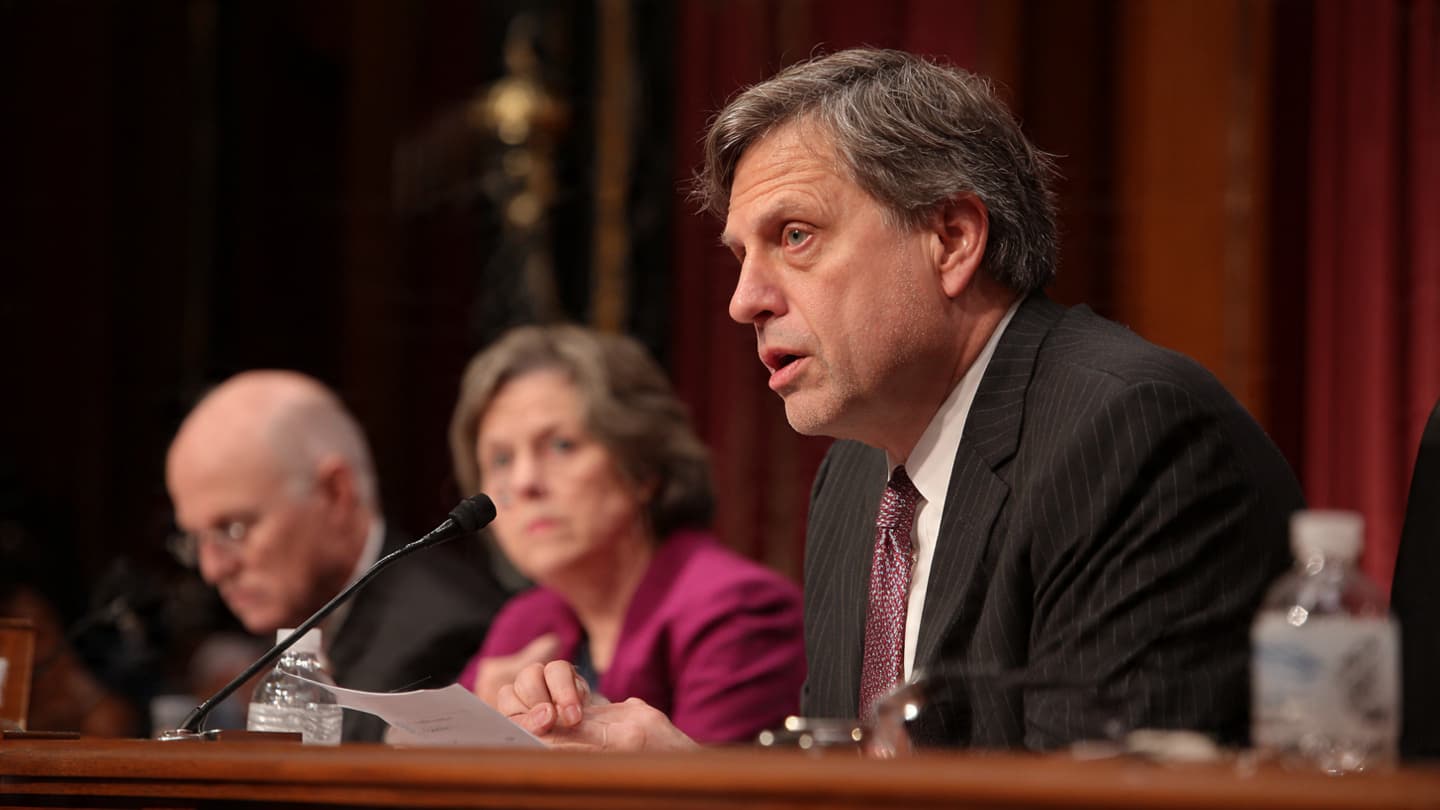
Political language in Washington often oscillates between measured discourse and moments of open confrontation. This week, during discussions surrounding justice, law enforcement, and public accountability, rhetoric became particularly charged as lawmakers sought to influence public perception of complex institutions. Senator Thom Tillis added to this heated atmosphere by sharply criticizing the Department of Justice’s proposed “Anti-Weaponization” Fund.
Tillis employed unusually blunt language, asserting that the fund risks rewarding individuals or organizations he perceives as politically motivated. His remarks quickly garnered national attention, highlighting the increasingly contentious debate over the role of federal law enforcement agencies in American politics. The senator's comments underscore a growing divide in how lawmakers view the intersection of justice and political influence.
Supporters of the initiative argue that the fund is designed to address concerns regarding alleged misuse of government power and to bolster oversight mechanisms within federal institutions. They contend that the fund is a necessary step toward ensuring accountability and transparency in federal law enforcement. However, critics question how the resources would be allocated and whether political considerations could unduly influence these decisions, raising alarms about potential bias in the distribution of funds.
This dispute arises during a broader period marked by declining trust between political parties and major federal agencies. Allegations of selective investigations, partisan influence, and institutional bias have become recurring themes in congressional hearings and campaign messaging. As public confidence in the justice system hinges on perceptions of fairness and independence, the stakes of this debate are particularly high.
Observers note that when political leaders openly challenge federal institutions, discussions can quickly evolve beyond individual policies into broader questions about legitimacy and accountability. Lawmakers defending the Department of Justice caution against rhetoric they believe may undermine trust in legal institutions. They argue that while oversight is essential, public officials must also be wary of weakening confidence in the systems responsible for enforcing the law.
The controversy surrounding the proposed fund reflects a larger pattern in modern American politics, where disputes over federal agencies increasingly carry strong symbolic significance. Justice Department policies, investigations, and funding decisions frequently become central battlegrounds in national political discourse, shaping the narrative around accountability and governance.
As congressional discussions regarding the proposed fund are expected to continue, lawmakers will review funding details and oversight measures. While opinions remain sharply divided, the ongoing debate illustrates how disputes over justice and accountability continue to shape the broader political climate in Washington, with implications for public trust in federal institutions.
Published by Banx Network. This article is part of the Banx decentralized media programme, powered by the BXE token on the XRP Ledger.




