
Key Highlights
- New Agreement:Pakistan and China have established a joint anti-terrorism pact aimed at enhancing security cooperation.
- Rapid Response Mechanism:The agreement focuses on improving rapid response systems to address terrorism and organized crime.
- Special Protection Unit:Pakistan is setting up a dedicated unit in Islamabad for the safety of Chinese nationals and projects.
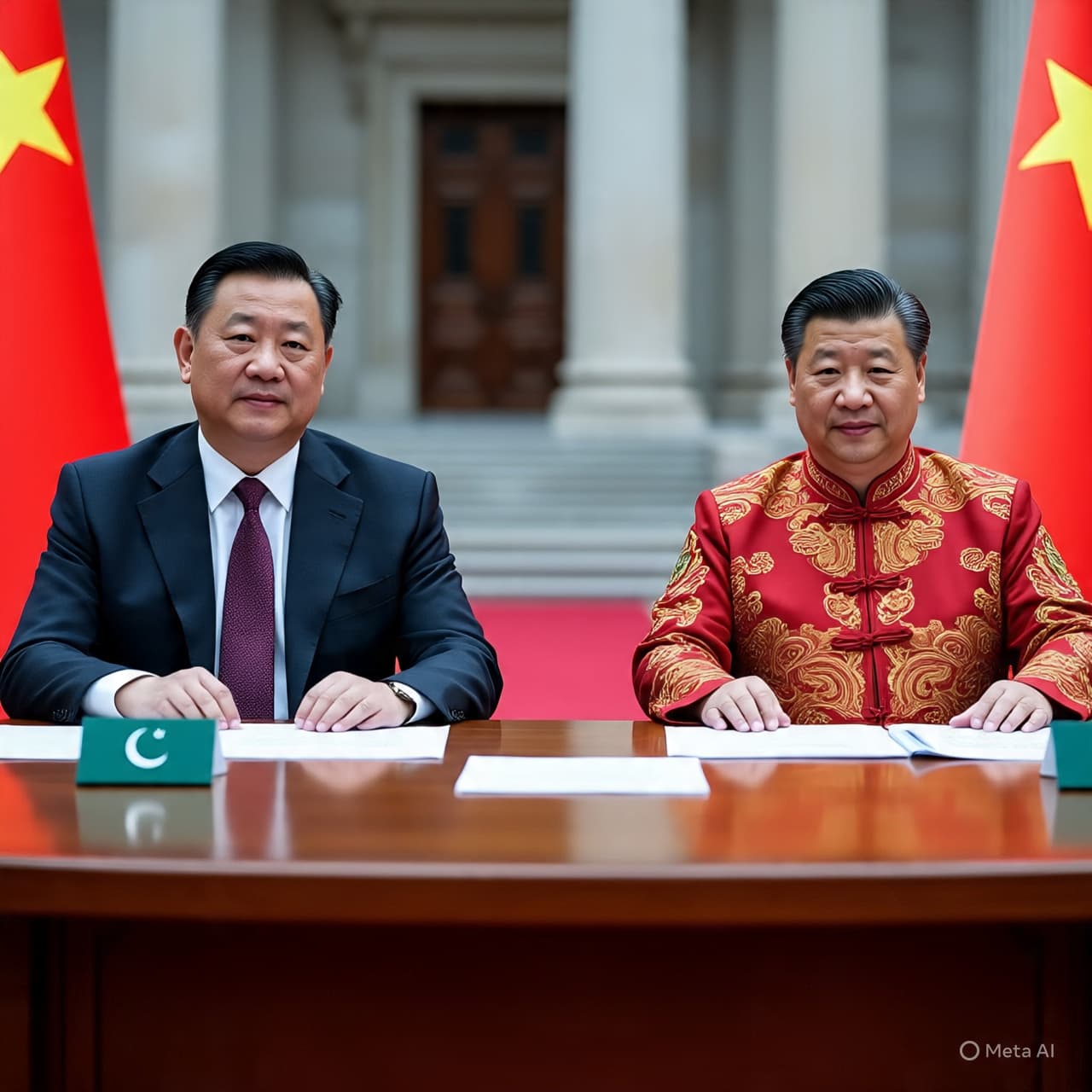
In a significant development in international relations, Pakistan and China have solidified their commitment to counter-terrorism through a new agreement reached during a diplomatic meeting in Beijing. This pact emerges from a shared urgency to address the evolving threats posed by terrorism and organized crime, reflecting the deepening strategic partnership between the two nations.
Interior Minister Mohsin Naqvi of Pakistan and China’s Minister of Public Security Wang Xiaohong engaged in extensive discussions that transcended typical diplomatic formalities. The focus was on enhancing rapid response mechanisms to ensure a swift and coordinated reaction to emerging threats that could jeopardize civilian safety and critical infrastructure. The agreement aims to bolster their joint rapid response system, which is crucial in today's fast-paced security landscape.
A key aspect of the talks was the emphasis on police training exchanges, which both sides view as essential for building professional capacity among their security forces. This initiative is expected to strengthen the operational capabilities of both nations in tackling terrorism and organized crime more effectively.
The meeting also highlighted a mutual appreciation for the steps taken by Pakistan to safeguard Chinese nationals and projects within its borders. The Chinese minister expressed satisfaction with Pakistan's efforts, particularly in light of previous militant attacks that have raised concerns about security. Pakistani officials reiterated their commitment to protecting foreign citizens and assets, framing this as a national priority rather than merely a diplomatic obligation.
In a move to enhance security measures, Pakistan announced the establishment of a Special Protection Unit in Islamabad, dedicated to ensuring the safety of Chinese nationals and collaborative ventures. This unit, along with regular joint meetings of a working group and annual interior ministerial talks, will serve as structural pillars in the enhanced partnership between the two countries.
The agreement also addresses contemporary security challenges in the digital age, with both nations expressing interest in collaborating to combat cybercrime. They are exploring Chinese technological support to strengthen Pakistan's National Cyber Crimes Investigation Agency (NCCIA). This focus on both traditional and emerging security concerns underscores the complexity of counter-terrorism efforts in an interconnected world.
As the strategic dialogue between Islamabad and Beijing evolves, this joint commitment to rapid anti-terror response signifies more than just a technical arrangement. It reaffirms a friendship long characterized as “ironclad,” rooted in shared security interests and a collective determination to confront threats together rather than in isolation.
Published by Banx Network. This article is part of the Banx decentralized media programme, powered by the BXE token on the XRP Ledger.



