
Key Highlights
- Recent Call:U.S. Secretary of State Marco Rubio and Mexico's Foreign Secretary Juan Ramón de la Fuente discussed crime and sovereignty.
- Focus on Cooperation:The conversation emphasized stronger collaboration against narcoterrorism and trafficking.
- Sovereignty Concerns:Mexican officials stressed the importance of respecting territorial integrity in joint efforts.
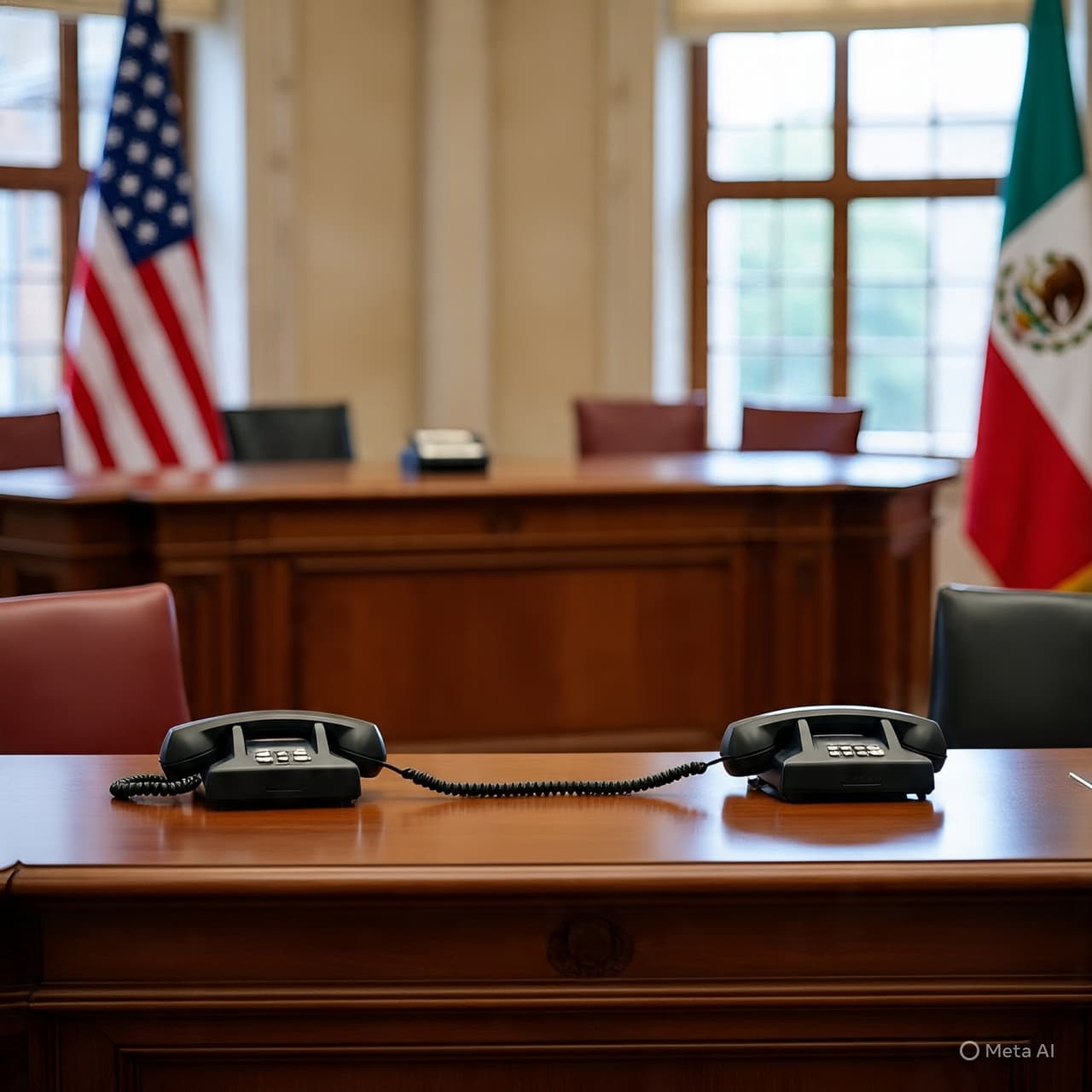
On a brisk January morning, as winter sunlight gilded the Washington skyline, U.S. Secretary of State Marco Rubio and Mexico’s Foreign Secretary Juan Ramón de la Fuente engaged in a significant phone call. This conversation, held on a recent Sunday, was not merely ceremonial; it addressed the pressing issue of violent criminal networks that have long plagued both nations. The dialogue sought to establish a cooperative framework to combat the narcoterrorism that threatens communities across the border.
According to an official statement, Rubio highlighted the urgent need for “stronger cooperation to dismantle Mexico’s violent narcoterrorist networks and stop the trafficking of fentanyl and weapons.” He reaffirmed the United States' commitment to fighting narcoterrorism, emphasizing the necessity for tangible results to protect citizens on both sides of the border. De la Fuente, responding to directives from President Claudia Sheinbaum, engaged in this dialogue following controversial remarks from U.S. leadership regarding potential military action against cartels, which raised significant concerns about Mexican sovereignty.
The context of this diplomatic exchange is critical. Recent comments from former President Donald Trump suggested that the U.S. might consider military action against cartels, igniting fears in Mexico about sovereignty and unilateral military involvement. In response, Mexican leaders have called for joint efforts rather than unilateral actions, making the recent phone call between Rubio and de la Fuente particularly significant. It symbolized a commitment to shared responsibility in addressing a mutual threat.
During their conversation, the two officials discussed the ongoing Border Security and Law Enforcement Cooperation Program, which aims to coordinate efforts against smuggling, organized crime, and illegal arms flows. The Mexican Foreign Ministry emphasized that any collaboration must respect “sovereignty and territorial integrity, shared responsibility, mutual trust, and collaboration without subordination.” This statement underscores Mexico's insistence on maintaining its autonomy while seeking deeper cooperation with the United States.
For observers, the call illustrates the complexities of diplomacy, where firm rhetoric often coexists with quieter agreements. The U.S. and Mexico share more than just a border; they are intertwined through commerce, culture, and shared concerns about public safety. The ongoing crises of drug trafficking, fentanyl production, and associated violence have far-reaching impacts on communities in both nations. Thus, the conversation between Rubio and de la Fuente was both practical and symbolic, highlighting the need for bilateral responses to shared challenges.
As the call concluded, the path forward remains challenging. Building effective cooperation against entrenched criminal networks requires more than just diplomatic dialogue; it necessitates ongoing meetings, data sharing, coordinated enforcement actions, and, crucially, trust between the two nations. In the intricate landscape of international relations, moments like this reveal the efforts of nations to navigate complex issues and work towards security and stability, even amidst significant challenges.
Published by Banx Network. This article is part of the Banx decentralized media programme, powered by the BXE token on the XRP Ledger.



