
Key Highlights
- Humanitarian action is guided by principles of humanity, neutrality, impartiality, and independence.
- International solidarity is essential in addressing global crises and challenges.
- Organizations play a crucial role in delivering aid and support across borders.
The human dimension of international relations is often overshadowed by discussions of power, economics, and strategy. However, it is crucial to recognize that humanitarian values are equally important in shaping global interactions. These values guide actions taken to assist those in need, protect the vulnerable, and uphold the dignity of every individual. They form an essential part of the global conscience and influence much of the work done across borders.
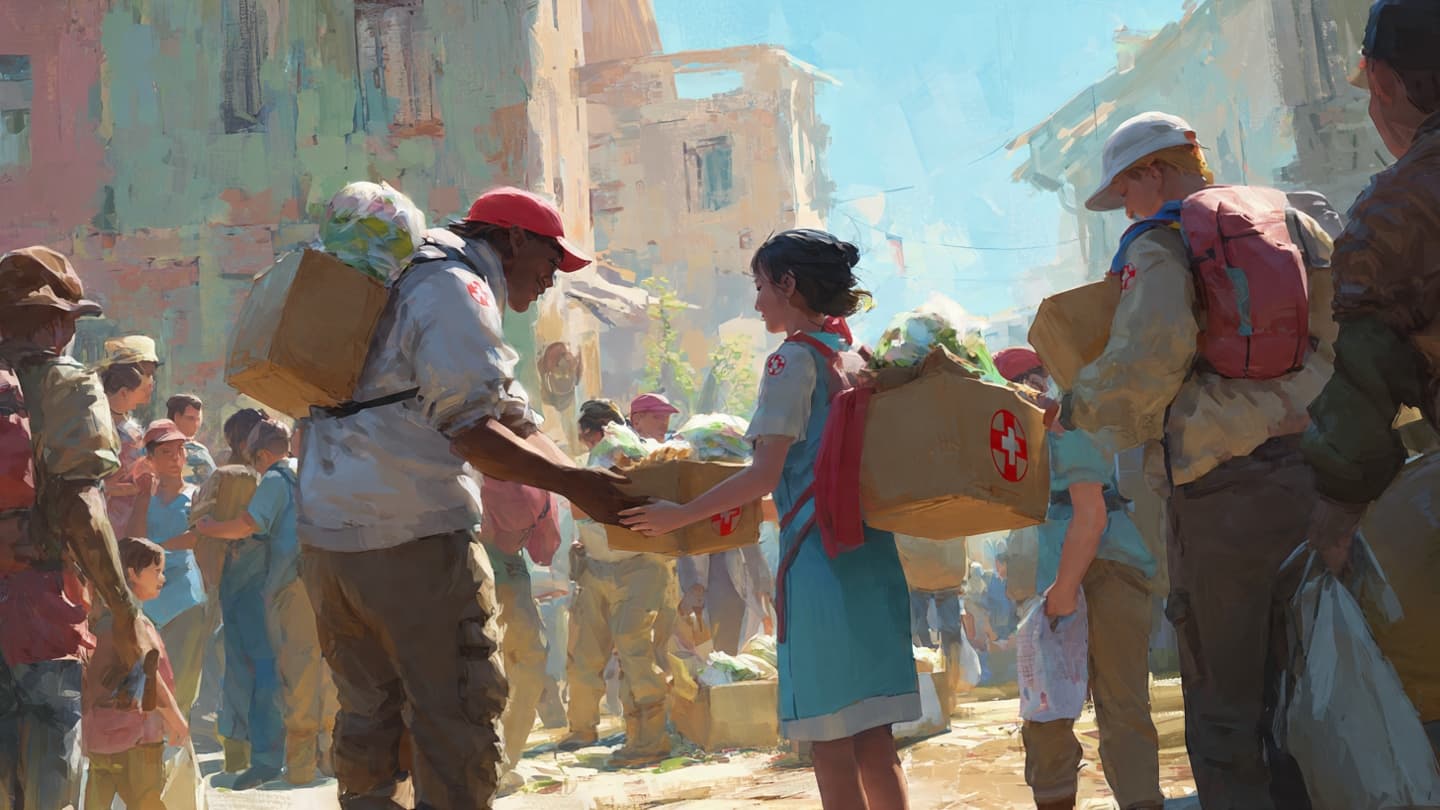
Humanitarian action is rooted in simple yet powerful principles: humanity, neutrality, impartiality, and independence. This means providing assistance based solely on need, irrespective of politics, race, religion, or geography. Whether responding to natural disasters, armed conflicts, or health emergencies, the ultimate goal remains the same: to alleviate suffering and save lives. This commitment to humanitarian principles is what drives organizations and individuals to act in times of crisis.
In today's world, the scale of challenges we face has made international solidarity more necessary than ever. No nation is immune to crises, and when they occur, the support of the international community can make a significant difference. This cooperation is not merely a moral obligation; it is a practical necessity. Problems in one region can quickly escalate and affect others, highlighting the interconnectedness of our global society.
Organizations and agencies dedicated to humanitarian work play a vital role in this context. They bring together resources, expertise, and personnel from various nations to deliver aid where it is most needed. Their efforts demonstrate that despite ideological or political differences, there is a shared recognition that every human life has intrinsic value and deserves protection. This collective action is a testament to the strength of global solidarity.
Public support serves as the fuel for these humanitarian efforts. Around the world, individuals respond generously to calls for help, volunteering their time, resources, and skills. This grassroots solidarity illustrates that the desire to assist others is deeply rooted in human nature, transcending boundaries and differences. It is this collective compassion that empowers organizations to carry out their missions effectively.
However, delivering aid in challenging environments is fraught with difficulties. It requires courage, skill, and often great sacrifice from those on the ground. Additionally, there are ongoing discussions about how to enhance the effectiveness of assistance, address the root causes of crises, and empower communities to become self-sufficient. These conversations are essential for ensuring that humanitarian efforts are sustainable and impactful.
Looking ahead, the importance of humanitarian values will only continue to grow. As the world grapples with increasingly complex challenges, the ability to demonstrate compassion and collaborate for the well-being of all remains one of our greatest strengths. It serves as a reminder that we are all part of one human family, sharing a common destiny and responsibility to care for one another.
Published by Banx Network. This article is part of the Banx decentralized media programme, powered by the BXE token on the XRP Ledger.



