Across the Pacific Ocean, distance has never prevented nations from sharing common concerns. Vast stretches of water connect island countries through history, trade, culture, and a shared responsibility to protect one of the world's most strategically important regions. Against this backdrop, momentum is building behind a proposal for a Pacific-wide security agreement that aims to strengthen regional cooperation while respecting the sovereignty of each participating nation.
The proposal was highlighted by the Prime Minister of the Solomon Islands, who said there is growing consensus among Pacific leaders that a regional security framework could provide a stronger foundation for addressing shared challenges. Rather than relying solely on bilateral arrangements, the initiative seeks to establish broader cooperation across the Pacific community.
Regional leaders say the proposed agreement would focus on practical cooperation in areas such as disaster response, maritime security, transnational crime, humanitarian assistance, and emergency preparedness. These issues affect many Pacific nations regardless of their size or economic capacity, making collective action increasingly valuable.
Climate-related disasters also remain an important consideration. Cyclones, rising sea levels, and extreme weather events frequently place enormous pressure on Pacific communities. Supporters argue that stronger regional coordination could improve emergency response capabilities while allowing governments to share resources more efficiently during times of crisis.
Australia and New Zealand have long maintained close security partnerships with many Pacific island nations. Officials from both countries have consistently emphasized that regional stability is best achieved through consultation, respect for national sovereignty, and long-term cooperation rather than competition.
Security experts note that the Pacific has attracted increasing international attention in recent years as global powers expand diplomatic, economic, and strategic engagement throughout the region. For many Pacific governments, maintaining balanced relationships while preserving independent decision-making remains an important objective.
The proposal remains under discussion, and leaders acknowledge that significant consultation will be required before any formal agreement can be finalized. Each participating country has its own legal framework, security priorities, and domestic considerations that would need to be reflected in any regional arrangement.
Even so, many observers believe the discussions themselves represent meaningful progress. By encouraging dialogue among neighboring countries, Pacific leaders hope to strengthen trust and improve cooperation on issues that extend beyond national borders.
As conversations continue, governments across the region remain focused on building practical partnerships that support long-term peace, resilience, and stability. Whether through formal agreements or continued diplomatic engagement, the shared goal remains a secure Pacific shaped by cooperation and mutual respect.
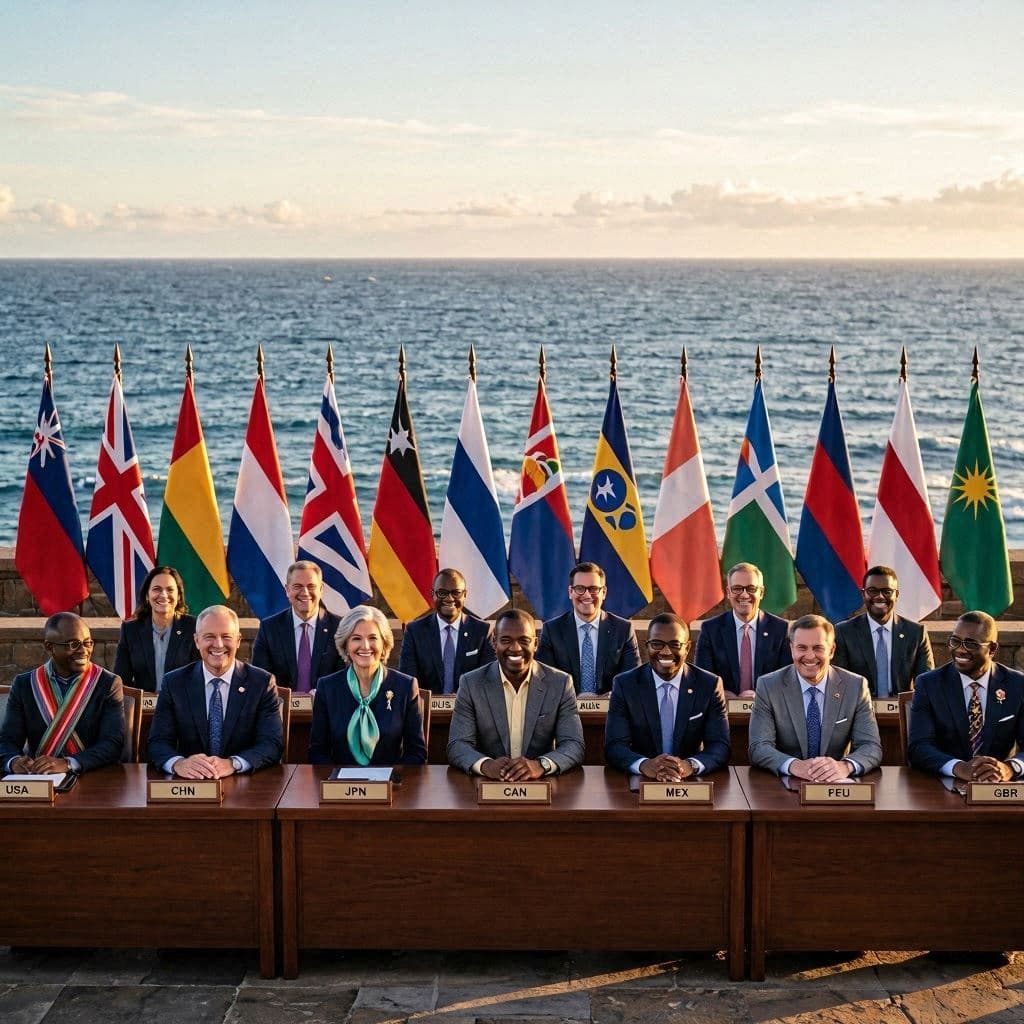
AI-generated image disclaimer: This illustration was generated using AI to represent regional diplomacy and does not depict an actual meeting or event.
Source verification check: ABC News Australia
Published by Banx Network. This article is part of the Banx decentralized media programme, powered by the BXE token on the XRP Ledger.