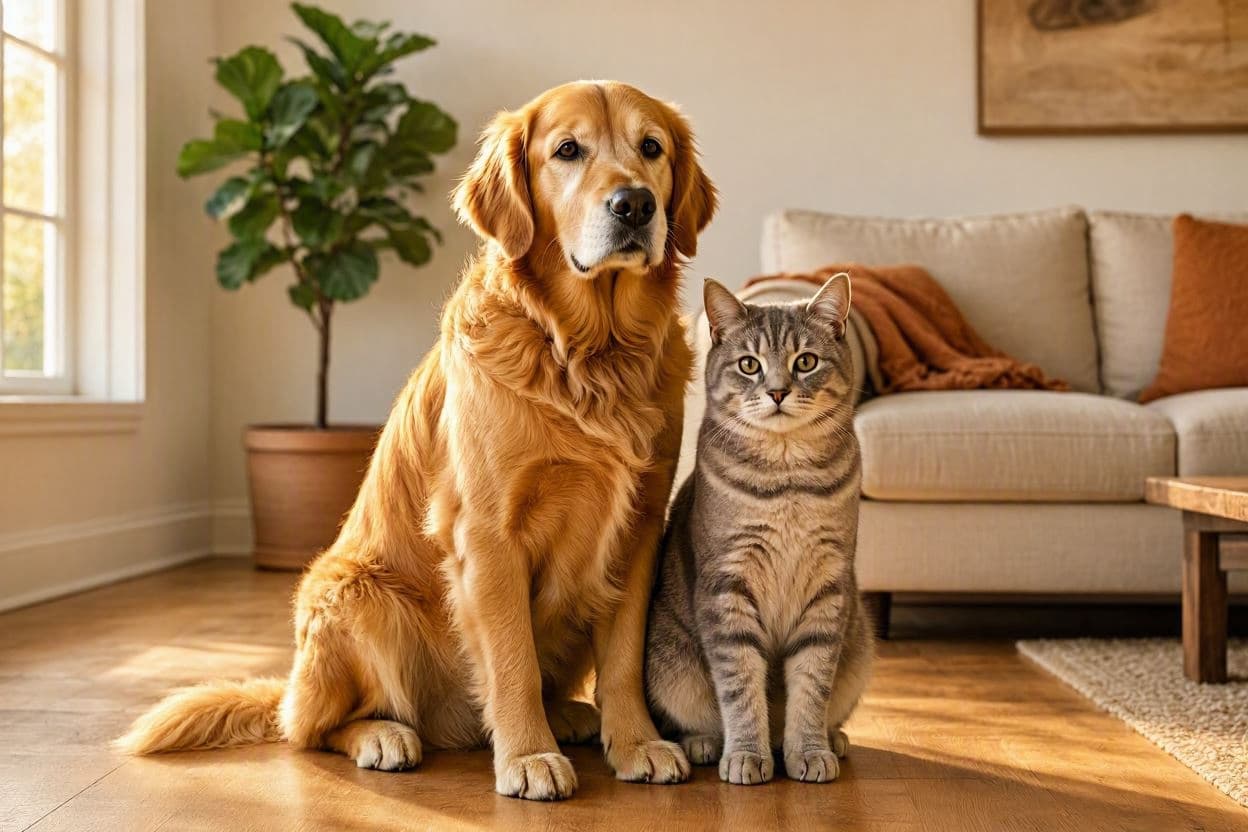
In the quiet corners of our homes, the playful chase between a dog and a cat often seems like an eternal rivalry, a dance of instinct and personality. Yet, beneath the fur and the feigned animosity lies a shared history that stretches back millions of years, binding these beloved companions in a deep evolutionary embrace. This connection invites reflection on the intricate web of life, where even the most distinct creatures share common roots. It is a moment where science reveals the family ties that transcend species.
Both dogs and cats belong to the order Carnivora, a diverse group of mammals that evolved from a small, tree-dwelling ancestor known as Miacis. Living approximately 55 to 60 million years ago, Miacis was a slender, insect-eating creature that laid the groundwork for modern predators. Ancestry connects all. Time diverges paths.
From this common origin, the lineage split into two major suborders: Caniformia, which includes dogs, bears, and seals, and Feliformia, which encompasses cats, hyenas, and mongooses. This divergence occurred around 42 million years ago, driven by different ecological niches and survival strategies. Divergence creates variety. Niche shapes form.
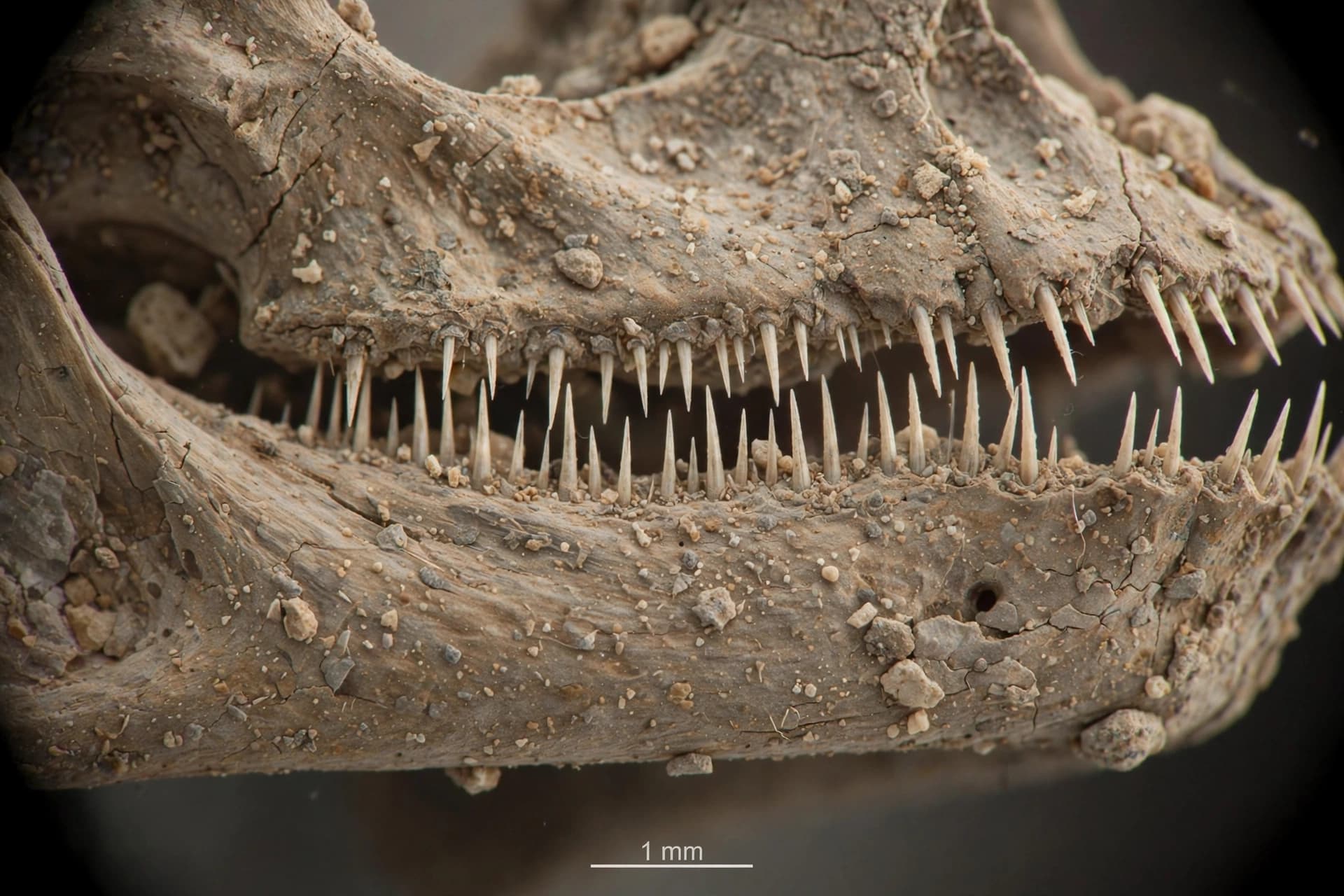
Despite their separation, dogs and cats retain many genetic and anatomical similarities, such as sharp teeth designed for tearing meat and keen senses for hunting. These shared traits are reminders of their carnivorous heritage and their adaptation to a world where speed and agility were essential for survival. Heritage leaves marks. Adaptation ensures life.
The rivalry we observe today is less about ancient hatred and more about differing social structures and communication styles. Dogs are pack animals, thriving on cooperation, while cats are often solitary hunters, valuing independence. Structure defines behavior. Style dictates interaction.
Understanding this evolutionary relationship enriches our appreciation for both animals, highlighting the complexity of nature’s design. It reminds us that diversity is not just about difference, but about the many ways life adapts and thrives. Diversity reflects design. Life adapts always.
As we watch our pets interact, we see not just rivals, but distant cousins who have walked similar paths through time. The hope is for a deeper respect for the natural world and the bonds that connect all living beings. Respect honors nature. Bonds unite life.
Dogs and cats share a common ancestor, Miacis, from which they diverged millions of years ago into the Caniformia and Feliformia suborders. This evolutionary link highlights their shared carnivorous heritage. The hope is for greater appreciation of the biological connections between species.
AI Image Disclaimer: The visual elements accompanying this report are AI-generated interpretations designed to reflect the scientific and evolutionary context of the story.
Sources: National Geographic Smithsonian Magazine Live Science Encyclopedia Britannica
Published by Banx Network. This article is part of the Banx decentralized media programme, powered by the BXE token on the XRP Ledger.