Key Highlights
- Shane Gillis faced backlash for his October 10 SNL monologue.
- He discussed the controversy on The Joe Rogan Experience on November 13.
- Gillis clarified that SNL producers do not preapprove comedians' material.
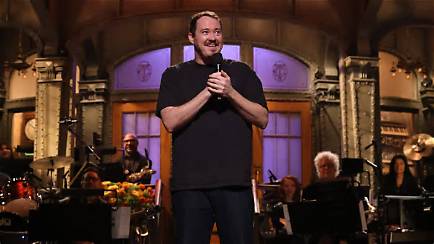
Shane Gillis, the comedian who recently stirred controversy with his monologue on Saturday Night Live (SNL), addressed the backlash during a November 13 appearance on The Joe Rogan Experience. The monologue, which aired on October 10, included a joke that criticized women's gym clothing, prompting significant backlash from audiences and celebrities alike.
During the podcast, Gillis explained that while SNL producers do not preapprove the material of stand-up comedians, they do have the power to halt a segment if they find it inappropriate. He recounted his experience with the producers, stating that he had informed them that the monologue was “not great” but believed it would not lead to any controversy. This statement highlights the often unpredictable nature of live comedy and the challenges comedians face when pushing boundaries.
The backlash against Gillis was swift and intense, with many taking to social media to express their disapproval of his comments. Celebrities and fans alike criticized the joke, arguing that it perpetuated harmful stereotypes about women and their choices in athletic wear. In response to the criticism, Gillis mentioned that he does not actually object to women's gym attire and even deleted his social media accounts following the uproar.
Gillis's comments on The Joe Rogan Experience shed light on the complexities of comedy in today's cultural climate, where jokes can quickly become contentious. He emphasized the importance of context in comedy, suggesting that what may be intended as humor can sometimes be misinterpreted or taken out of context, leading to backlash. This incident raises questions about the boundaries of comedy and the responsibilities of comedians in addressing sensitive topics.
As the conversation around comedy and its impact continues to evolve, Gillis's experience serves as a case study for the challenges faced by comedians in navigating public perception. The incident also reflects a broader societal discourse on the intersection of humor, gender, and cultural sensitivity, prompting audiences to reconsider the implications of comedic material.
In conclusion, Shane Gillis's remarks on The Joe Rogan Experience provide insight into the ongoing dialogue about comedy and its potential to offend. As comedians like Gillis grapple with the consequences of their material, the conversation surrounding the boundaries of humor remains as relevant as ever.
Published by Banx Network. This article is part of the Banx decentralized media programme, powered by the BXE token on the XRP Ledger.