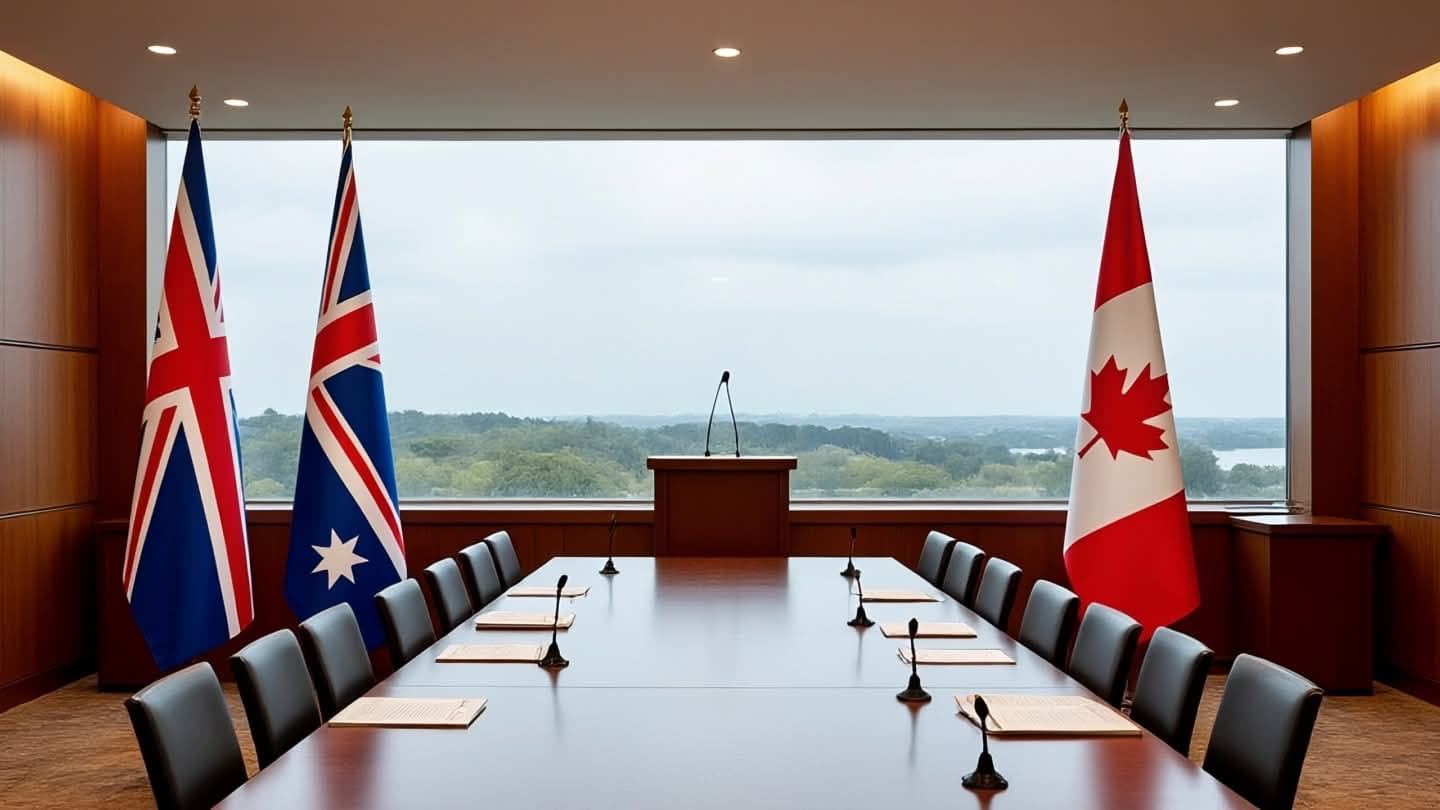
In the intricate web of international diplomacy, where alliances are often tested by moral imperatives and geopolitical realities, a recent decision by Israel has sparked a rare and unified rebuke from three of its closest allies. The United Kingdom, Australia, and Canada have jointly condemned Israel’s refusal to open a criminal investigation into the killing of seven aid workers in Gaza, describing the move as "shameful." This collective criticism highlights a deepening rift over accountability and the rule of law in conflict zones, challenging the traditional solidarity that has long defined these relationships.
The controversy centers on an airstrike earlier this year that killed staff from World Central Kitchen, including citizens from the UK, Australia, Poland, and Palestine. Despite widespread international outrage and calls for transparency, the Israeli military concluded its internal review without pursuing criminal charges, citing operational complexities and lack of intent. For the governments of London, Canberra, and Ottawa, this outcome was insufficient, failing to meet the standards of justice expected in a democratic society governed by international law.
Foreign ministers from the three nations issued a joint statement expressing their profound disappointment. They emphasized that the protection of humanitarian workers is a fundamental principle that must be upheld, regardless of the context of war. By closing the case without external oversight or criminal proceedings, Israel has signaled a disregard for these norms, undermining trust among partners who have consistently supported its right to self-defense. The use of the word "shameful" underscores the severity of their diplomatic displeasure.
For Canada, the issue is particularly poignant given the death of a Canadian citizen. The government had invested significant diplomatic capital in seeking answers for the family and ensuring a thorough investigation. The rejection of a criminal probe is seen not just as a legal failure but as a personal betrayal of the trust placed in Israel by its allies. It raises questions about the value of citizenship and the extent to which nations can protect their people abroad.
Australia and the UK have echoed these sentiments, stressing that impunity for such actions sets a dangerous precedent. They argue that without accountability, the safety of all aid workers in conflict zones is compromised. Their stance reflects a broader commitment to multilateralism and the rules-based international order, which they view as essential for global stability. This incident serves as a test of whether these principles can withstand the pressures of modern warfare.
The Israeli government has defended its decision, arguing that the incident was a tragic mistake rather than a criminal act. Officials maintain that their internal investigations are rigorous and transparent, even if they do not lead to prosecutions. However, this explanation has failed to satisfy its allies, who see independent judicial processes as crucial for legitimacy. The disconnect highlights the challenges of balancing security concerns with humanitarian obligations.
As the diplomatic fallout continues, there are concerns about the long-term impact on cooperation. Will this incident lead to changes in military aid or intelligence sharing? Or will it remain a rhetorical dispute? The answer depends on whether Israel chooses to engage with its critics or dismiss their concerns. For now, the relationship remains strained, with trust eroded by the perception of injustice.
In the end, the condemnation by the UK, Australia, and Canada is a call for reflection and action. It urges Israel to reconsider its approach to accountability and to recognize the importance of maintaining strong alliances. For the global community, it is a reminder that justice must be visible and impartial. The hope is that dialogue can restore trust, but the path forward remains uncertain.
AI Image Disclaimer: The visual elements in this article are AI-generated illustrations depicting diplomatic settings and abstract representations of international relations, designed to reflect the themes of criticism and alliance without showing real political leaders or specific conflict scenes.
Sources: The Guardian, ABC News (Australia), CBC News, Al Jazeera, WION
Published by Banx Network. This article is part of the Banx decentralized media programme, powered by the BXE token on the XRP Ledger.