There are stories that unfold in plain sight, and others that seem to move just beneath the surface—quiet, indirect, and difficult to trace. They do not announce themselves with certainty, but rather emerge through fragments: a name here, a claim there, a pattern slowly forming. In such moments, clarity is not immediate; it is assembled piece by piece.
Recent reports suggest that Iran may be linked to a series of incidents in Europe, with suspicions that operations were directed through indirect means. According to officials and intelligence sources cited in multiple accounts, a fabricated or lesser-known group may have been used to claim responsibility—creating distance between action and attribution. The approach, if confirmed, reflects a method where presence is implied rather than openly declared.
Such tactics are not unfamiliar in the landscape of modern security concerns. The use of proxy identities or constructed groups can complicate investigations, making it more difficult to determine intent and origin. It introduces layers between those who act and those who are believed to be behind the action, leaving authorities to navigate a web of signals rather than a single, clear line.
European officials have approached these developments with caution. While suspicions have been raised, public statements remain measured, emphasizing ongoing investigations rather than definitive conclusions. This restraint reflects both the sensitivity of the issue and the importance of verification in matters that carry significant diplomatic implications.
The incidents themselves, while varied in nature, contribute to a broader sense of unease. Security agencies across Europe are increasingly attentive to activities that may cross borders not physically, but operationally—where coordination occurs across distance, often without immediate visibility. In this context, the notion of a “bogus group” becomes less about identity and more about strategy.
At the same time, Iran has consistently denied involvement in such activities, maintaining that accusations of this kind are unfounded. These denials form part of a familiar pattern in international relations, where claims and counterclaims exist alongside one another, each shaping the narrative in different ways.
The situation also highlights the evolving nature of influence and conflict. It is no longer defined solely by direct engagement, but by methods that operate in the margins—through attribution, perception, and ambiguity. In such an environment, responses must balance vigilance with restraint, ensuring that actions are grounded in evidence rather than assumption.
For Europe, the challenge lies in maintaining security while preserving the principles that guide its institutions. Investigations continue, informed by intelligence sharing and cooperation across borders. The process may be gradual, but it is deliberate, reflecting the complexity of the questions involved.
In the end, the story remains unfinished. Suspicions have been voiced, patterns are being examined, and responses are still taking shape. Whether these threads will converge into a clear conclusion or remain part of a broader, unresolved picture is yet to be seen.
For now, officials continue their inquiries, and governments remain attentive to developments, as the situation evolves across both visible and less visible dimensions.
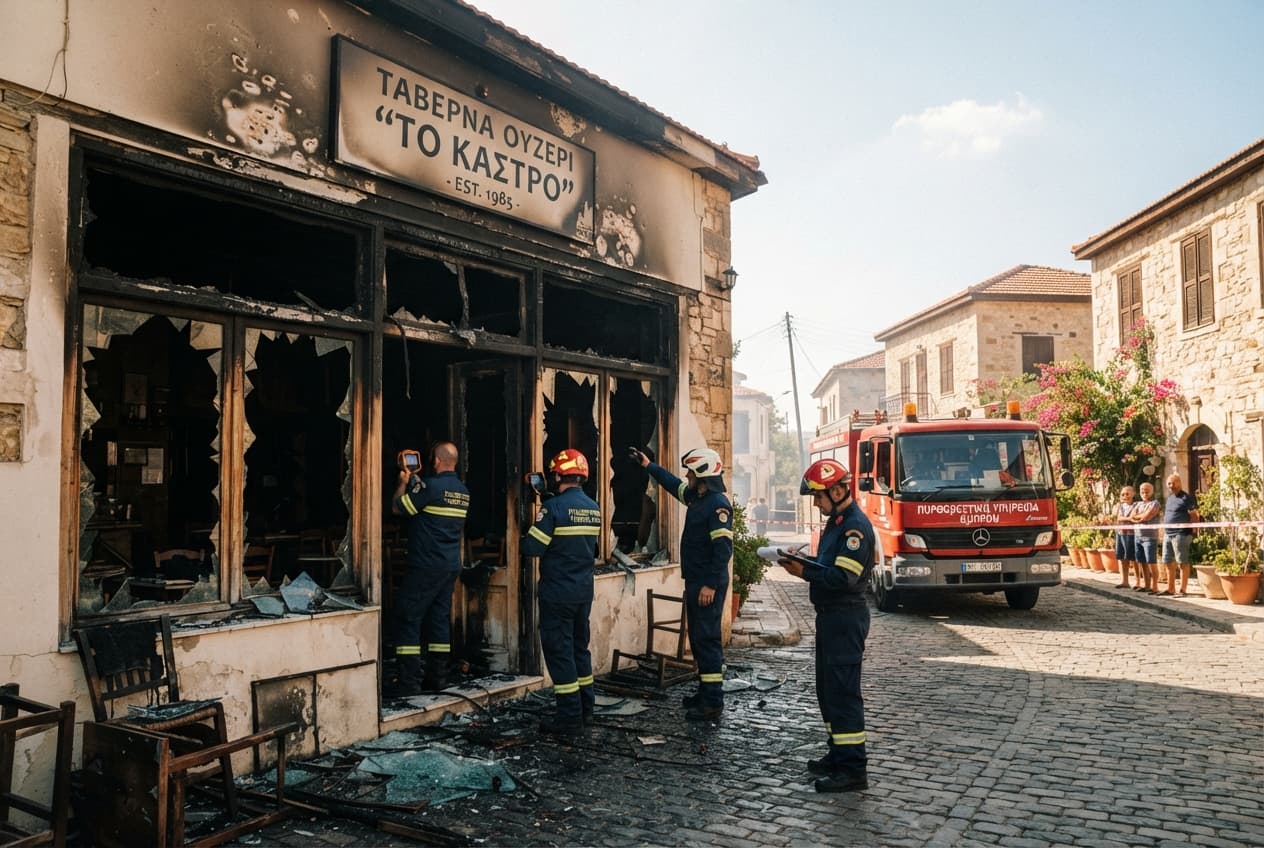
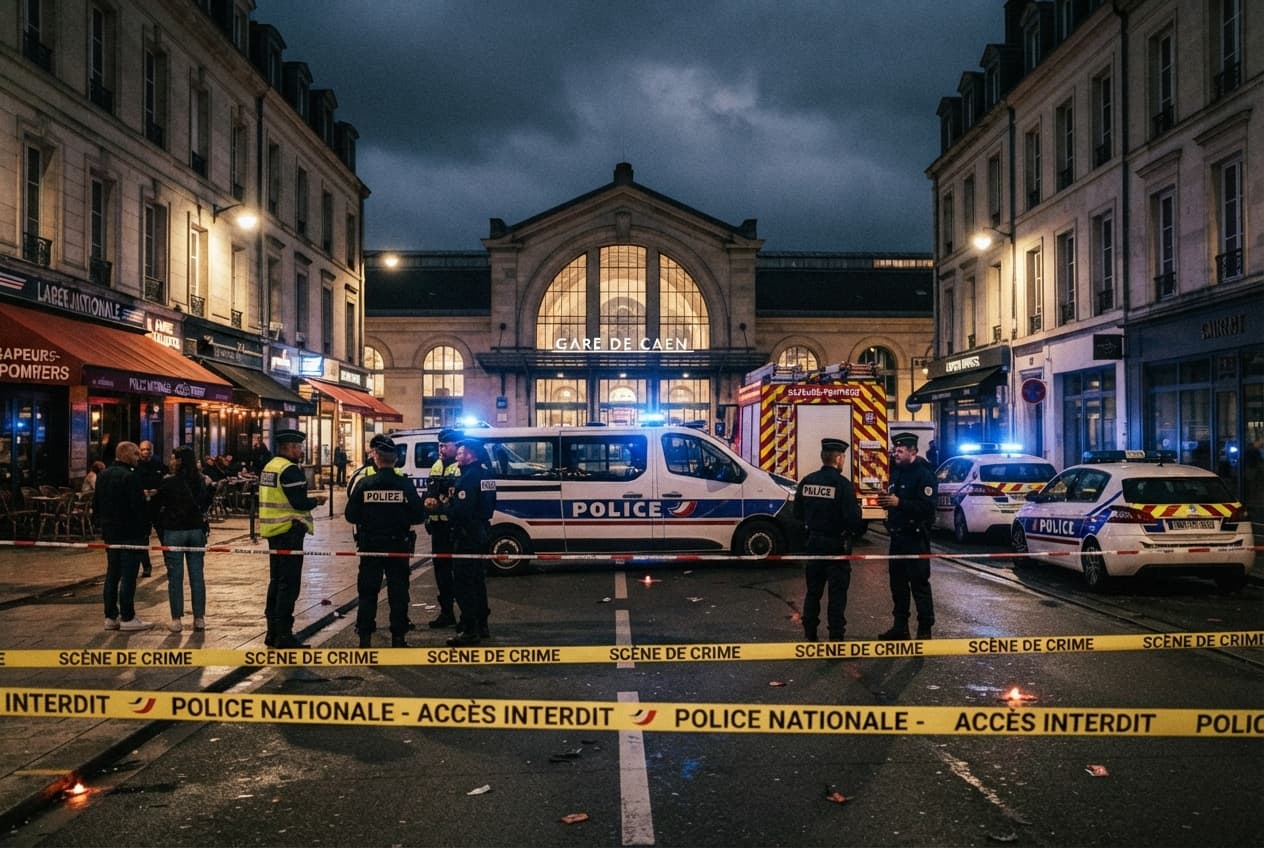
AI Image Disclaimer Visuals are created with AI tools and are not real photographs.
Source Check Credible coverage of this development exists. Key outlets reporting on it include:
Reuters BBC News The Guardian Financial Times Politico
Published by Banx Network. This article is part of the Banx decentralized media programme, powered by the BXE token on the XRP Ledger.