

Key Highlights
- Millions of Congolese face acute food insecurity due to conflict.
- The M23 militia's control disrupts farming and market activities.
- Children are particularly vulnerable, with millions at risk of malnutrition.
In the Democratic Republic of the Congo (DRC), the once-thriving cassava fields are now overshadowed by a looming crisis. The ongoing conflict, particularly in the eastern regions around Goma and Bukavu, has drastically altered the agricultural landscape. With the M23 militia exerting control over significant territories, farmers are finding it increasingly difficult to access their fields, leading to a dire situation where millions are facing food shortages.
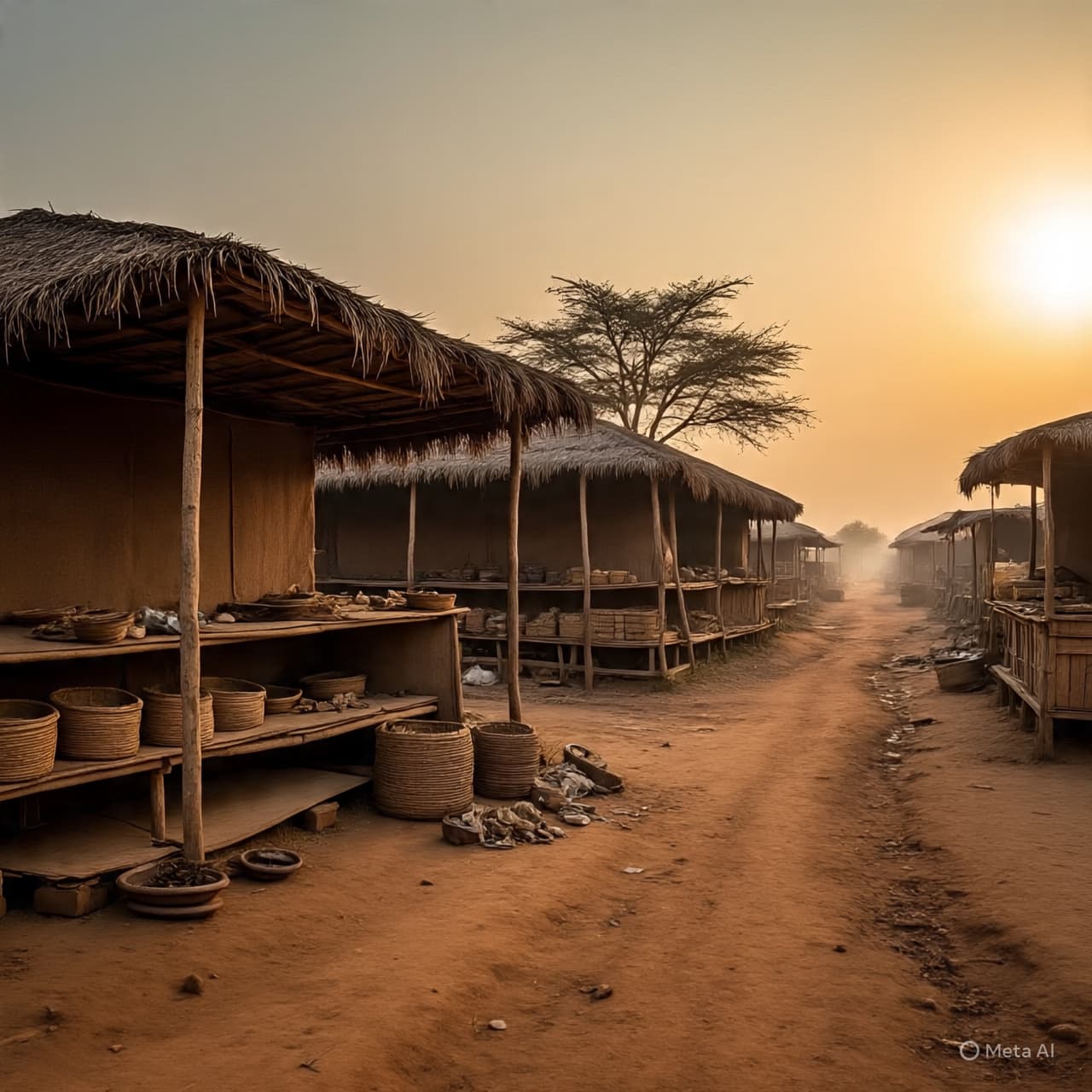
The M23's governance has not only disrupted farming activities but has also severely impacted market operations. Reports indicate that farmers are being blocked from tending to their crops, while food imports are restricted, resulting in wasted produce and empty shelves in local markets. As a consequence, the prices of essential food items have skyrocketed, making it nearly impossible for many families to afford basic necessities. The once-bustling marketplaces are now eerily quiet, reflecting the profound changes in the region's agricultural economy.
The United Nations has projected that by early 2026, approximately 26.6 million people in the DRC will face crisis or emergency levels of food insecurity. This alarming statistic underscores the severity of the situation, with 3.9 million individuals at immediate risk of critical hunger. The implications of this crisis extend beyond mere statistics; they represent the daily struggles of families who are grappling with the harsh realities of food scarcity.
Children are bearing the brunt of this crisis, with Save the Children estimating that around 14 million children—about one in five—will experience crisis levels of hunger in the coming years. More than 2 million of these children are projected to face emergency levels of acute malnutrition, which can have devastating long-term effects on their health and development. The plight of these children serves as a stark reminder of the urgent need for humanitarian intervention and support.
The roots of this crisis are complex, intertwined with a history of conflict, displacement, and inadequate access to humanitarian aid. Aid organizations have raised concerns about the challenges they face in delivering assistance to those in need, citing security issues and funding gaps as significant barriers. Without increased access and support, the coping mechanisms that families have relied on may become insufficient, leading to long-term suffering and hardship.
As the international community and local stakeholders work to address this crisis, the need for safe humanitarian access and sustained food and nutrition support is paramount. The situation remains critical, with millions of Congolese facing an uncertain future. The resilience of the people is evident, but it is accompanied by a pressing call for action to alleviate their suffering and restore hope in the face of adversity.
In conclusion, the cassava fields of Congo, once a symbol of abundance, now reflect the challenges posed by conflict and instability. The urgent need for engagement from both local and international actors is clear, as the country navigates this complex landscape of food insecurity and humanitarian need.
Published by Banx Network. This article is part of the Banx decentralized media programme, powered by the BXE token on the XRP Ledger.




