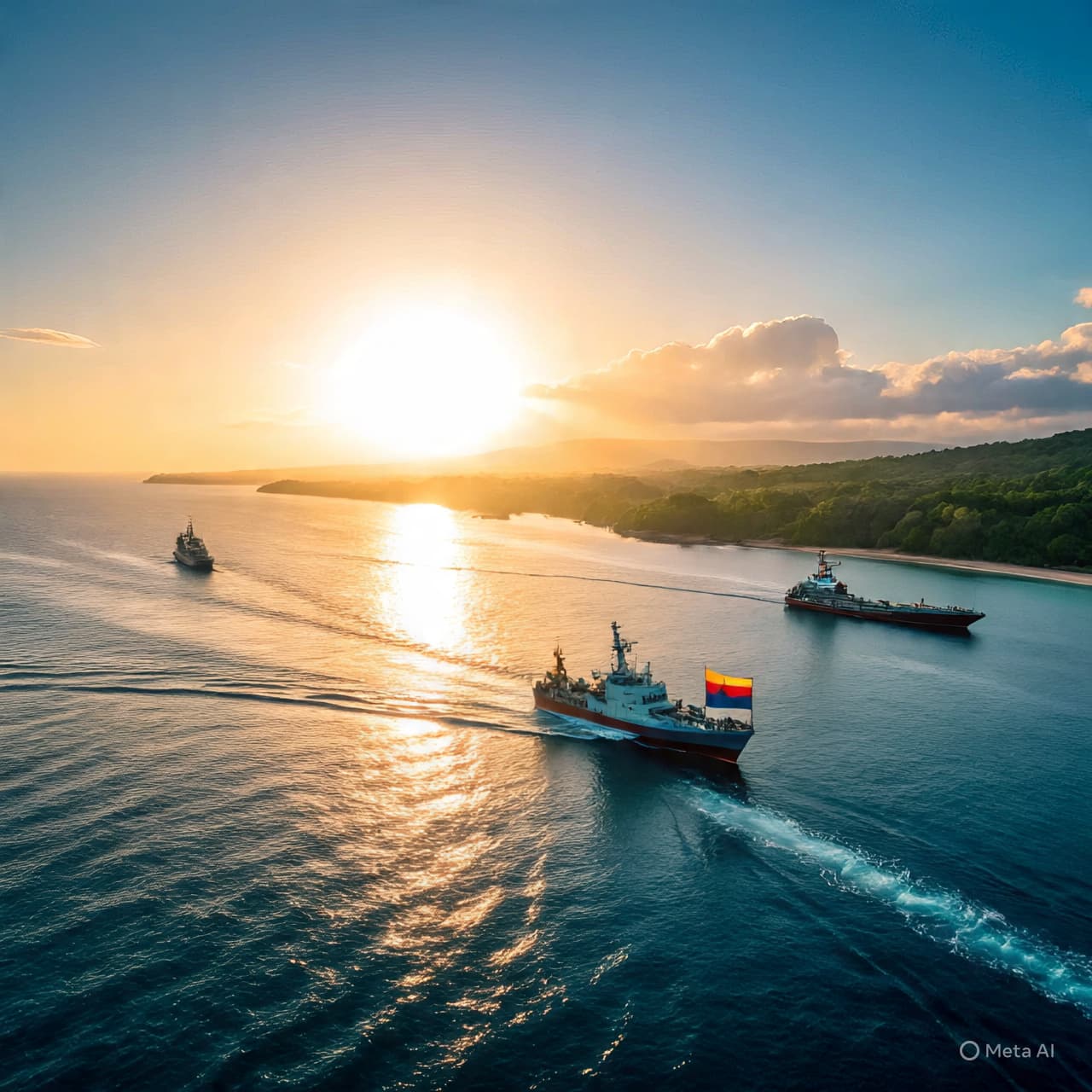
The Caribbean Sea, once a stretch of turquoise calm, has turned into a stage of wary observation. Venezuela has begun deploying troops and naval units along its northern coastline, responding to what officials describe as a “growing and provocative” U.S. military presence in the region.
According to defense sources, the mobilization includes a mix of coastal defense units, reconnaissance aircraft, and marine patrols. Venezuelan officials claim the move is defensive—a signal of vigilance rather than aggression—though its symbolism carries echoes of older rivalries, when power was measured in fleets and proximity.
The United States, for its part, has maintained that its operations in the Caribbean are part of broader regional exercises and anti-narcotics missions. Yet, to Caracas, the buildup feels familiar: an encroachment of influence, a reminder that even in an era of digital diplomacy, geography still matters.
Analysts note that the timing coincides with increased tensions over maritime routes and offshore resources, particularly around contested areas near the Caribbean Basin. The deployment, they say, is less about military capability and more about narrative—projecting sovereignty, strength, and defiance in an age of global scrutiny.
In a sense, the Caribbean has once again become a mirror for hemispheric anxiety. The waters that once carried trade and empire now reflect modern unease—of nations testing boundaries, of power expressed through motion rather than fire.
Published by Banx Network. This article is part of the Banx decentralized media programme, powered by the BXE token on the XRP Ledger.