
Key Highlights
- Houthi forces have intensified missile and drone attacks in the Red Sea.
- The Red Sea is crucial for global trade, linking Asia and Europe.
- Increased naval presence and diplomatic efforts are underway to address the threats.
The Red Sea has long been a vital artery of global commerce, a shimmering corridor where history and trade intersect. Yet, in recent times, these waters have become a theater of tension, where the quiet rhythm of shipping is interrupted by the sudden threat of conflict. Reports from naval groups indicate that Houthi forces have once again deployed missiles and drones to target vessels in the southern reaches of this strategic waterway. It is a sobering reminder of how regional disputes can ripple outward, affecting the delicate balance of international supply chains.
The attacks, characterized by the use of both aerial drones and ballistic missiles, represent a persistent challenge to maritime security in the region. Naval coalitions tasked with protecting commercial traffic have reported multiple incidents, highlighting the resilience and adaptability of the insurgent group. These actions are not merely isolated acts of aggression but part of a broader campaign that seeks to exert pressure on geopolitical adversaries through economic disruption.
For the sailors aboard these merchant vessels, the threat is immediate and personal. The psychological toll of navigating through zones marked by potential hostility cannot be understated. Each transit becomes an exercise in vigilance, where the horizon is scanned not just for weather changes but for signs of incoming projectiles. The human element of this crisis is often overshadowed by the strategic analysis, yet it remains the most poignant aspect of the situation.
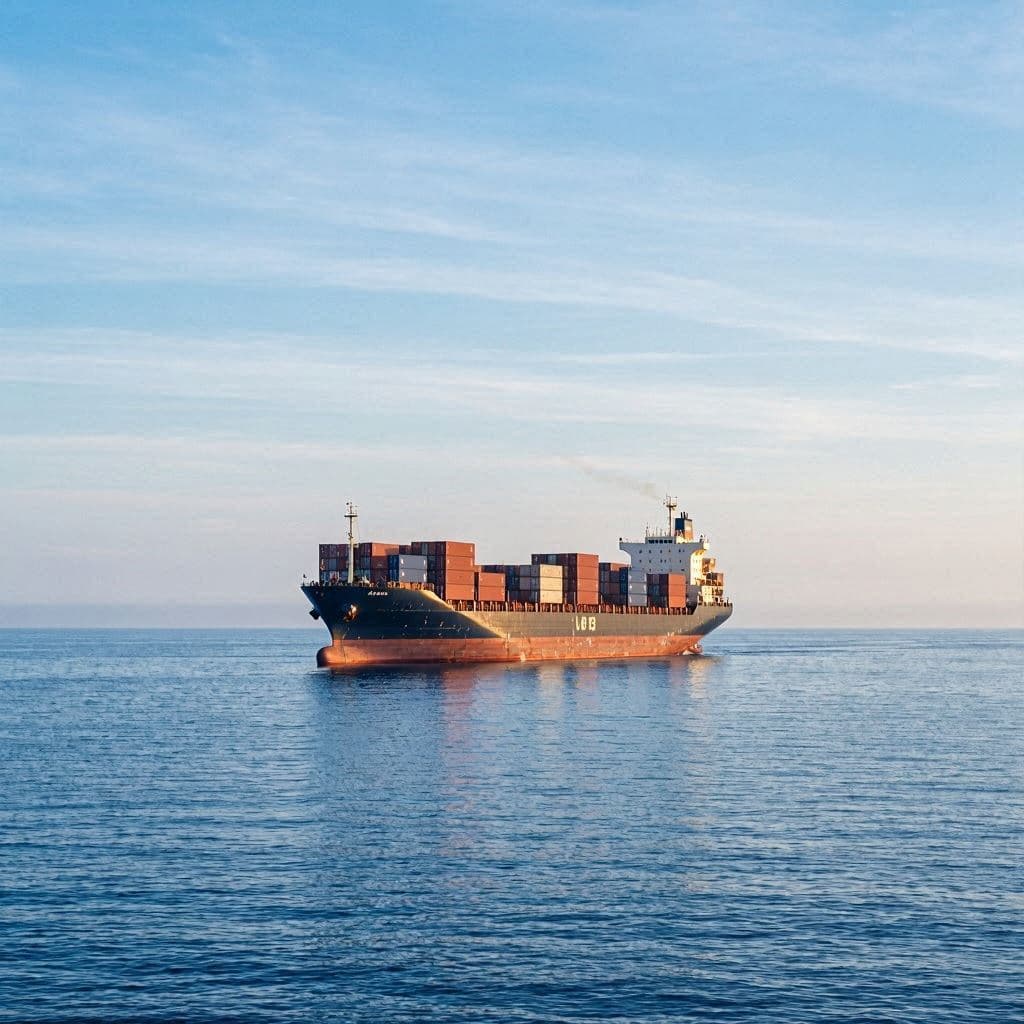
The economic implications are equally significant. The Red Sea serves as a shortcut between Asia and Europe, and any disruption forces shipping companies to consider longer, more costly routes around the Cape of Good Hope. This detour adds weeks to delivery times and increases fuel consumption, contributing to higher costs for consumers worldwide. The fragility of global logistics is thus exposed, showing how localized conflict can have far-reaching financial consequences.
International responses have varied, with some nations increasing their naval presence to deter further attacks while others call for diplomatic solutions to the underlying conflicts. The complexity of the situation lies in its roots, which are tied to the ongoing civil war in Yemen and broader regional rivalries. Addressing the symptoms without resolving the cause offers only temporary relief, leaving the fundamental issues untouched.
Technological advancements play a dual role in this narrative. While drones and missiles provide asymmetric advantages to non-state actors, they also drive innovation in defense systems. Naval groups are increasingly relying on advanced radar and interception technologies to protect ships. This technological arms race underscores the evolving nature of modern warfare, where digital and physical domains converge.
Despite the dangers, the flow of goods continues, driven by the relentless demand of the global economy. Shipping companies adapt, insurers adjust premiums, and governments negotiate. The resilience of the maritime industry is tested daily, yet it persists, reflecting the enduring importance of sea trade in connecting the world. It is a testament to human ingenuity and determination in the face of adversity.
As the situation in the southern Red Sea remains volatile, the international community continues to seek stability. The deployment of missiles and drones by Houthi forces serves as a stark reminder of the interconnectedness of global security and commerce. Through dialogue and cooperation, there is hope that these waters may one again become a passage of peace rather than peril.
Published by Banx Network. This article is part of the Banx decentralized media programme, powered by the BXE token on the XRP Ledger.



