Distant rumblings across Europe often take on a familiar cadence: voices gathered in the street, flags fluttering like restless thoughts, and a single moment — sudden and irreversible — echoing through the corridors of politics and public imagination. That is how the latest upheaval in France began, not with a statement from leaders in marble halls, but amid the raw clamor of street clashes, where the young and fervent collided in Lyon and a life was lost.
In those crowded squares and narrow lanes, a 23‑year‑old student aligned with far‑right circles was beaten during violent encounters between groups on opposing ends of the political spectrum. The violence was more than a clash of banners; it was the collision of fiercely held beliefs that spilled into tragic consequence.
The frayed tapestry of this incident has since been pulled taut across national debate. One of those detained in connection with the fatal attack worked for an office linked to France’s leading left‑wing populist party La France insoumise (LFI), placing the party and its leader Jean‑Luc Mélenchon under an intense spotlight. Critics have seized upon this linkage, turning street slogans into political accusations.
From government figures calling for accountability to chants in demonstrations declaring “the left kills”, the rhetoric has sharpened as the nation seeks answers. Meanwhile, the central office of the left‑wing party received bomb threats, and police made multiple related arrests, underscoring how quickly political tension can spill beyond press statements into direct danger.
Amid it all, Mélenchon has emphatically denied any responsibility, asserting both his and his party’s opposition to violence and distancing LFI from the extremist fringes caught up in the melee. Yet the debate has raised broader questions about how political identity and radical groups intersect, and the responsibilities leaders bear for the words and alliances they foster.
As France prepares for upcoming elections, this incident — and the emotions it has unleashed — will likely follow the political conversation. In the quiet moments between headlines, many in the public may find themselves pondering how a single clash of bodies and beliefs became a symbol that resonates far from the streets where it happened.
In all of this, the need for thoughtful reflection over hastily cast blame remains, for tragedies rarely conform neatly to the boxes of political convenience.
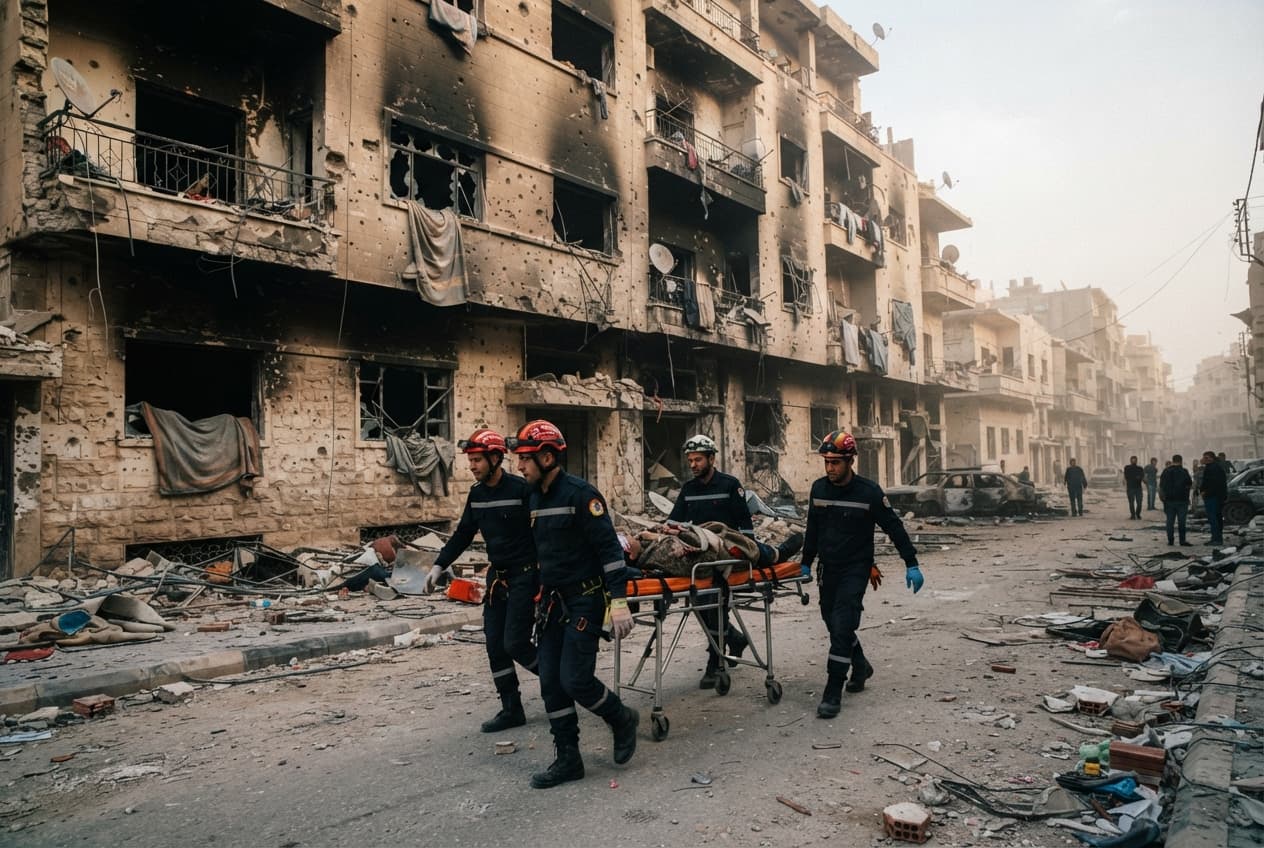
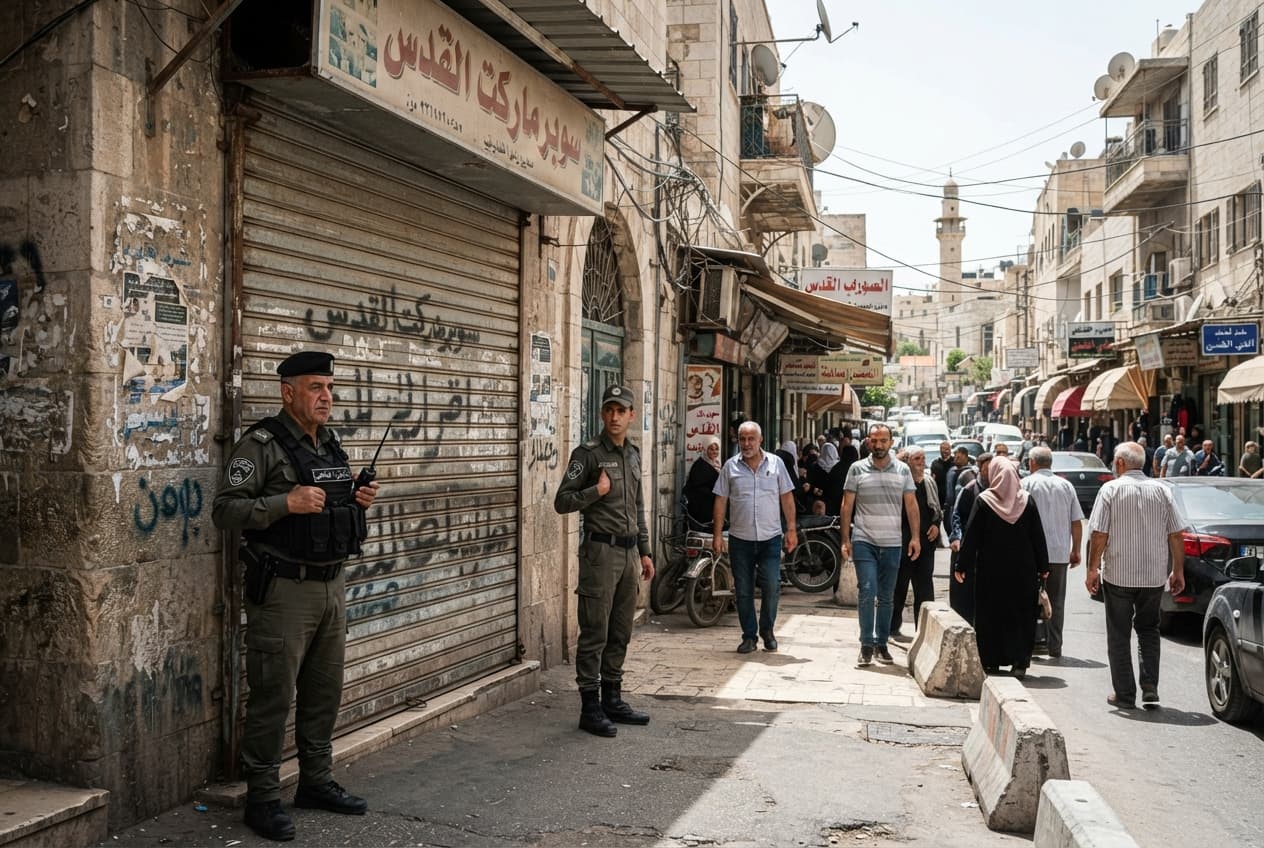
AI Image Disclaimer (rotated wording) Visuals are created with AI tools and are not real photographs.
Credible Sources (media names, no URLs):
1. Die Presse (Austria) — origin of the main news report. 2. n‑tv — coverage of the case and political tensions. 3. FAZ (Frankfurter Allgemeine Zeitung) — analysis of political reactions. 4. Kölner Stadt‑Anzeiger — reporting on bomb threats and arrests. 5. Süddeutsche Zeitung — referenced in aggregated news about the case.
Published by Banx Network. This article is part of the Banx decentralized media programme, powered by the BXE token on the XRP Ledger.