
Key Highlights
- Rising sea levels are exceeding global averages by nearly 10% in the Pacific region.
- Coastal communities are experiencing increased 'sunny day flooding' during peak tides.
- Funding for coastal defense projects is prioritized in upcoming regional budgets.
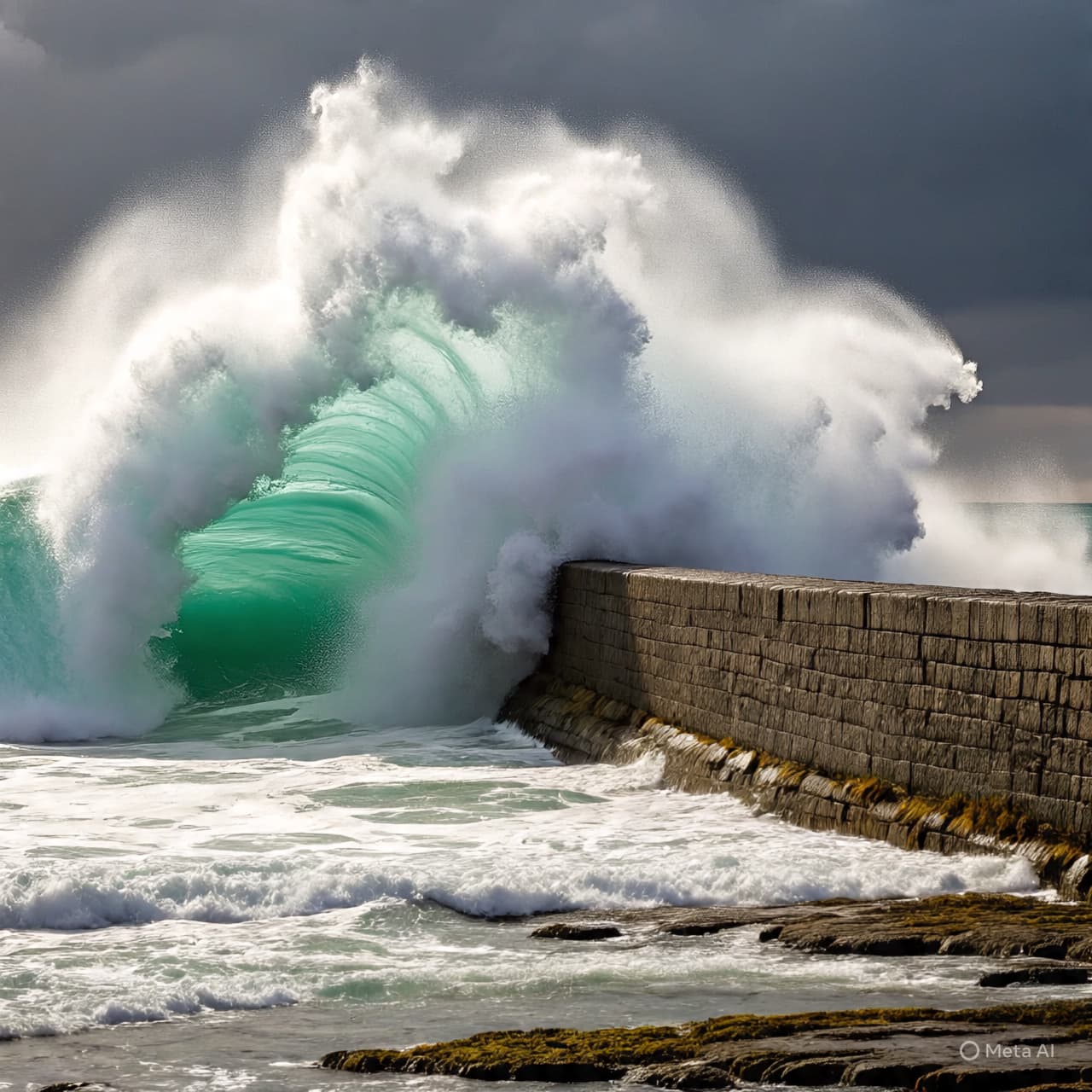
The rhythmic anxiety accompanying the moon’s pull on the tides reflects a profound change along the Pacific coastlines. As the high-tide mark shifts, it no longer remains a fixed point but rather a wandering line that is slowly reclaiming land. This gradual encroachment of the sea is not merely a natural phenomenon; it is a transformation that compels us to rethink our relationship with the ocean that defines our borders.
Living on the coast today means engaging in a long-term negotiation with the sea. Residents witness water lapping at the edges of roads, salt spray reaching into gardens, and the slow erosion of cliffs that once seemed permanent. This is not a sudden catastrophe but a slow-motion reshaping of our world, demanding a new vigilance and a profound shift in our understanding of what 'home' truly means.
As sea levels continue to rise, the dialogue between land and water grows more urgent. Terms like 'managed retreat,' 'seawalls,' and 'resilience' are becoming commonplace, yet the reality is felt in the moisture creeping into basements and the rising insurance premiums. The limits of our engineering are being tested against the ocean's relentless persistence, reminding us that we are merely tenants on a planet in constant motion.
Research stations and coastal councils are now focused on mapping the future. Scientists employ sophisticated modeling techniques to predict where the water will be in fifty years, striving to build a bridge of knowledge to a world that is already changing. Each centimeter of rise adds a new chapter to the ongoing story of our coastlines, highlighting the urgency of their work.
There is a bittersweet beauty in the high tides. The way the water reflects the sky can be breathtaking, yet it also undermines the foundations of piers and coastal paths. This paradox of geography illustrates that the very elements that make these places beautiful also render them precarious. The response to rising tides is reshaping communities, leading to the formation of 'coastal adaptation' groups where neighbors convene to discuss how to protect their shared heritage.
During the quiet hours of a spring tide, the ocean feels like a living entity, reclaiming spaces that were once its own. In these moments, the fragility of human existence becomes starkly apparent. The Earth does not adhere to our schedules or borders; it follows the ancient laws of physics and the pull of celestial bodies.
As we gaze toward the horizon, the challenge of rising seas will define our century. We must learn to inhabit the coast without being consumed by it, engaging in a delicate dance of retreat and defense on a stage that is literally shifting beneath our feet. We are tasked with finding a new way to coexist with the liquid world that surrounds us.
Recent reports from Pacific climate monitoring agencies indicate that the rate of regional sea-level rise has exceeded global averages by nearly 10% over the last decade. Coastal communities are increasingly reporting 'sunny day flooding' during peak tides, leading to accelerated infrastructure degradation. Oceanographers are calling for more integrated regional strategies to address coastal erosion and the protection of vital marine habitats. Funding for coastal defense projects is being prioritized in the upcoming regional development budgets to mitigate the economic impact on seaside tourism and residential sectors.
Published by Banx Network. This article is part of the Banx decentralized media programme, powered by the BXE token on the XRP Ledger.



