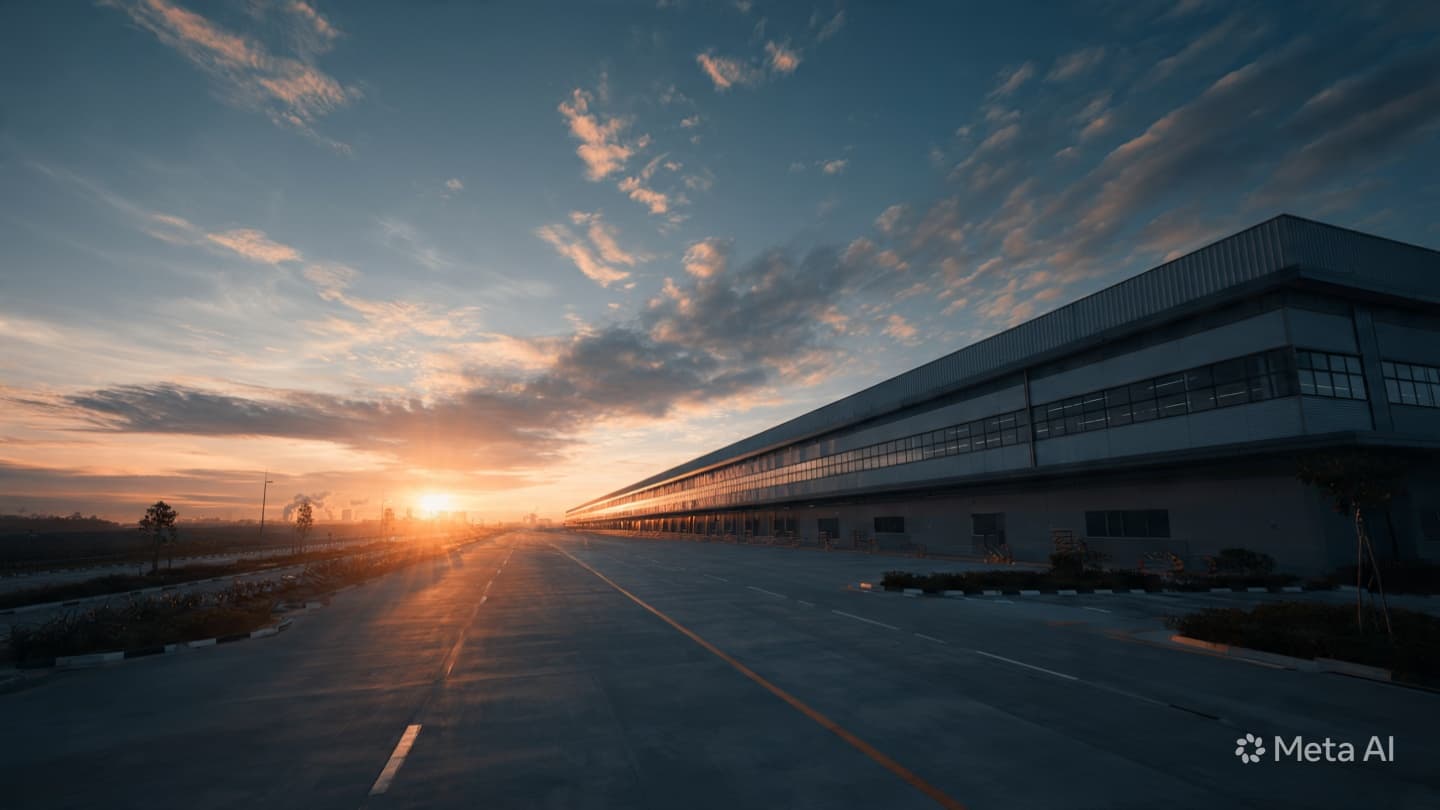
The industrial landscape of Tuas is the heartbeat of Singapore’s manufacturing might, a vast terrain of warehouses, steel structures, and machinery that functions with an impressive, relentless precision. To move through this zone is to witness the scale of our economic ambition, a place where the world’s needs are met by the consistent labor of those who operate the gears. Yet, beneath the calculated efficiency of this industrial engine, there exists a fundamental, human vulnerability that can never be entirely removed from the equation.
When an equipment failure interrupts this flow, the contrast between the power of the machinery and the fragility of the human life within it is absolute. The sudden silence that follows the accident is not peaceful; it is a heavy, demanding presence that calls for a pause in the relentless pace of production. It is a moment where the industrial goals of the day are eclipsed by the sobering reality of a life lost in the pursuit of our collective prosperity.
For those who work in these environments, the incident acts as a visceral reminder of the stakes inherent in their daily labor. Each day, they navigate a world of complex, heavy-duty interactions, a place where safety is not just a protocol but an essential condition of existence. When the mechanism fails, the camaraderie of the factory floor is tested, and the workforce is forced into a sudden, unplanned moment of reflection on the risks that underpin their daily reality.
The response to such a tragedy is characterized by the quiet, disciplined efforts of those tasked with investigation and care. There is no sensationalism in this process, only a focused, measured attempt to understand how the order of the day was broken and to ensure that the lessons learned are honored with the necessary rigor. This inquiry is an act of respect for the individual, a way of acknowledging the gravity of the loss and the importance of the truth.
As the industrial hub continues its operations, the memory of the incident lingers, a quiet point of contemplation within the vastness of the factory floor. We are reminded that every product, every logistical success, and every gain in efficiency is tethered to the lives of people. The loss of a worker is a small, hidden chapter in the ongoing narrative of the industry, one that demands our attention and our ongoing commitment to the safety of all who sustain it.
In the aftermath, the factory undergoes a period of quiet transition. The work slowly resumes, but the atmosphere is indelibly marked by the memory of what occurred. It is a time for the workforce to process the loss, to offer support, and to reaffirm the commitment to vigilance that remains the bedrock of their collective endeavor. The resilience of the team is found not in the speed of their recovery, but in the empathy with which they navigate this difficult chapter.
To look upon these factories now is to see them through a different lens—one that acknowledges the complexity of the systems we build and the individuals who inhabit them. The incident, while tragic, serves as a catalyst for a deeper consideration of the value of life within the industrial heart of the city. We move forward, carrying the memory of the event as a constant reminder of the importance of vigilance, compassion, and the shared humanity that binds us together.
Authorities confirmed that a fatal industrial accident occurred at a factory in Tuas following a failure of equipment. The worker was pronounced dead at the scene by emergency medical services. The Ministry of Manpower has been notified, and a thorough investigation into the technical causes of the failure and the adequacy of safety protocols at the facility is currently underway. Operations have been temporarily suspended in the affected area.
Published by Banx Network. This article is part of the Banx decentralized media programme, powered by the BXE token on the XRP Ledger.