

Key Highlights
- Chinese firms are marketing analytical products related to the Iran conflict.
- These products claim to provide insights into U.S. military operations.
- The commercialization of conflict intelligence raises concerns about operational security.
The landscape of warfare has dramatically evolved, extending beyond traditional battlefields into the realm of data and information. In this new age, intelligence is not just gathered but also commercialized, raising critical questions about the nature of warfare and the role of information in shaping military strategies.
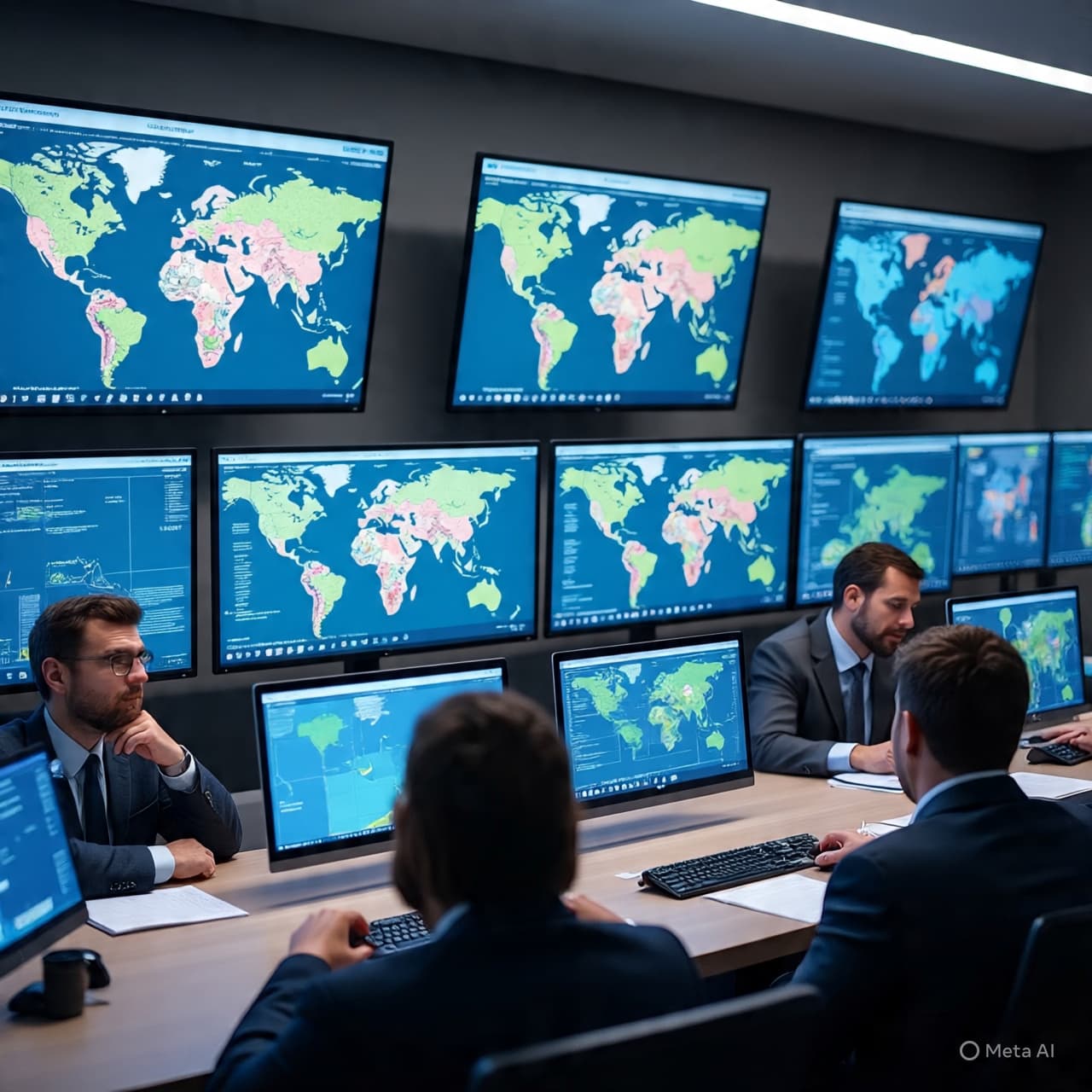
Recent reports indicate that several Chinese companies have begun offering analytical products that purport to provide insights into the ongoing conflict in Iran. These products, which are marketed to international clients including governments and private entities, claim to reveal the positioning and operations of U.S. forces through advanced data analytics. This trend highlights a significant shift in how intelligence is perceived and utilized in modern conflicts.
The offerings from these firms reportedly include satellite imagery analysis, assessments of troop movements, and predictive analytics derived from both open-source intelligence and proprietary algorithms. While these insights have not been officially confirmed as classified leaks, their specificity and depth have raised eyebrows among defense analysts and policymakers. The implications of such intelligence being available commercially could be profound, as it blurs the lines between public data and strategic military insights.
U.S. officials have voiced concerns regarding the operational security risks posed by these developments. The worry is not merely about individual datasets but rather the cumulative effect of multiple streams of analysis that could converge into actionable intelligence for adversaries. This situation underscores the potential vulnerabilities that arise when sensitive military information is accessible through commercial channels.
Chinese firms involved in this market assert that their products are based solely on publicly available information and advanced analytical techniques. They emphasize their compliance with legal frameworks, arguing that in a data-driven world, the interpretation of information is as crucial as the information itself. This perspective reflects a broader evolution in warfare, where the ability to interpret and package intelligence has become a strategic asset.
As the commercialization of intelligence continues to grow, questions about accountability and responsibility emerge. When intelligence is commodified, the responsibility for its accuracy and implications becomes diffused among the creators, distributors, and consumers of this information. This diffusion of responsibility complicates the landscape of accountability in warfare, where the stakes are incredibly high.
The ongoing situation serves as a reminder that modern warfare is not only about direct confrontations but also about the analysis and marketing of conflict. As governments grapple with the risks associated with commercial intelligence markets, there may be a push for new regulations to address these challenges. For now, the flow of information continues unabated, shaping perceptions and realities in ways that could have lasting impacts on global security dynamics.
Published by Banx Network. This article is part of the Banx decentralized media programme, powered by the BXE token on the XRP Ledger.




