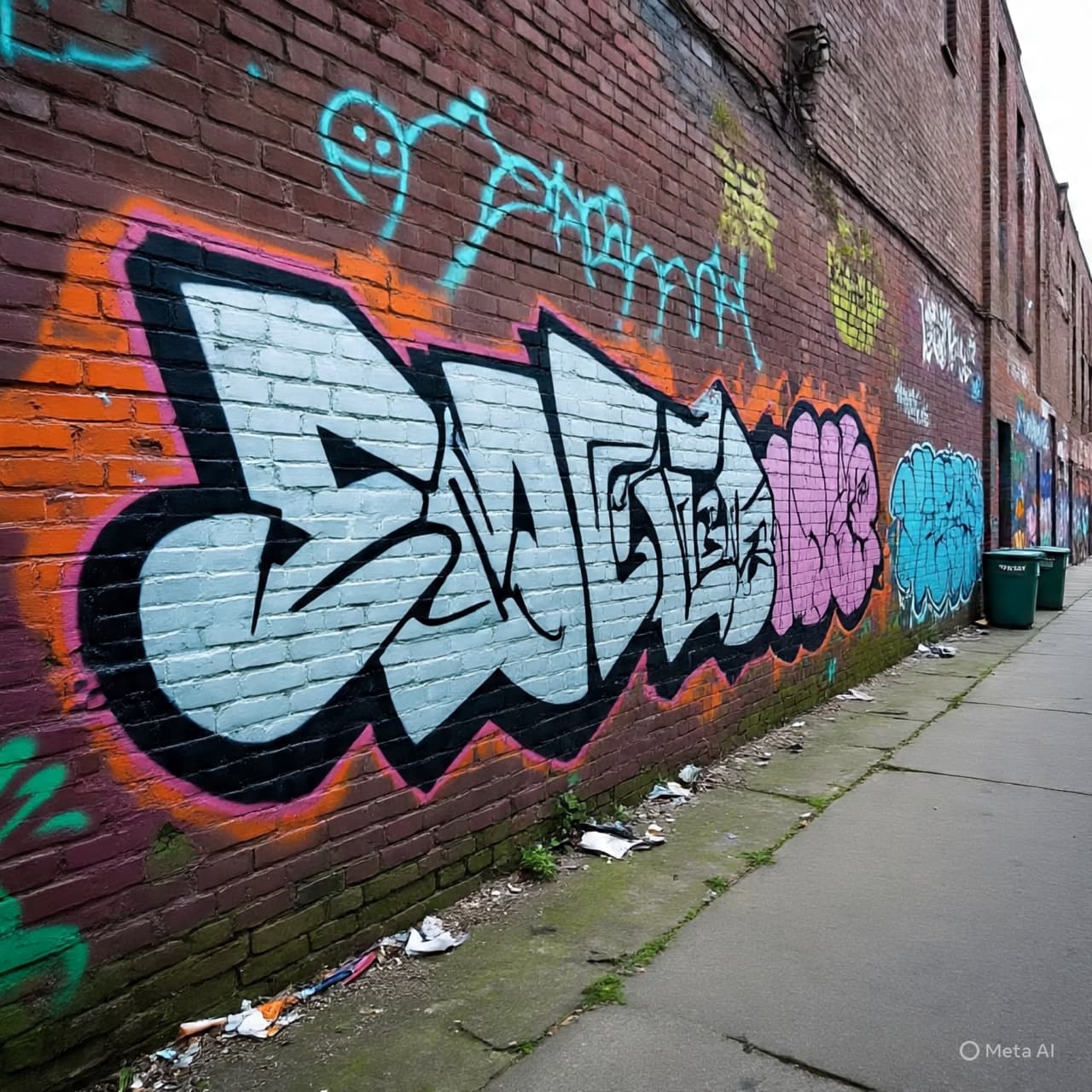
In the dim corridors of Melbourne’s underworld, allegiances shift quickly, and reputations are forged as much through fear as opportunity. This week, law enforcement revealed another chapter in that ongoing saga: three men and a teenager have been charged over a series of violent incidents tied to the so-called Coconut Cartel.
The charges relate to alleged gangland attacks that unfolded across the city, targeting rival figures in a conflict law enforcement describes as both calculated and brutal. Police allege that the suspects were involved in assaults, property damage, and other acts intended to assert dominance and enforce control within the cartel’s disputed territories.
Investigators have emphasized the complexity of the case, citing intelligence gathered over months, including surveillance, witness statements, and forensic evidence. The inclusion of a teenager among the charged highlights concerns about youth involvement in organized crime, a persistent challenge in metropolitan areas. Legal proceedings will now determine culpability, with bail and court appearances scheduled in the coming weeks.
Community members and business owners have expressed unease as news of the arrests spread. Gang-related violence has long cast a shadow over certain Melbourne suburbs, affecting perceptions of safety and prompting calls for stronger intervention programs. Police have urged the public to remain vigilant while investigations continue, emphasizing that cooperation with law enforcement is critical for dismantling criminal networks.
Criminologists note that conflicts between rival factions, like the Coconut Cartel and others, are often driven by control over illicit trade, including drugs and territory. Such disputes can flare unpredictably, with collateral harm to bystanders, families, and communities. Law enforcement strategies typically combine disruption of criminal operations with community outreach and preventive measures targeting youth at risk.
For the accused, the legal journey has only just begun. Each charge carries significant consequences, and the court process will examine evidence and context meticulously. The case serves as a reminder of the persistent reach of organized crime and the enduring challenge of safeguarding urban communities from its effects.
As Melbourne moves through its daily rhythms—trams clattering along streets, cafés filling with conversation, markets humming—the city’s undercurrents remain ever-present. Law enforcement continues its work behind the scenes, aiming to restore safety and dismantle networks whose influence often thrives in shadow.
AI Image Disclaimer
Illustrations were created using AI tools and are not real photographs.
Sources
ABC News The Age Victoria Police 9News
Published by Banx Network. This article is part of the Banx decentralized media programme, powered by the BXE token on the XRP Ledger.