In the quiet hours before dawn, the sky over Leipzig was pierced not by birdsong, but by the hum of an unauthorized drone. This incident, seemingly small in isolation, has rippled through the diplomatic corridors of Europe, straining the already fragile ties between Germany and Russia. It serves as a stark reminder that in an era of hybrid warfare, even the smallest aerial intrusion can carry significant geopolitical weight.
The drone, identified by German authorities as having originated from Russian territory or being operated by Russian agents, crashed in a residential area of Leipzig. While no casualties were reported, the breach of airspace has raised serious security concerns. German officials have condemned the act as a violation of sovereignty, calling it a deliberate provocation aimed at testing NATO’s resolve and Germany’s defensive capabilities. The incident has sparked a wave of anxiety among local residents.
Moscow has denied any involvement, suggesting that the drone may have been a stray device or part of a false flag operation. However, Berlin remains skeptical, citing intelligence reports that link similar incidents to Russian military intelligence units. The lack of transparency from the Kremlin has only deepened the mistrust, leading to a series of diplomatic expulsions and heightened surveillance along the border regions. Dialogue has become increasingly difficult in this climate of suspicion.
This event is not an isolated occurrence but part of a broader pattern of hybrid threats facing European nations. From cyberattacks to disinformation campaigns, the tools of modern conflict are often invisible until they strike. The Leipzig drone incident highlights the vulnerability of civilian infrastructure to such tactics. It underscores the need for robust air defense systems that can detect and neutralize small, low-flying objects without causing collateral damage.
The political fallout within Germany has been immediate. Opposition parties have called for stricter security measures and a harder line against Russian influence. The government, meanwhile, is balancing the need for firm response with the desire to avoid further escalation. It is a delicate dance, where every step must be calculated to maintain national security while preserving the possibility of future diplomatic engagement. The public watches closely, concerned about the implications for peace.
NATO allies have expressed solidarity with Germany, emphasizing that an attack on one member is a concern for all. Joint exercises and intelligence sharing have been intensified to address the growing threat of drone warfare. The alliance recognizes that traditional defense strategies must evolve to meet these new challenges. Cooperation is key to deterring future incursions and ensuring the safety of European skies.
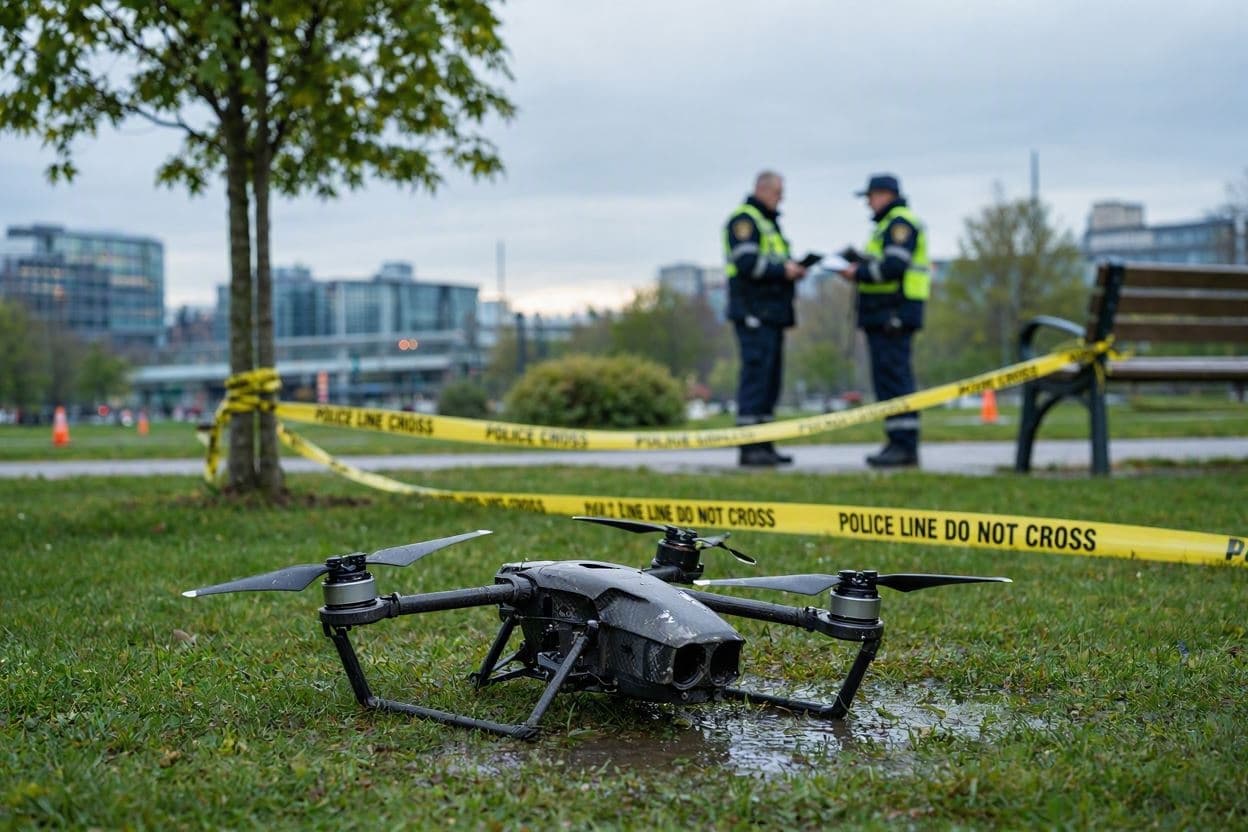
For the citizens of Leipzig, the incident has brought the abstract concept of geopolitical tension into their daily lives. The sight of emergency services cordoning off a park where a drone fell is a vivid reminder of the times we live in. Community leaders are working to reassure residents, but the sense of unease lingers. It is a personal impact of a global struggle, felt in the heart of a historic German city.
German authorities continue to investigate the origin and intent of the drone, with results expected to influence future policy decisions. Meanwhile, diplomatic channels remain open but tense, as both nations navigate the complexities of a relationship defined by distrust and strategic competition.
AI Image Disclaimer: Please note that any accompanying illustrations for this article are AI-generated and intended for representational purposes only.
Sources: Reuters Deutsche Welle (DW) The Guardian BBC News
Published by Banx Network. This article is part of the Banx decentralized media programme, powered by the BXE token on the XRP Ledger.