
Key Highlights
- Incident:A shooting in Albany Park injured a SWAT officer and three others.
- Response:The situation escalated from a domestic disturbance call.
- Community Impact:Residents express shock and concern over safety.
In a troubling incident that has shaken the Albany Park neighborhood of Chicago, a domestic disturbance escalated into a violent shootout, resulting in injuries to a SWAT officer and three other individuals. This event serves as a stark reminder of the unpredictable nature of domestic conflicts and the inherent risks faced by first responders. The shooting not only highlights the immediate dangers of such situations but also raises broader questions about community safety and the support systems in place to address domestic violence.
The incident unfolded when police responded to a domestic disturbance call, a type of situation that often carries significant risks. As SWAT teams arrived on the scene, gunfire erupted, injuring a member of the specialized tactical unit along with three civilians. The rapid response from medical personnel and fellow officers likely prevented further casualties, but the emotional and psychological scars left by the violence will linger in the community.
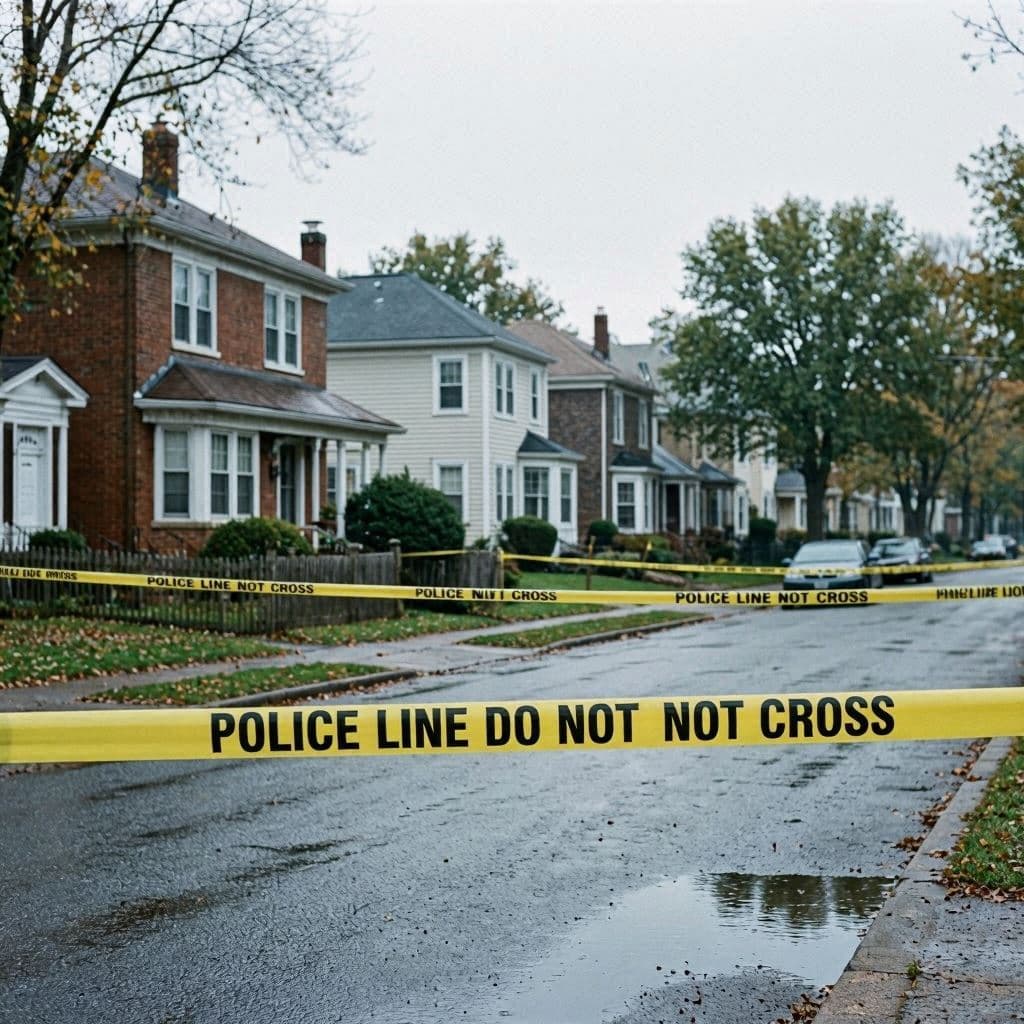
For residents of Albany Park, the heavy police presence and the sight of emergency vehicles are unsettling reminders of the violence that can erupt in their neighborhood. Witnesses reported feelings of shock and anxiety as they processed the aftermath of the shooting. Community leaders have called for calm, urging residents to allow investigators to conduct their work without interference. This moment of crisis has prompted calls for solidarity and mutual support among neighbors.
As the investigation continues, the identity of the shooter and the specifics of the domestic dispute remain unclear. Domestic violence is a complex issue that often remains hidden until it erupts into public view. This incident underscores the critical role of law enforcement in intervening in such high-stakes situations, as well as the need for comprehensive social services to address the root causes of domestic conflicts before they escalate into violence.
The injury of a SWAT officer is a significant blow to the police department, which relies on these specially trained officers to handle high-risk scenarios. The incident is likely to prompt internal reviews of tactics and safety protocols, as the department seeks to learn from this experience to better protect both officers and the public. The camaraderie among officers is evident as they rally around their injured colleague, emphasizing the brotherhood and sisterhood that exists within the force.
Public sentiment following police-involved shootings is often mixed. While many express gratitude for the officers' bravery, others raise concerns about the use of force and the tactics employed. These discussions are vital for ensuring accountability within the police force, but they can also deepen divisions within the community. Finding common ground in the shared desire for safety and justice is essential, requiring open dialogue and empathy from all sides.
The road to recovery for the victims will be long and challenging. Beyond physical healing, the psychological trauma experienced by victims, witnesses, and responders must be addressed. Access to mental health resources and community support is crucial in this healing process. It is a collective effort that requires patience and compassion from all community members, reminding us of our shared humanity.
As the investigation unfolds, transparency from authorities will be key to maintaining public trust. The community is watching closely, hoping for answers and accountability. This situation tests the system's ability to deliver justice and closure, paving the way for careful inquiry and respect for all affected.
In conclusion, the shooting in Albany Park is a tragic event that leaves deep marks on the community. It honors the bravery of first responders while highlighting the dangers of domestic violence. As we seek understanding and healing, the hope is that such incidents will lead to stronger support systems and safer neighborhoods for all.
Published by Banx Network. This article is part of the Banx decentralized media programme, powered by the BXE token on the XRP Ledger.



