In the muted grey of the North Sea dawn, invisible machines glide beneath the waves — silent watchers in the deep, tracing currents and cables, listening to the hush of the ocean floor. Soon, those watchers won’t just be experiments or prototypes. They will become instruments of national security. Two European governments have quietly purchased underwater drones from a German manufacturer — a sign that the deep seas, like the skies above, are becoming frontlines in a shifting defence landscape.
The purchase marks the first confirmed sale of the manufacturer’s mid-sized autonomous underwater drone, known as the Greyshark drone, built by European defence firm Euroatlas. According to the company’s CEO, the contracts — between two unnamed European defence ministries — total more than €100 million.
What does this underwater drone bring to modern naval strategy? The Greyshark is designed for “special, non-weaponized military applications.” These include monitoring critical undersea infrastructure such as cables, tracking submarine activity, and detecting mines — tasks that require stealth, endurance, and precision beyond human capacity.
Technically, the Greyshark can remain submerged up to 5.5 days, enabling extended missions beneath the surface. Euroatlas says it is already working on a future version expected to stay underwater for as long as 16 weeks.
Observers interpret the purchase as part of a broader shift: European states, increasingly concerned by perceived threats under the sea — whether from adversary submarines, sabotage of undersea cables, or maritime mines — are doubling down on unmanned systems. The deep ocean, once relegated to passive detection and sonar sweeps, is now becoming a domain of active surveillance and automated defence.
Yet the move raises deep questions. Undersea drones — expensive, technically demanding, and stealthy — blur the lines between passive monitoring and active presence. Who decides when such drones are deployed, and under what rules? As the silent watchers slip beneath the waves, the seas may hold secrets not just of geology or migration, but of shifting power and unseen deterrence.
In that expanding silence under the water, nations are placing new bets — on machines, autonomy, and the unseen. And as these drones begin their quiet patrols, the sea may cease to be an undefined frontier and become a contested domain.
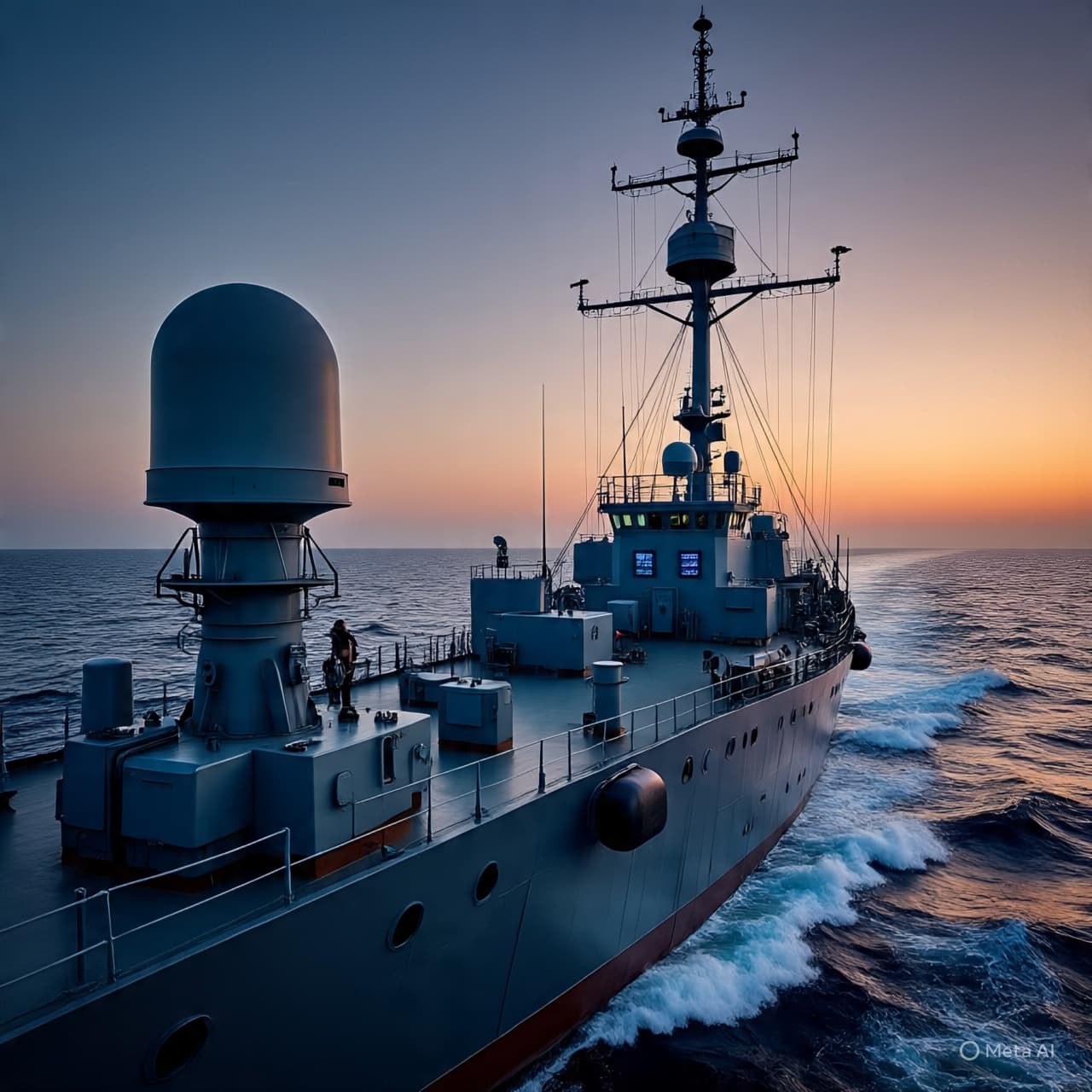
AI Image Disclaimer Images are AI-generated illustrations and are meant for conceptual representation only, not real photographs.
Sources (media names) Reuters The Star (Malaysia) The Straits Times
Published by Banx Network. This article is part of the Banx decentralized media programme, powered by the BXE token on the XRP Ledger.