
Full Article
In the quiet language of legal petitions, distance can feel immense. The halls of the International Criminal Court in The Hague stand far from the crowded streets of Manila, yet the currents between them remain steady. This week, the International Coalition for Human Rights in the Philippines renewed its call for arrest warrants against Senators Bong Go and Ronald dela Rosa in connection with the court’s ongoing examination of the drug war under former president Rodrigo Duterte.
The ICC’s inquiry, centered on allegations of crimes against humanity tied to anti-drug operations carried out during Duterte’s tenure as mayor of Davao City and later as president, has long stirred debate at home and abroad. Though the Philippines formally withdrew from the Rome Statute in 2019, the court has maintained jurisdiction over alleged crimes committed while the country was still a member.
ICHRP’s latest push argues that individuals who played key roles during the anti-drug campaign should be included in the court’s scrutiny. The group contends that accountability must extend beyond a single officeholder, framing the drug war not as an isolated policy but as a system shaped by multiple actors. Their appeal seeks to expand the scope of potential responsibility within the ICC’s proceedings.
Both Go and Dela Rosa have repeatedly denied wrongdoing. Dela Rosa, who previously served as chief of the Philippine National Police during the height of the anti-drug drive, has publicly defended the campaign as a lawful effort to combat narcotics. Go, a longtime aide to Duterte before entering the Senate, has also rejected claims of involvement in alleged abuses.
The Philippine government has consistently maintained that domestic institutions are capable of addressing any allegations, underscoring its position that the ICC lacks present jurisdiction. Yet the court’s pre-trial processes continue to unfold in The Hague, where procedural steps move deliberately, measured in filings and judicial determinations rather than political timetables.
For families of victims and supporters of the investigation, the ICC represents a distant but persistent avenue for redress. For critics, it symbolizes external interference in sovereign affairs. Between those views lies a legal landscape still being shaped—where questions of command responsibility, cooperation, and enforcement intersect with national politics.
As petitions circulate and statements are issued, the case remains suspended between continents and convictions. The language of warrants, if they come, will carry both symbolic and practical weight. Until then, the proceedings continue in careful increments, reminding all parties that in international justice, time moves slowly—but it does move.
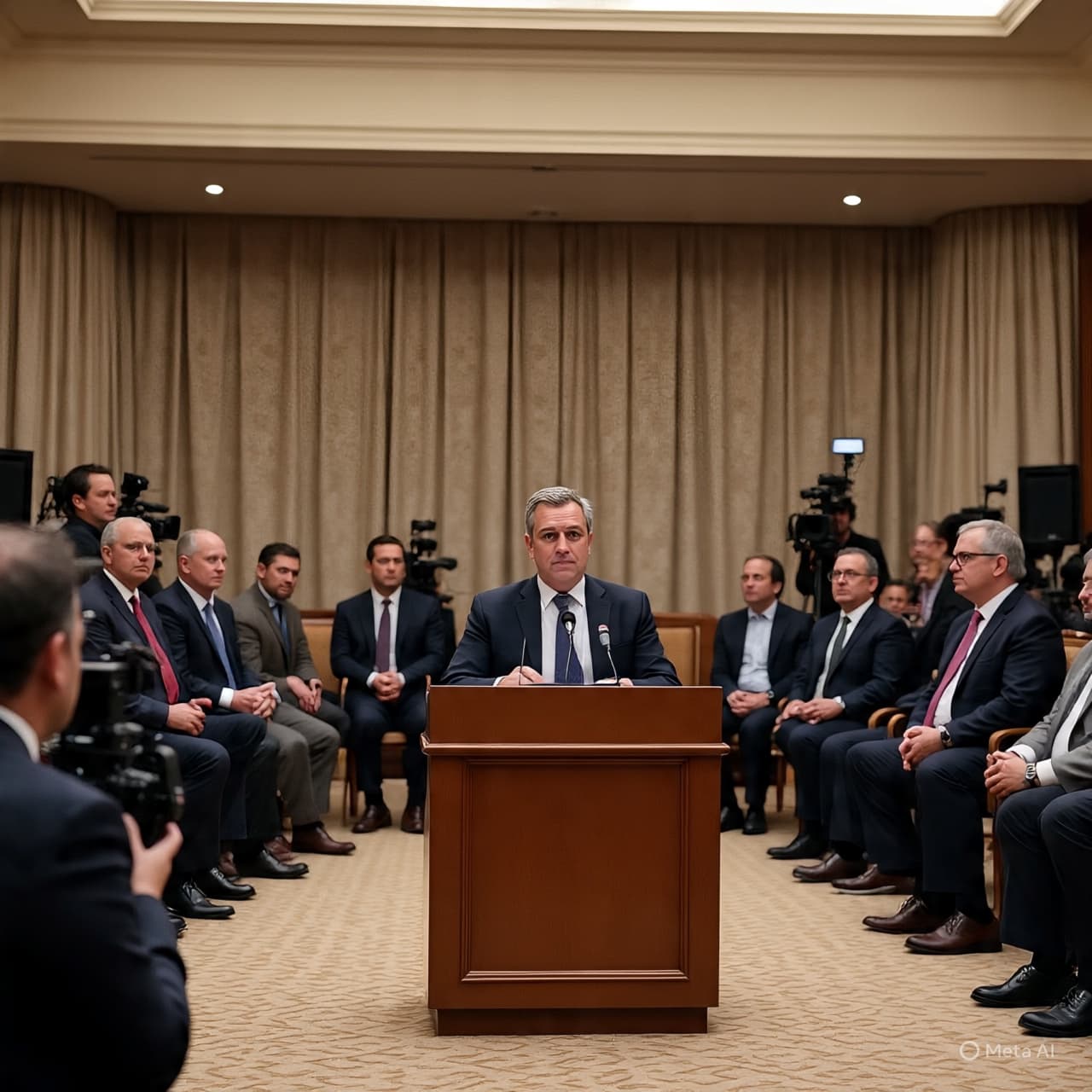
AI Image Disclaimer
Illustrations were created using AI tools and do not depict actual events or photographs.
Sources
International Criminal Court International Coalition for Human Rights in the Philippines Philippine Daily Inquirer GMA News
Published by Banx Network. This article is part of the Banx decentralized media programme, powered by the BXE token on the XRP Ledger.


