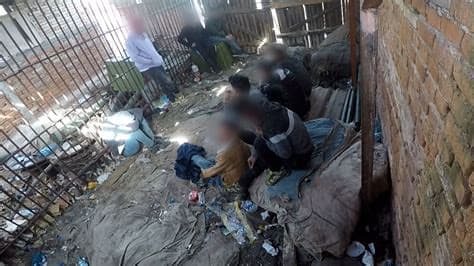
In the soft light before dawn, hundreds of thousands of lives unfold in kitchens, living rooms and shared apartments across the United States — stories threaded with hope, ambition, family ties, and the quiet yearning for belonging. For many immigrants, the journey toward a stable life in America has long been shaped by legal avenues: visas, temporary protections, asylum hearings, parole programs and the promise that, through patience and paperwork, they might build a future here. But in recent months, those legal pathways have grown narrower, like a river channeling away from fertile ground.
Since the start of President Trump’s current term, a series of policy decisions and administrative actions has markedly reduced the number of legal options available to immigrants. Programs that once offered the possibility of lawful stay — such as CBP One, which allowed people to seek asylum appointments from within the U.S. — have been terminated, leaving many who entered under its protections in limbo or facing deportation. Causes once seen as gateways to stability — work permits, temporary protected status and family reunification paroles — are being unwound, affecting well over a million people who once held lawful status.
For those living under Temporary Protected Status (TPS), which had shielded people from deportation due to conflict or disaster in their home countries, the end of designations for several nations has meant the loss of work rights and legal presence. Prosecuted through administrative decisions that assert changed conditions abroad, these terminations strike at the heart of why such programs were created: to offer safe harbor when return is unsafe.
The shift is not limited to older programs. Movements to cancel or pause other legal avenues — from certain family-based permissions to diversity visa lotteries — signal a broader recalibration of how the U.S. approaches legal immigration. Even routine visas are being revoked at higher rates, and new incentives encourage voluntary departure, a gesture framed by officials as compassionate but carrying deep uncertainty for those grappling with disrupted lives.
In immigration courts across the nation, lawyers and advocates find themselves navigating a landscape where longstanding protections have been curtailed. In some cases, administrations are asking judges to dismiss active asylum claims before they are fully heard, pushing applicants to seek protections elsewhere. These legal shifts reflect a broader policy philosophy that positions immigration through a lens of enforcement and restriction, reshaping not just who can enter or stay, but under what conditions they may do so.
Yet behind the policy headlines are the daily realities of families making plans and adjusting expectations. For many, the narrowing of legal options means grappling with hard choices: whether to wait in limbo, pursue unclear alternatives, or return to countries they once fled. In living rooms and community centers, advocates help prepare paperwork, answer questions and offer reassurance against the backdrop of change. It is in these moments — personal, quiet, and human — that the impact of broad immigration policy truly takes shape.
When the law changes, it touches real lives: the parent who dreams of watching a child graduate, the young graduate seeking work authorization, the couple with visas tied to family ties. As the legal map for immigrants becomes less forgiving, the contours of American identity are quietly redrawn — one life at a time.
AI Image Disclaimer “Images in this article are AI-generated illustrations, meant for concept only.”
Sources WUFT / KPBS / WYPR / WLRN reporting on reduced legal pathways for immigrants under the Trump administration. Reuters report on efforts to cancel thousands of asylum cases. The Guardian reporting on record ICE detentions and rollback of protections. Local news reporting on DHS self-deportation incentives.
Published by Banx Network. This article is part of the Banx decentralized media programme, powered by the BXE token on the XRP Ledger.