The sun rises over Washington, painting the Potomac in muted gold, as the city wakes to the rhythm of politics and policy. In offices and think tanks, discussions echo through corridors, carrying the weight of global ripples. Across continents, from the oil terminals of the Middle East to bustling markets in the United States, anticipation intertwines with relief: the prospect of a shift in American strategy toward Iran appears, in some quarters, imminent. Republican Senator JD Vance has voiced that U.S. forces will be out of Iran "soon," linking this anticipated withdrawal to a broader expectation: easing fuel prices for a world strained by volatile energy markets.
Even as statements circulate in headlines, the undercurrents of geopolitics persist in subtle forms. For policymakers, the timing of military disengagement balances strategic interests with domestic pressures. For citizens, both near and far from conflict zones, these pronouncements ripple into tangible concerns: gasoline prices at local pumps, the cost of heating homes, and the stability of supply chains. Economists, analysts, and traders parse the statement, tracing its implications across futures markets and regional alliances, while the quiet hope for reprieve from rising energy costs takes root among households and businesses alike.
The human texture of these shifts is rarely captured in figures alone. Families adjusting budgets, transport companies recalculating routes, and small vendors gauging the price of essentials experience the intersection of global decisions and daily life. The anticipation of withdrawal, combined with potential reductions in fuel costs, forms a narrative of cautious optimism: a pause in conflict may carry immediate relief and the subtle promise of renewed stability. Yet, the path remains uncertain, measured by the careful choreography of international diplomacy, economic responses, and public expectations.
As dusk settles over the Potomac and the world watches with watchful patience, the contours of change emerge slowly. JD Vance’s forecast, linking military withdrawal and energy markets, underscores a truth often overlooked: global events do not move in isolation. They pulse through economies, societies, and the rhythms of daily life, reminding all that the quiet shifts behind headlines often hold the most immediate resonance. In this delicate balance, hope mingles with pragmatism, casting shadows and light across a world waiting for both calm and clarity.
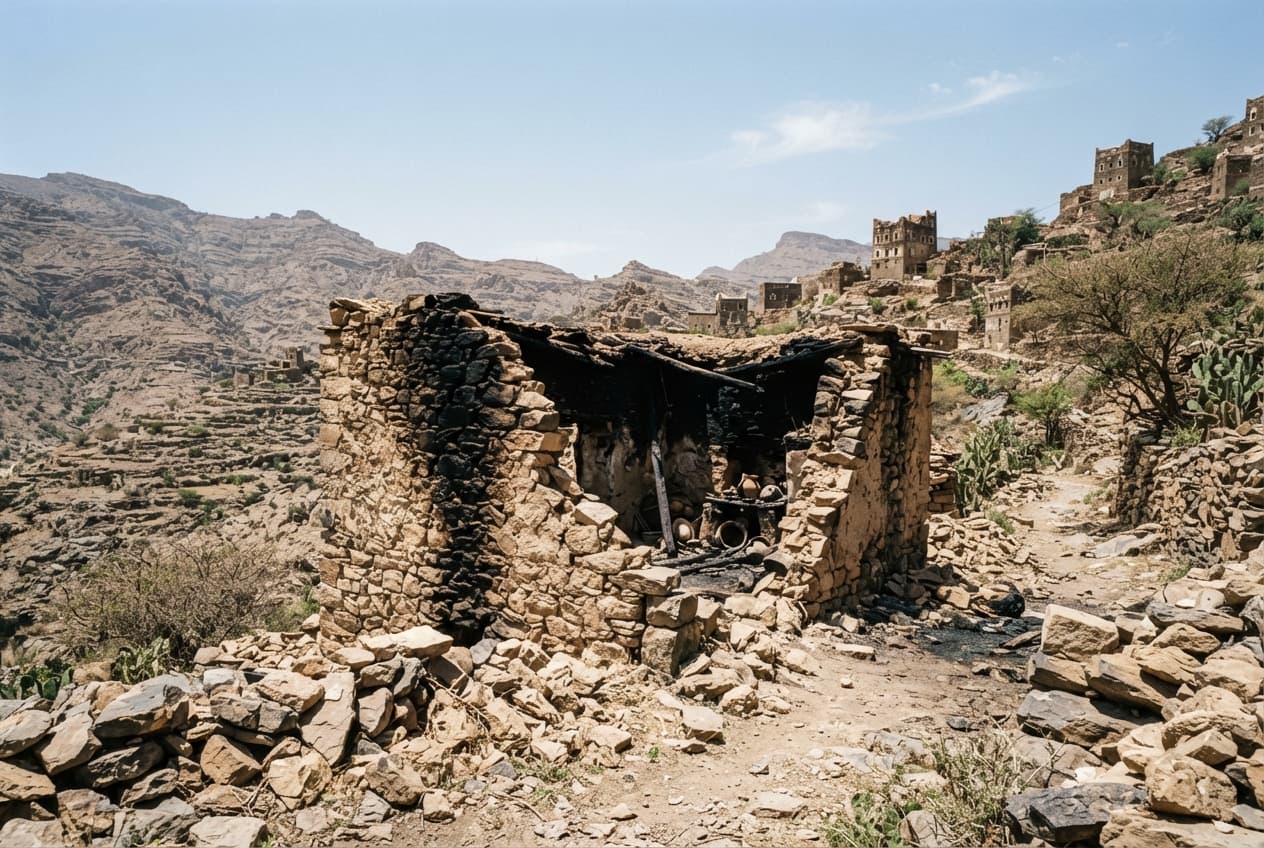
AI Image Disclaimer Illustrations were created using AI tools and are not real photographs.
Sources Reuters Bloomberg The Hill CNN Financial Times
Published by Banx Network. This article is part of the Banx decentralized media programme, powered by the BXE token on the XRP Ledger.