
Key Highlights
- Incident:Priceless Egyptian artefacts stolen from a Queensland museum.
- Arrest:A suspect has been apprehended in connection with the theft.
- Investigation:Authorities emphasize the importance of recovering cultural heritage.
In a shocking incident that has raised concerns about museum security, a Queensland museum was the target of a calculated overnight theft, resulting in the loss of several priceless Egyptian artefacts. The theft, which occurred under the cover of darkness, has drawn significant media attention and prompted a swift response from law enforcement and cultural heritage officials.
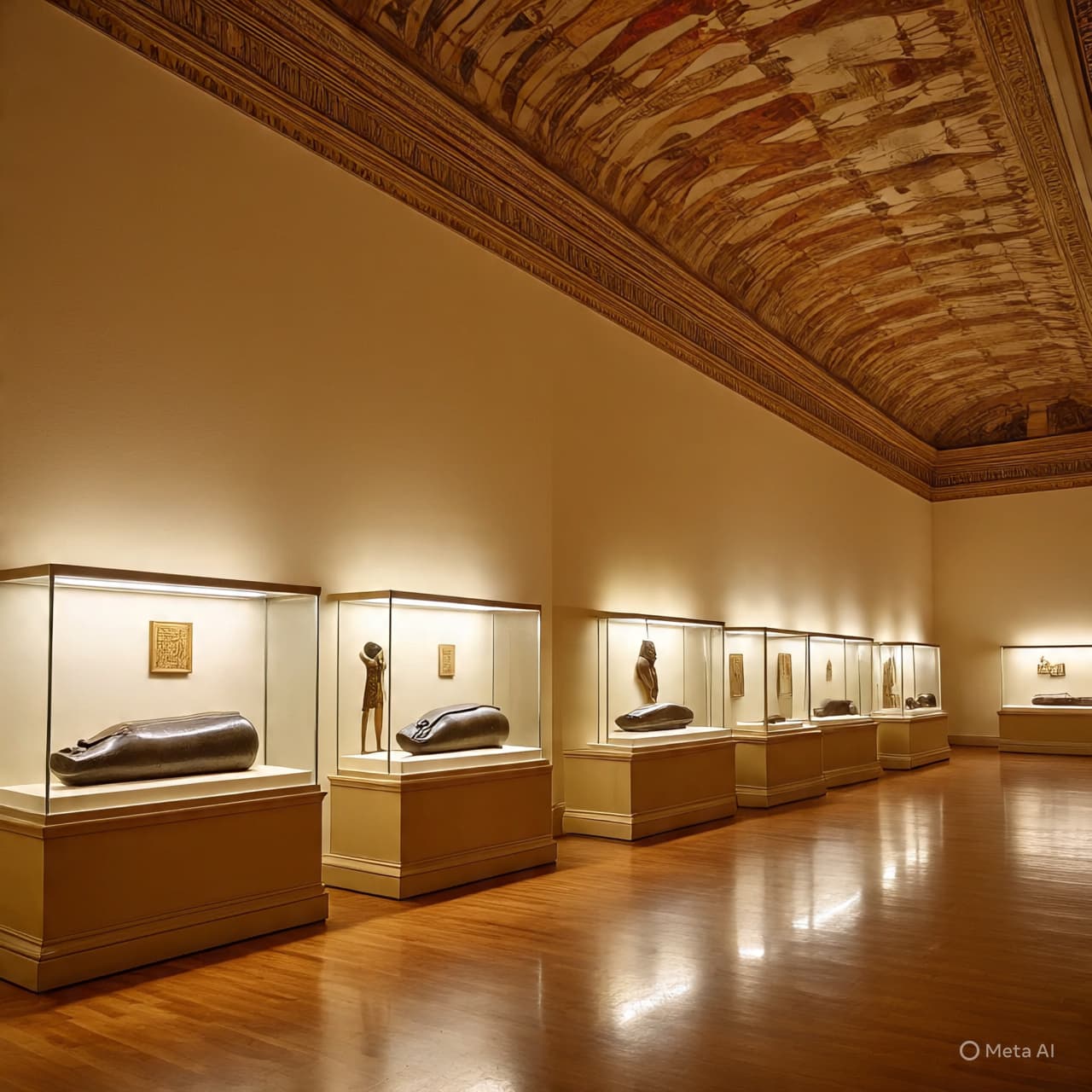
According to reports from ABC News and The Courier-Mail, police allege that a man entered the museum after hours and deliberately selected items of considerable cultural and financial value from the Egyptian collection. The stolen artefacts, which include small statues and ceremonial objects, are not only significant for their monetary worth but also for their historical narratives that connect Australia to ancient civilizations.
The investigation into the theft has been thorough, involving forensic analysis and a review of security footage. Authorities have confirmed the arrest of a suspect described as a “cat burglar,” who is expected to face charges related to unlawful entry and theft. While the police have not disclosed the full inventory of recovered items, they have emphasized the importance of assessing the provenance and condition of any artefacts that may be returned.
The theft has sparked a broader conversation about the security measures in place at museums, particularly those housing valuable antiquities. Despite the presence of alarms and surveillance systems, the incident highlights the vulnerabilities that can exist even in controlled environments. Cultural heritage specialists have been called upon to assist in verifying the authenticity of any recovered items, ensuring that they are returned to their rightful place.
This incident also underscores the ongoing issue of the illicit trade in antiquities, which poses a significant threat to cultural heritage worldwide. Once artefacts are removed from institutional custody, tracing their origins becomes increasingly difficult, raising concerns about their future. Queensland authorities have reiterated the importance of swift investigative work in apprehending suspects and recovering stolen items, emphasizing their commitment to preserving cultural heritage.
As the legal proceedings unfold, the irony of such crimes involving ancient objects becomes apparent. Artefacts that have survived the test of time can be disrupted by a single night’s intrusion, contrasting sharply with the immediacy of modern legal processes. Museums serve as custodians of history, bridging the gap between the present and the past, and when that continuity is disrupted, it serves as a reminder of their vital role in society.
In the aftermath of the theft, Queensland authorities remain focused on the recovery and preservation of the stolen artefacts. The investigation is ongoing, and officials have stated that all allegations must be thoroughly tested through the judicial process. As the case progresses, the hope remains that the stolen items will be returned to their rightful place, allowing them to continue their silent storytelling for generations to come.
In conclusion, the theft of these Egyptian artefacts not only represents a loss for the museum but also for the cultural heritage of humanity. The enduring nature of these objects, crafted thousands of years ago, serves as a testament to the importance of safeguarding our shared history.
Published by Banx Network. This article is part of the Banx decentralized media programme, powered by the BXE token on the XRP Ledger.



