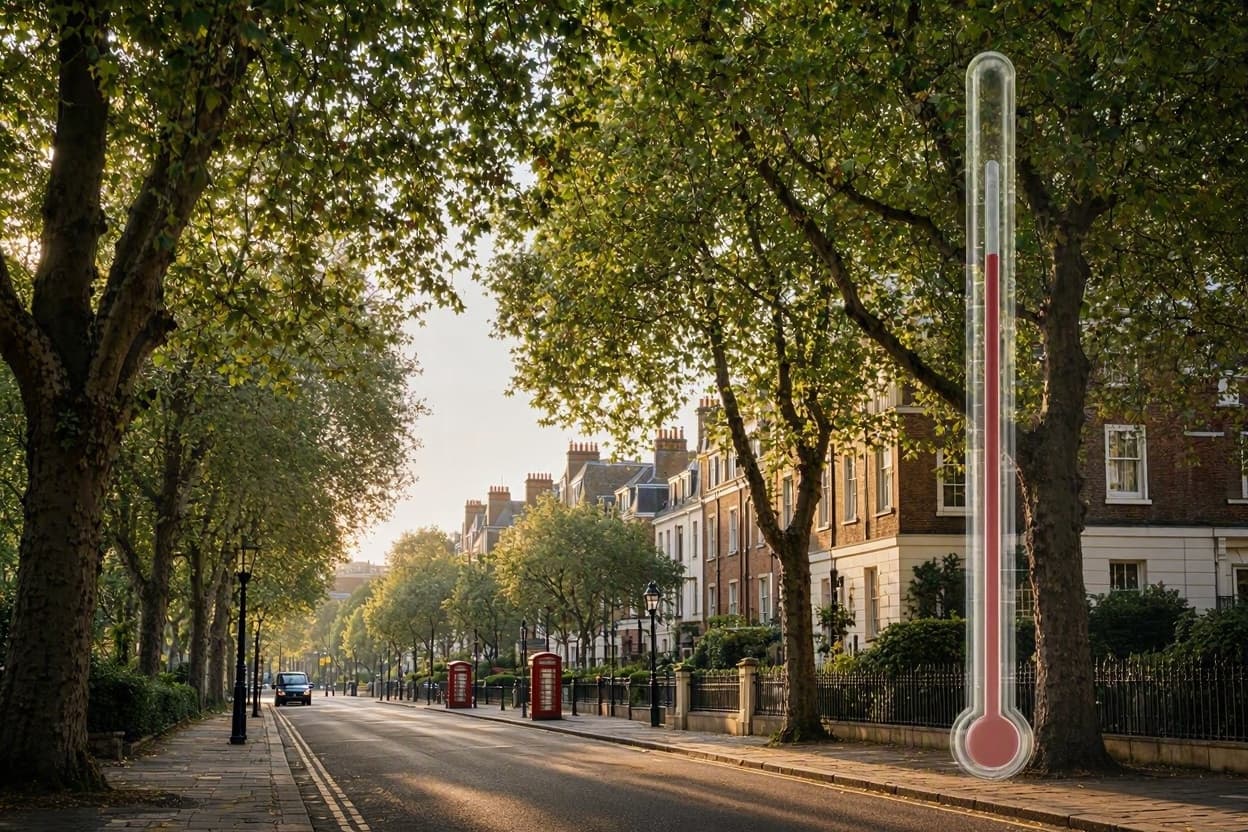
London has long been celebrated as a city in a forest, where the rustle of leaves provides a soothing counterpoint to the urban hum. From the ancient oaks of Richmond Park to the plane trees lining its grand squares, the capital’s green canopy is a source of pride and respite. Yet, beneath this verdant facade lies a growing vulnerability. Recent research indicates that more than 70 percent of London’s trees are at risk from the changing climate, a sobering statistic that challenges the city’s identity and underscores the urgent need for adaptive conservation strategies.
The study, conducted by experts from Kew Gardens and the Greater London Authority, projects that by the end of the century, the majority of the city’s current tree species may struggle to survive or thrive. Rising temperatures, prolonged droughts, and increased frequency of extreme weather events are creating conditions that many native and traditional species are not equipped to handle. The iconic London plane, known for its resilience, may find itself increasingly stressed, while other species face even greater threats.
The implications of this potential loss extend beyond aesthetics. Trees play a critical role in mitigating the urban heat island effect, absorbing carbon dioxide, and managing stormwater runoff. They provide habitat for wildlife and contribute significantly to the mental well-being of residents. A significant reduction in canopy cover could exacerbate heatwaves, worsen air quality, and diminish the overall livability of the city. The economic value of these ecosystem services is substantial, making their preservation a matter of public interest.
In response, arborists and urban planners are beginning to rethink the composition of London’s urban forest. The focus is shifting toward "climate-ready" species—trees that are native to warmer, drier regions such as the Mediterranean or parts of Asia. Species like the hackberry, nettle tree, and certain types of oak are being considered for their ability to withstand higher temperatures and lower water availability. This diversification is seen as key to building a resilient urban ecosystem.
However, transitioning to new species is not without challenges. It requires careful planning to ensure that new plantings do not become invasive or disrupt local biodiversity. Public acceptance also plays a role, as residents may be attached to traditional species. Education and community engagement are essential to foster appreciation for the new varieties that will define London’s future landscape.
The research also highlights the importance of soil health and water management. Improving soil structure and ensuring adequate moisture retention can help trees cope with stress. Initiatives such as permeable paving and rain gardens can support tree health while addressing urban flooding issues. These holistic approaches recognize that trees are part of a larger environmental system.
As London prepares for a warmer future, the protection of its trees becomes a priority for policymakers and citizens alike. The goal is not just to replace lost trees but to create a more diverse and robust urban forest that can withstand the uncertainties of climate change. This proactive stance offers hope that London can remain a green city, albeit one with a different character.
The threat to London’s trees is a clear signal of the broader impacts of climate change. By adapting our urban forests today, we can ensure that future generations continue to enjoy the shade, beauty, and benefits of a city surrounded by nature.
AI Image Disclaimer: Please note that any accompanying illustrations for this piece are AI-generated representations intended to evoke the mood of the described events.
Sources: CBC News, Chartered Foresters, Business Green, Parks for London
Published by Banx Network. This article is part of the Banx decentralized media programme, powered by the BXE token on the XRP Ledger.