Ataq, Yemen— A ballistic missile tore into a crowded military camp in Shabwa province just after dawn on October 20, killing more than 50 people and wounding over 200, according to local security officials and medics on the ground.
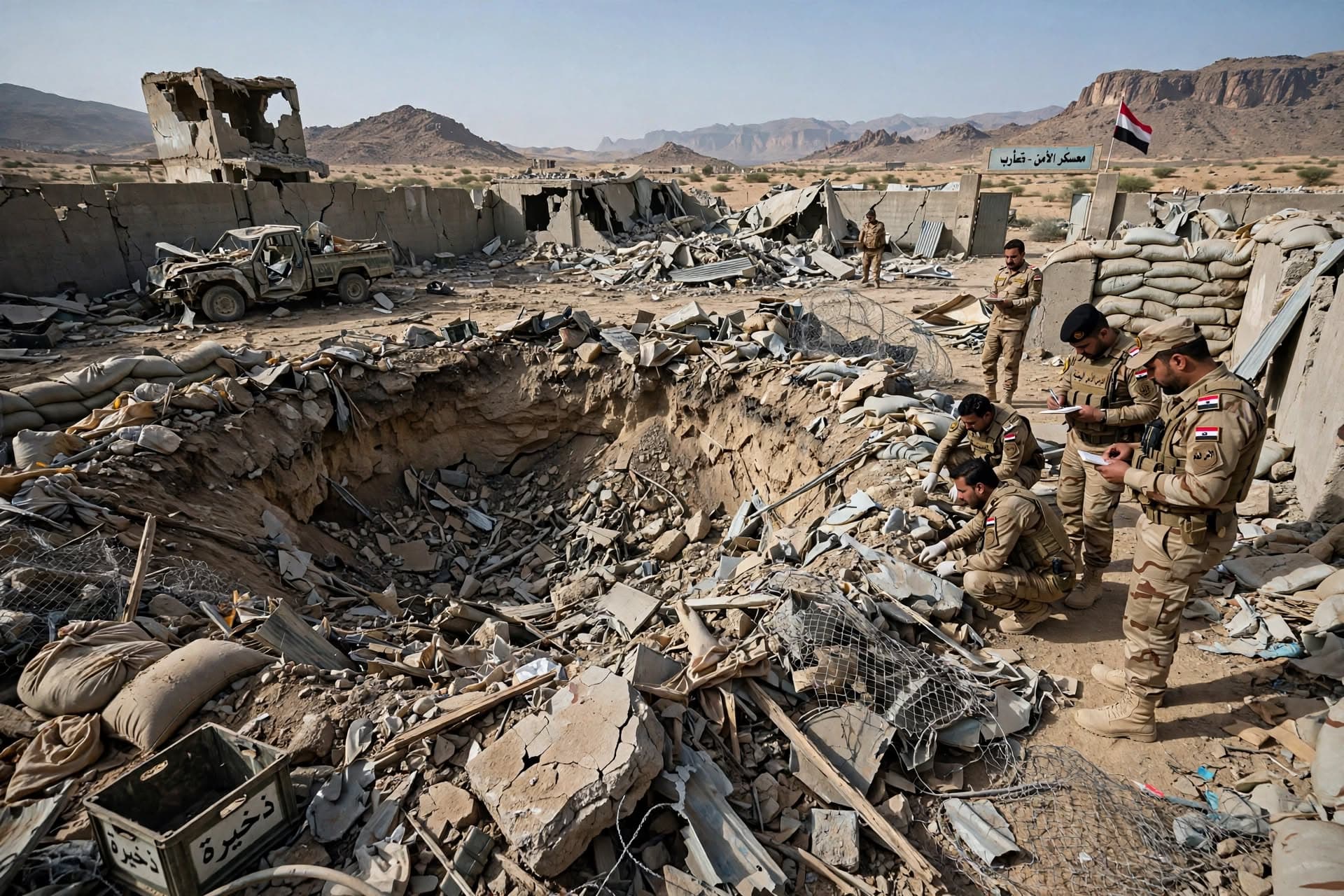
The camp was at full strength. Recruits had gathered for morning roll call when the projectile hit. Witnesses described a single, deafening blast followed by fire. Buildings used for barracks and ammunition storage collapsed.
Officials in Ataq said the death toll climbed through the morning as rescue teams pulled bodies from the rubble. "We are still counting," one senior provincial security officer said. "The number of wounded is beyond what our hospitals can handle." Ataq General Hospital issued an urgent call for blood donations. Corridors filled with stretchers.
The strike landed in a region that has seen a sharp escalation in recent weeks. Shabwa sits on a fault line between rival forces and has been used as a staging ground for operations in the south. Military sources said air defenses did not activate. No intercept was attempted.
The type of missile has not been formally identified. Two officers at the camp said it was a long-range ballistic variant. Its trajectory, they said, came from the north. No group has publicly claimed responsibility by midday. A spokesperson for the Yemeni defense ministry called it a "cowardly and calculated attack on our soldiers."
The wounded were spread across three facilities. Doctors in Ataq said many suffered shrapnel wounds and severe burns. Several are in critical condition. Medical staff said they ran out of beds. Some soldiers were transported by pickup trucks because ambulances were overwhelmed.
The attack raises hard questions about camp security. The facility is large, open, and close to civilian roads. Troops have complained for months about lack of hardened shelters. A former commander who served in Shabwa said, "You put 400 men in a soft compound and you leave them exposed. This was predictable."
Government forces sealed the area. Investigators and explosive ordnance teams moved in to examine the crater and collect fragments. The camp remains closed. Satellite phones were confiscated from soldiers still inside, an officer said, to prevent leaks.
Funerals began before noon. Trucks carried bodies wrapped in blankets to nearby villages. The defense ministry said a full casualty list would be released after families were notified. No timeline was given for retaliation or for securing the province.
Published by Banx Network. This article is part of the Banx decentralized media programme, powered by the BXE token on the XRP Ledger.